
How and why Hawaii became American
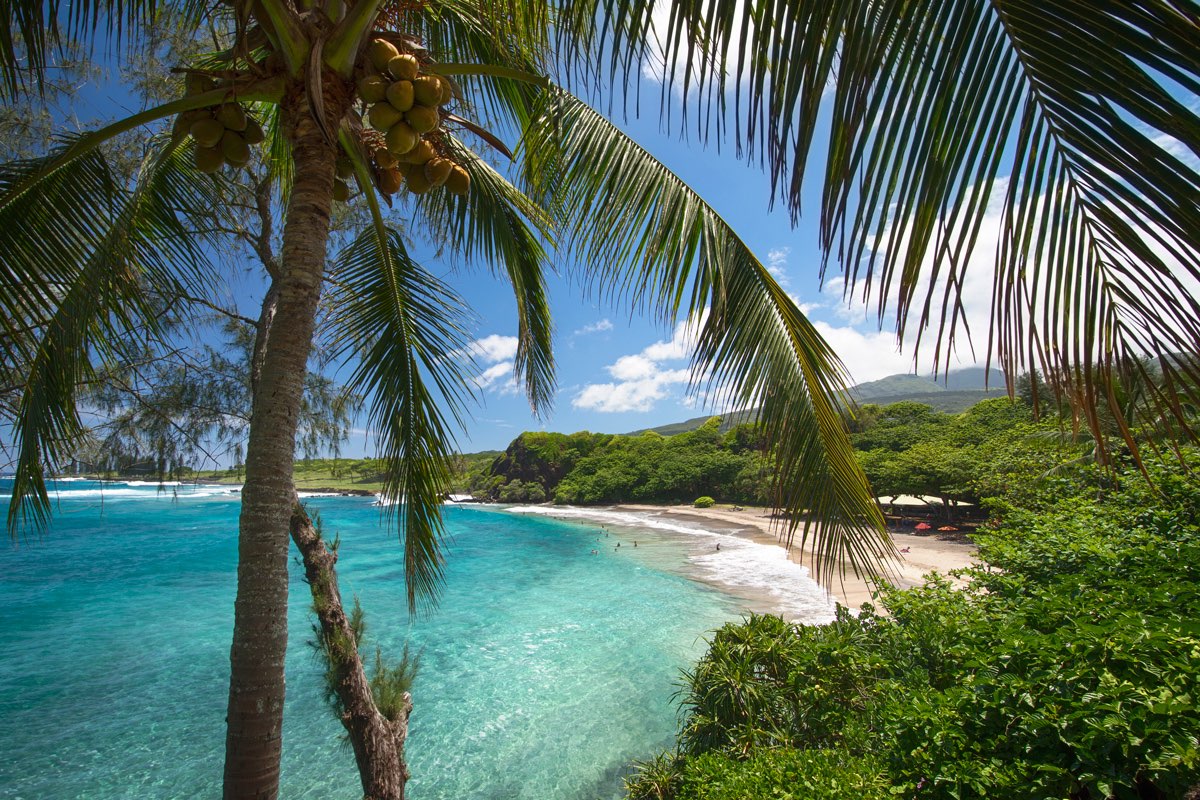
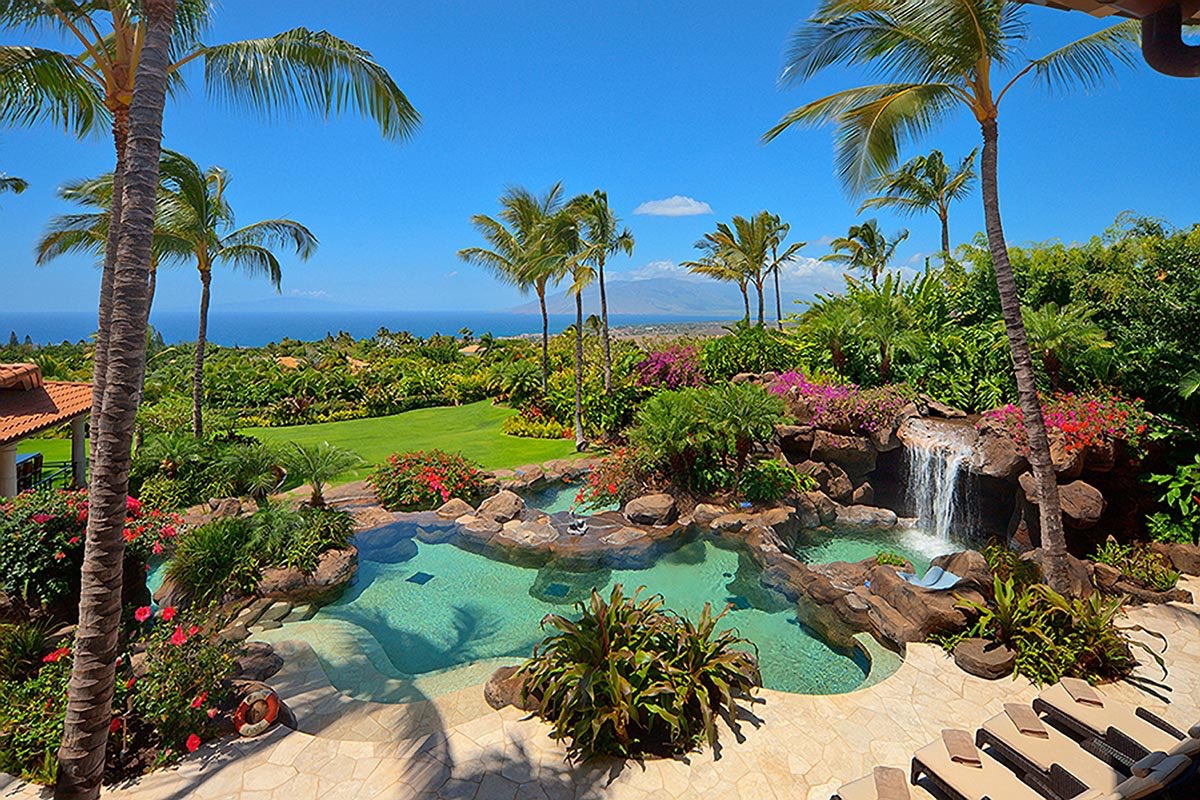
Today, Hawaii feels like a natural part of the American dream: ocean, volcanoes, surfing, military bases, luxury resorts, honeymoons and postcards framed by palm trees. But behind this familiar image lies a far more complex history. In the late nineteenth century, Hawaii was not an American paradise, but an independent kingdom with its own dynasty, diplomacy, constitution, army, culture and attempt to preserve sovereignty in a world where major powers were increasingly dividing the Pacific into spheres of influence.
In 1959, Hawaii became the fiftieth state of the United States. But the road to statehood took not a few years, but almost a century: from the unification of the islands under Kamehameha I to pressure from American business interests, the Bayonet Constitution, the overthrow of Queen Liliuokalani, annexation, territorial status and finally statehood. This is not only a story of geography and politics. It is a story of sugar, missionaries, military strategy, local elites, Native Hawaiians and the high price a small island nation paid for its location in the centre of the Pacific.
A kingdom in the middle of the ocean
Before the arrival of Europeans, the Hawaiian Islands were inhabited by Polynesians who had created a sophisticated society with its own hierarchies, religious rules, land systems, military culture and traditions of authority. The archipelago became widely known to the European world after Captain James Cook’s expedition in 1778. It was in Hawaii that Cook was killed in 1779 after a conflict with local people.
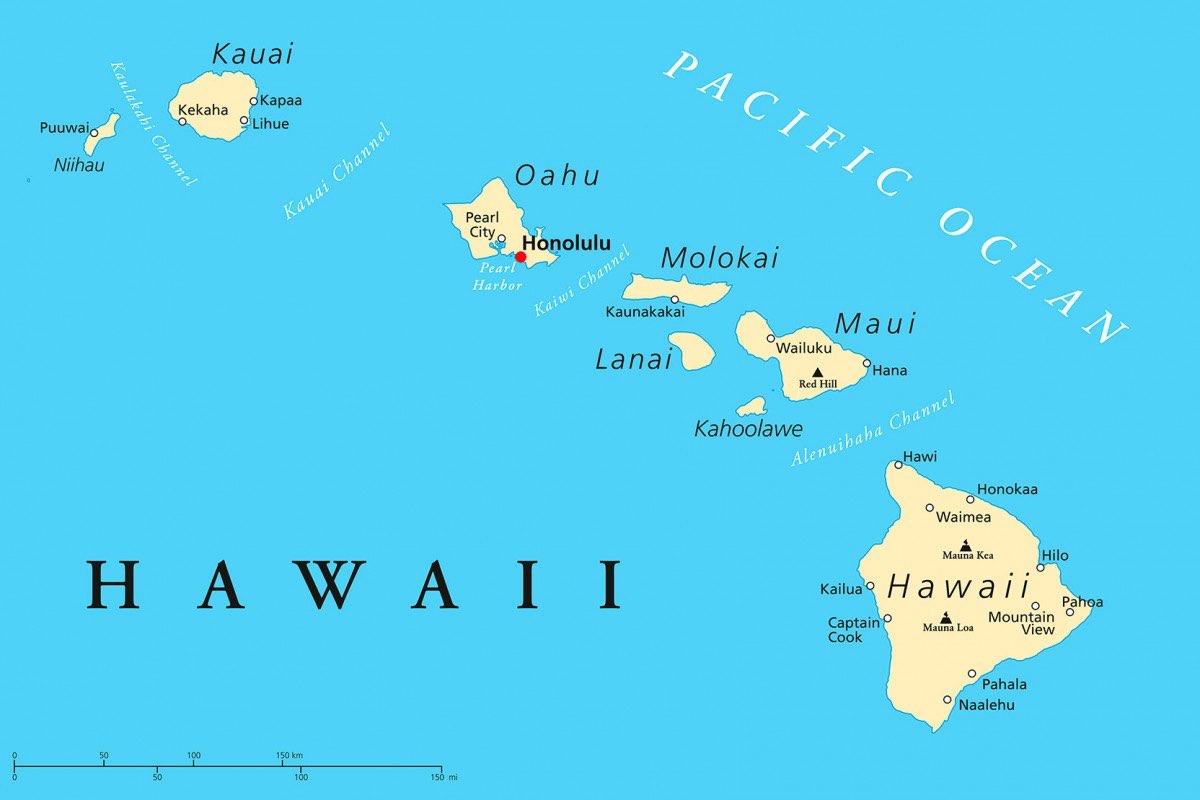
By the end of the eighteenth century, the islands were not yet a single state. Chiefs competed for power, and it was in this struggle that Kamehameha I rose to prominence. He was able to use not only traditional military strength, but also the new opportunities brought by the outside world: firearms, European ships, foreign advisers and trade connections. In 1795, Kamehameha won decisive victories on Maui and Oahu, and later brought Kauai under his authority through political pressure and agreement. The unified Hawaiian Kingdom was born.
Kamehameha I is often called the “Napoleon of the Pacific,” but his importance lies not only in military victory. He laid the foundations of a centralized state, strengthened trade, reinforced the monarchy and managed to preserve the political independence of the archipelago at a time when many other Pacific islands were gradually falling under the influence of European empires.
Modernization and Christianization
After the death of Kamehameha I in 1819, power passed to his son Liholiho, known as Kamehameha II. His reign was brief, but this period marked a radical break with parts of the traditional order. Enormous influence was held by Queen Regent Kaahumanu, the widow of Kamehameha I. She supported the abolition of the old kapu system - a complex framework of religious and social prohibitions that had regulated Hawaiian life.
Soon, the influence of Protestant missionaries from New England increased across the islands. They brought literacy, schools, Christian morality and new ideas about family, authority, property and government. For Hawaii, this was a double-edged process. On one hand, missionaries helped spread literacy and institutional development. On the other, they brought Western norms that gradually displaced many elements of traditional Hawaiian culture.
Under Kamehameha III, Hawaii became a constitutional monarchy. In 1840, the first constitution was adopted. Laws, ministries, courts, diplomatic relations and an increasingly formalized system of property appeared. This was a state attempting to speak to the West in a language the West understood - through constitutions, treaties, trade and international recognition.
Sugar, land and American influence
In the second half of the nineteenth century, sugar became the main economic engine of Hawaii. Plantations required land, capital, labour and access to markets. All of this increased the role of white settlers, especially Americans, descendants of missionaries and entrepreneurs who gradually took increasingly important positions in the kingdom’s economy and politics.
For the United States, Hawaii became increasingly valuable. First, it was a convenient commercial and maritime hub in the Pacific. Second, Hawaiian sugar mattered to the American market. Third, as American strategic interests in the Pacific grew, the archipelago was seen as a potential base between North America and Asia.
Hawaiian monarchs tried to manoeuvre between outside powers. Kamehameha IV feared excessive American influence and sought to balance it through ties with Britain. Kamehameha V strengthened monarchical authority and continued modernization. But the internal balance was already shifting: economic power was increasingly concentrated in the hands of a plantation elite closely connected to the United States.
Kalakaua and the dream of a stronger Polynesia
After the death of Kamehameha V, the dynastic line ended, and monarchs were elected by the legislature. In 1874, David Kalakaua became king - a vivid, controversial and deeply ambitious figure. He understood that Hawaii could not survive as a small state if it merely reacted passively to the pressure of great powers.
Kalakaua supported Hawaiian culture, revived the public performance of hula, built Iolani Palace and sought to strengthen the kingdom’s international prestige. He became the first monarch in history to travel around the world. During this journey, he met rulers and state leaders in different countries, trying to show that Hawaii was not a peripheral archipelago, but an independent state with its own interests.
Kalakaua also had larger plans. He dreamed of a Polynesian alliance that could unite Pacific island states and create a counterweight to colonial pressure. The idea was bold, but late: by then, the region was already in the sights of empires, and within Hawaii itself political dependence on the American economic elite was becoming stronger.
The Bayonet Constitution
The decisive turning point came in 1887. A group of influential businessmen, missionary descendants and politicians known as the Hawaiian League forced King Kalakaua to sign a new constitution under the pressure of armed force. It later became known as the Bayonet Constitution.
This document sharply limited the monarch’s authority and transferred more control to the cabinet and legislature. Even more important was the change in the voting system. New property and other restrictions strengthened the political influence of American and European residents and sharply reduced the ability of many Native Hawaiians and Asian immigrants to participate in elections. Formally, the kingdom continued to exist. In reality, power was increasingly moving into the hands of the pro-American plantation elite.
For Kalakaua, this was a political defeat. He remained king, but he no longer controlled the country as he once had. In 1891, he died in San Francisco, and his sister Liliuokalani ascended the throne.
The last queen
Liliuokalani became the first and only reigning queen of the Hawaiian Kingdom. She was educated, musical, strong-willed and fully aware that she had inherited not a stable state, but a political crisis. Her main goal was to restore real authority to the monarchy and return more political rights to Native Hawaiians.
Liliuokalani’s attempt to propose a new constitution alarmed pro-American forces. In January 1893, a group of conspirators backed by the Committee of Safety moved against the queen. U.S. Marines from the USS Boston landed in Honolulu, officially to protect American citizens and property, but their presence effectively changed the balance of power. The queen, unwilling to risk bloodshed, temporarily yielded authority, expecting that the U.S. government would restore justice.
President Grover Cleveland later recognized that the overthrow had been improper and opposed immediate annexation. But the monarchy was not restored. In 1894, the Republic of Hawaii was proclaimed, with Sanford Dole as president - a member of an influential American missionary-descended family and one of the leaders of the new regime.
From republic to annexation
Attempts by monarchists to restore Liliuokalani’s rule failed. In 1895, after an unsuccessful uprising, the former queen was arrested and confined in Iolani Palace. She was later released, but the monarchy had effectively been destroyed.
Annexation became a matter of timing and political circumstances. In 1898, against the background of the Spanish-American War, the strategic importance of the archipelago rose sharply. The United States needed a strong point in the Pacific, especially in connection with military operations and future presence in the Philippines. On July 7, 1898, the Newlands Resolution was adopted, through which the United States annexed Hawaii. In 1900, the archipelago became the Territory of Hawaii.
For the United States, this was a strategic acquisition. For many Native Hawaiians, it was the loss of an independent state. That is why the history of Hawaii’s annexation remains painful and politically sensitive. In 1993, the U.S. Congress passed the Apology Resolution, formally acknowledging the role of the United States in the overthrow of the Hawaiian Kingdom and expressing regret to Native Hawaiian people.
Why Hawaii became a state only in 1959
After annexation, Hawaii remained an American territory, not a state, for more than half a century. Its importance continued to grow, especially after the development of the Pearl Harbor naval base. Japan’s attack on Pearl Harbor on December 7, 1941, turned Hawaii into one of the central American symbols of the Second World War and definitively demonstrated the archipelago’s strategic importance.
Even so, the road to statehood was long. It was shaped by racial prejudice, questions of political balance, the remoteness of the islands, the role of the military, economic interests and Washington’s attitude toward the population of the territory. Only after the war, amid population growth, stronger American identity and political change, did the idea of making Hawaii a state gain decisive support.
In 1959, the people of Hawaii voted in a referendum in favour of statehood, and on August 21, 1959, President Dwight Eisenhower signed the proclamation admitting Hawaii to the United States as the fiftieth state.
An American paradise with a complicated memory
The history of Hawaii does not fit into the simple phrase “the islands became American.” On one hand, statehood brought full political rights as U.S. citizens, federal investment, the development of infrastructure, tourism, education and defence. Hawaii became one of the most recognizable and economically significant parts of the American space.
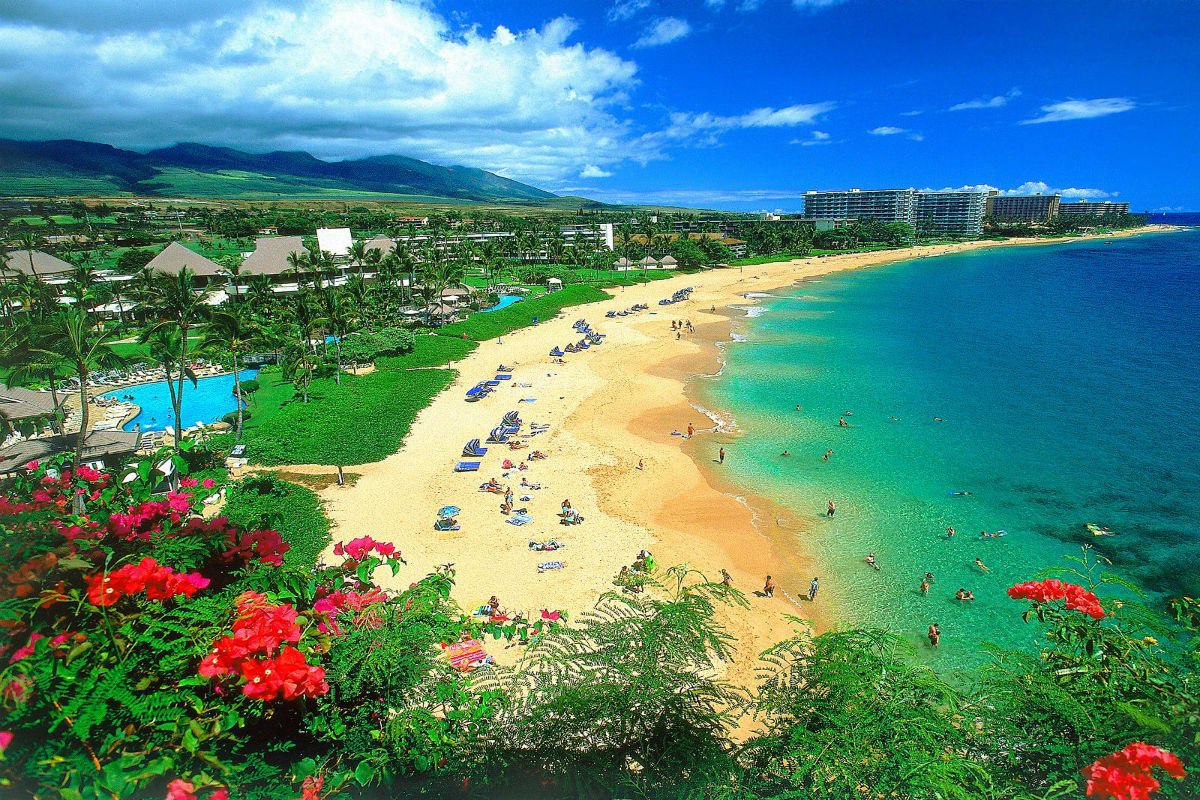
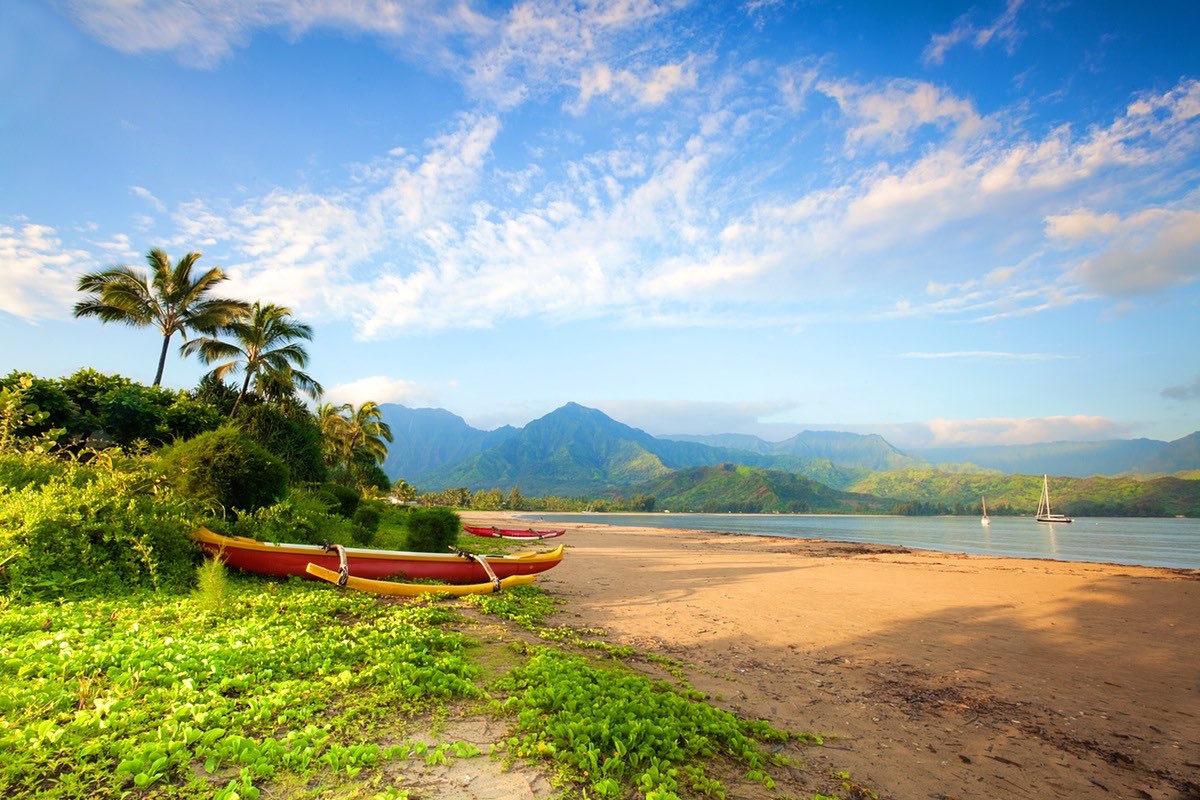
On the other hand, for Native Hawaiians this history is tied to the loss of a kingdom, land, political sovereignty and part of the cultural control over their own home. That is why a modern view of Hawaii requires more tact than an ordinary tourist postcard. Behind Waikiki beaches, Maui hotels and Kauai views stands the memory of a state that tried to survive between empires and was eventually absorbed by the strongest of them.
Hawaii became American not in one day and not for one reason. It was brought there by sugar trade, missionary influence, strategic location in the Pacific, internal political conflict, pressure from the plantation elite, U.S. military interests and a long process of integration. That is why the true history of Hawaii is far more interesting than the tourist myth. It is not only a story about paradise in the ocean, but a story of power, culture, resistance, adaptation and the price small states pay when they find themselves at the crossroads of larger world interests.