
Groceries
Fresh local food
Lviv International Food
Gourmet international grocery store offering baked goods, deli meats, and European snacks, plus Ukrainian gifts.
More detailsMayfield Fine Foods
Mayfield Fine Foods is a russian food store located in Cleveland , Ohio. Our store specializes in Russian and Eastern European foods and products.
More detailsState Meat Market
State Meat Market Inc. Is a family owned and operated for over 35 years. Located in the Ukrainian Village in Parma, it is without a doubt the best place for a place to shop for an assorment of meats (fresh and smoked), pierogies, cabbage rolls and many many more ethnic treats. Nothing beats walking into State Meats and having that aroma hit you, your already starving, but your in luck because the smiling employee behind the counter happily greets you with a tasty sample.
More detailsINTERESTING
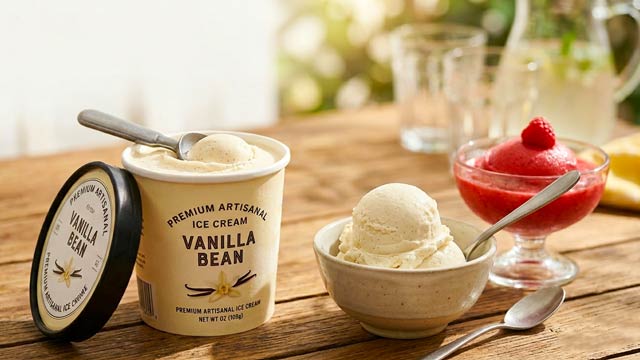
The melting season
Everything You Need to Know About Ice Cream - Except That Its Cold
Some things require no explanation. Ice cream on a hot day is one of them. And yet, this is where the paradox begins: in extreme heat, most people eat ice cream the wrong way. Not technically - humanity has mastered that part quite well. The mistake usually starts with the choice itself: what to buy, when to eat it, how much, and most importantly, what it is actually made of. Because modern ice cream varies so dramatically that many products sold under the same name are, in reality, completely different foods. Understanding the difference is worthwhile at least once - not to ruin the pleasure with analysis, but to enjoy it more consciously.
More details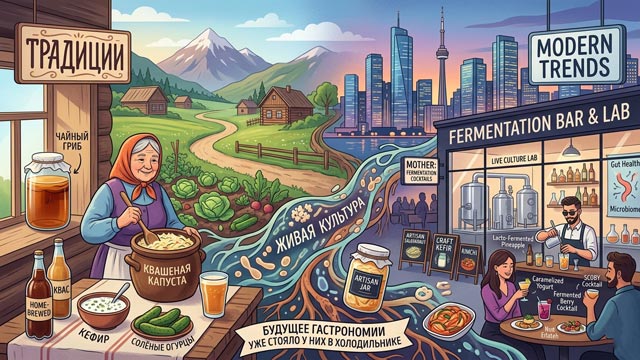
You were always ahead of the curve
How kefir, sauerkraut, and Eastern European fermented food culture quietly became one of North Americas most sophisticated culinary trends.
More details
Beyond the Ribeye
A guide to the meat you have not tried yet - and already want
There are people who can choose a steak with their eyes closed. They know the difference between prime and choice, remember exactly where the longissimus ends and the fat cap begins, and will argue passionately about whether to salt before or after searing. These people are respected. But there is another category - those who realized at some point that the classic beef ribeye is not the summit, but only the beginning of the conversation. That the world of steaks extends far beyond USDA Prime. That the same grill can hold bison, elk, wild boar, or ostrich - and deliver a fundamentally different experience each time. This text is for the second group. And a little - for those who haven't yet decided which one they want to be.
More details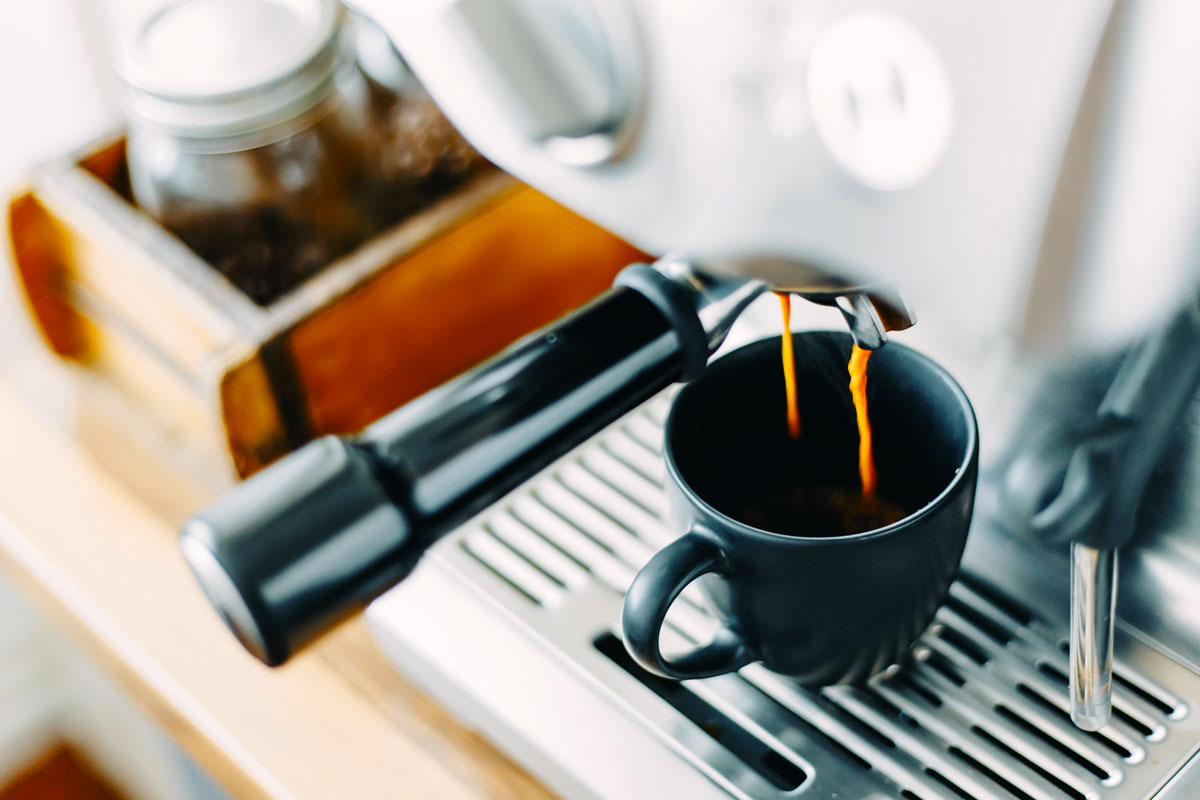
Why does an Italian always have a glass of water next to espresso
And why coffee does not make people sleepy
On a bar counter in Rome, Naples or Milan, a small glass of water often stands beside a tiny cup of espresso. Not ice water, not water with lemon, not a decorative touch — just clean water. But it is not there to wash away the bitterness or to make the coffee work better. In Italian coffee culture, water served with espresso is first and foremost a sign of respect for taste.
More details
Quebecs Gold
Quebec cheese may be North Americas greatest undiscovered luxury
There is a paradox that feels almost irrational. Just a few hours from Toronto, cheesemakers produce wheels that have defeated thousands of competitors from France, Italy, Switzerland, Spain, and the United Kingdom at the worlds most prestigious cheese competitions. This is also where one Canadian cheese dominated professional judging panels so consistently that it became a category of its own. And where a fourth-generation dairy farmer opened a creamery inside a former Catholic parish building - only to win Canadas highest cheese honor a few years later.
More details
Smoke, water and memory
North American Smoked Fish Traditions
Some flavors need no explanation. They reach us before conscious thought begins. The aroma of smoke, rich salted fish, a slice of dark bread - and suddenly memory takes over. For many Russian-speaking immigrants in North America, smoked fish is far more than food. It is the memory of weekend markets, homemade smokers at summer cottages, newspaper spread across a kitchen table, long conversations stretching late into the evening. It is comfort, ritual and a sense of home. That is why so many newcomers initially feel that something is missing here. The smell is different. The texture is different. Even the way people eat smoked fish feels unfamiliar. Yet North America has its own deep and remarkably sophisticated smoked fish culture - one that deserves far more attention than it usually receives.
More details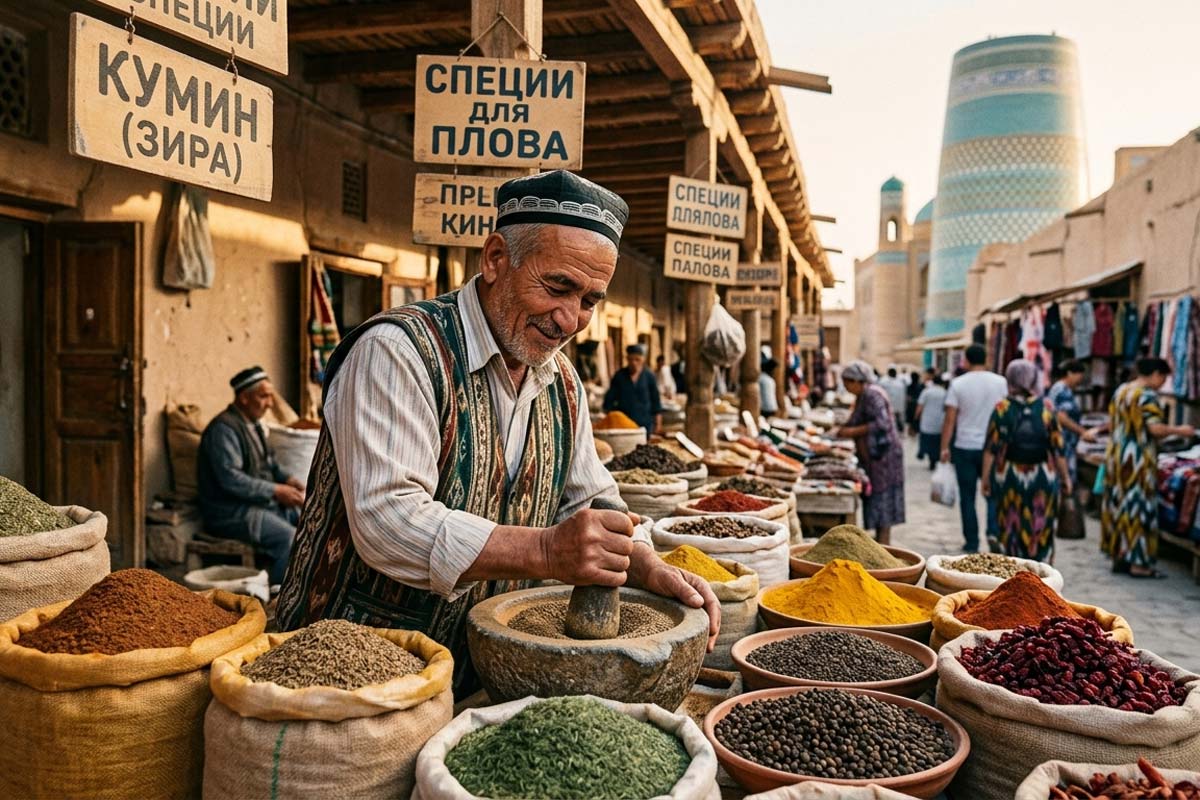
Colorful dust
Why Most Supermarket Spices Have Lost Their Flavor - And How to Bring Real Aroma Back Into Your Kitchen. There is a simple test you can do right now. Open your kitchen cabinet and take out a jar of ground cumin or black pepper. Open it. Smell it carefully. If the aroma feels deep, warm, vibrant and layered, you are lucky. But in most cases, what you will smell is only a faint trace of something that used to be fragrant. The problem is not your memory. It is not nostalgia. And it is not the recipe. It is chemistry, time and logistics.
More details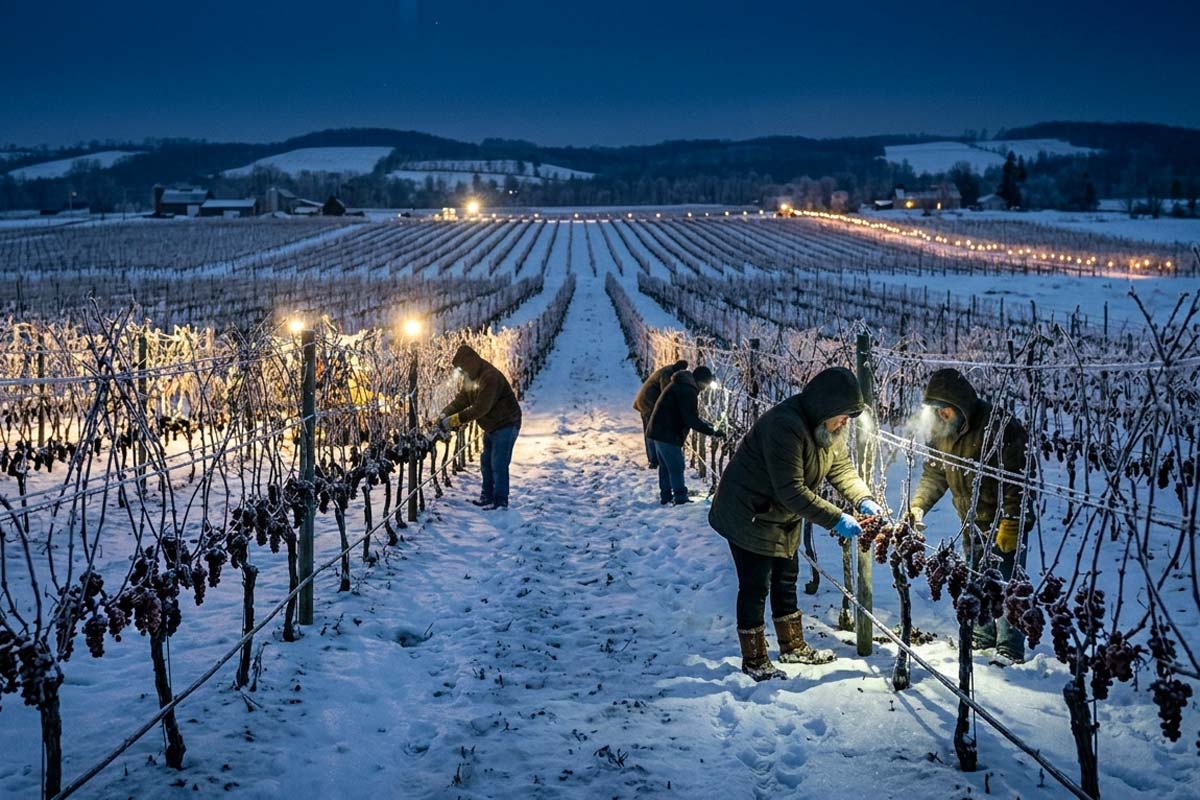
Liquid gold at minus eight
Why Niagara Icewine Is Not a Tourist Souvenir - But One of the Worlds Most Unique Wines. Every winter, something almost cinematic happens on Ontarios Niagara Peninsula: in the middle of the night, vineyard workers walk into frozen vineyards and harvest grapes by hand after they have turned to ice. Temperatures fall below -8°C. Sometimes far lower. The grapes, intentionally left on the vines long after the regular harvest, have spent months exposed to snow, wind, dehydration and occasionally noble rot. What remains inside is an intensely concentrated juice packed with sugar, acidity and aromatics - so concentrated that it does not fully freeze even in deep winter cold.
More details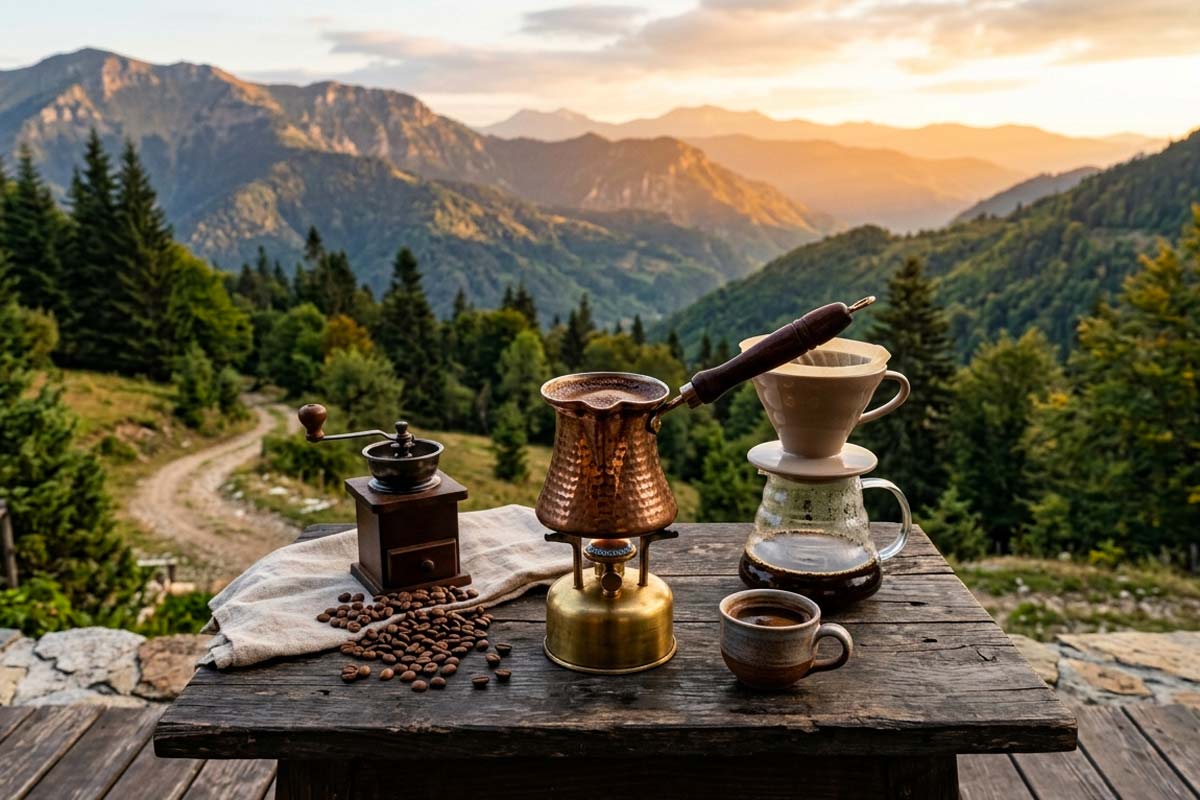
From cezve to cup
What Is Actually Inside Your Coffee Cup
Every morning, millions of cups of coffee are consumed in Toronto alone. In some homes, coffee is brewed slowly in a traditional cezve over gentle heat, with ultra-fine grounds and thick aromatic foam rising to the surface. In others, it is a capsule, a button, and thirty seconds to the first sip. Somewhere else, freshly ground specialty beans drip through a paper filter while a barista carefully weighs every gram. And on the morning commute, there is the familiar Starbucks cup with a name written in marker. Technically, all of these drinks are called coffee. In reality, they are fundamentally different beverages with different chemistry, different levels of caffeine, oils, antioxidants, flavour complexity, and even different effects on the body. What unites them is mostly the dark colour in the cup and the word coffee on the label.
More details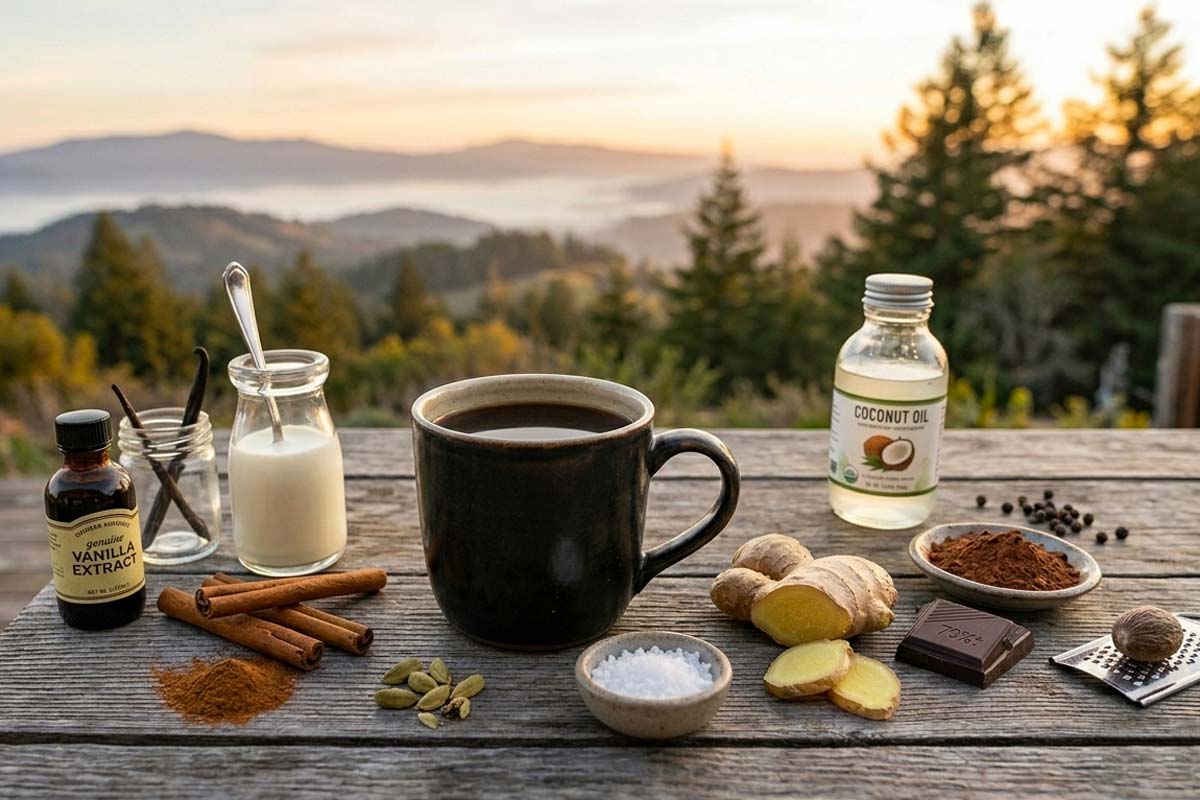
What to add to your coffee
A honest look at natural coffee additions — flavor, chemistry, benefits
Coffee stopped being just a morning drink a long time ago. It is one of the most chemically complex everyday beverages in the world: hundreds of aromatic compounds, antioxidants, oils, acids, alkaloids, roasting reactions, and extraction variables all interacting inside a single cup. The moment something else is added to coffee, two things change simultaneously: flavor changes - and chemistry changes. Sometimes for the better. Sometimes dramatically for the worse.
More details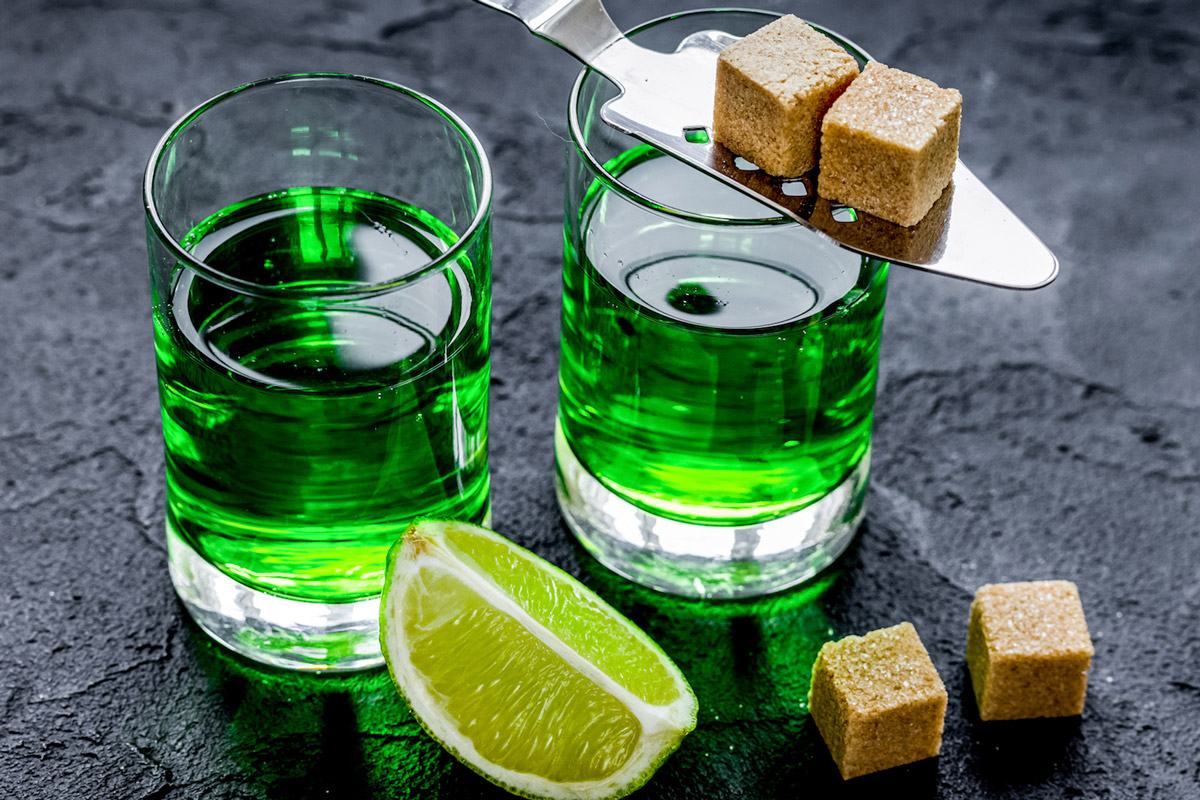
The Green Fairy, bohemia and the most beautiful alcoholic myth
The history of absinthe
Absinthe has always been more than just a strong drink. Across different eras, it has been called a medicine, an artists drink, a dangerous poison, a symbol of decadence, a cause of madness and the forbidden fruit of European bohemia. It was drunk by doctors, soldiers, poets, workers, aristocrats and adventurers. It was blamed for almost every sin of the Belle Époque, banned for decades and then returned to the market - this time as a legend carefully sealed in a bottle.
More details
The main secrets of Starbucks success
Starbucks has long been more than a coffeehouse chain. It is one of those brands that changed not only the coffee market, but urban culture itself: the way people meet, work, pause between home and office, hold business conversations and buy a small feeling of comfort in the middle of the day. In America, Starbucks has become almost a part of everyday life: a place to stop on the way to work, sit with a laptop, meet friends or pick up a familiar drink, knowing that the taste and service will be predictable.
More details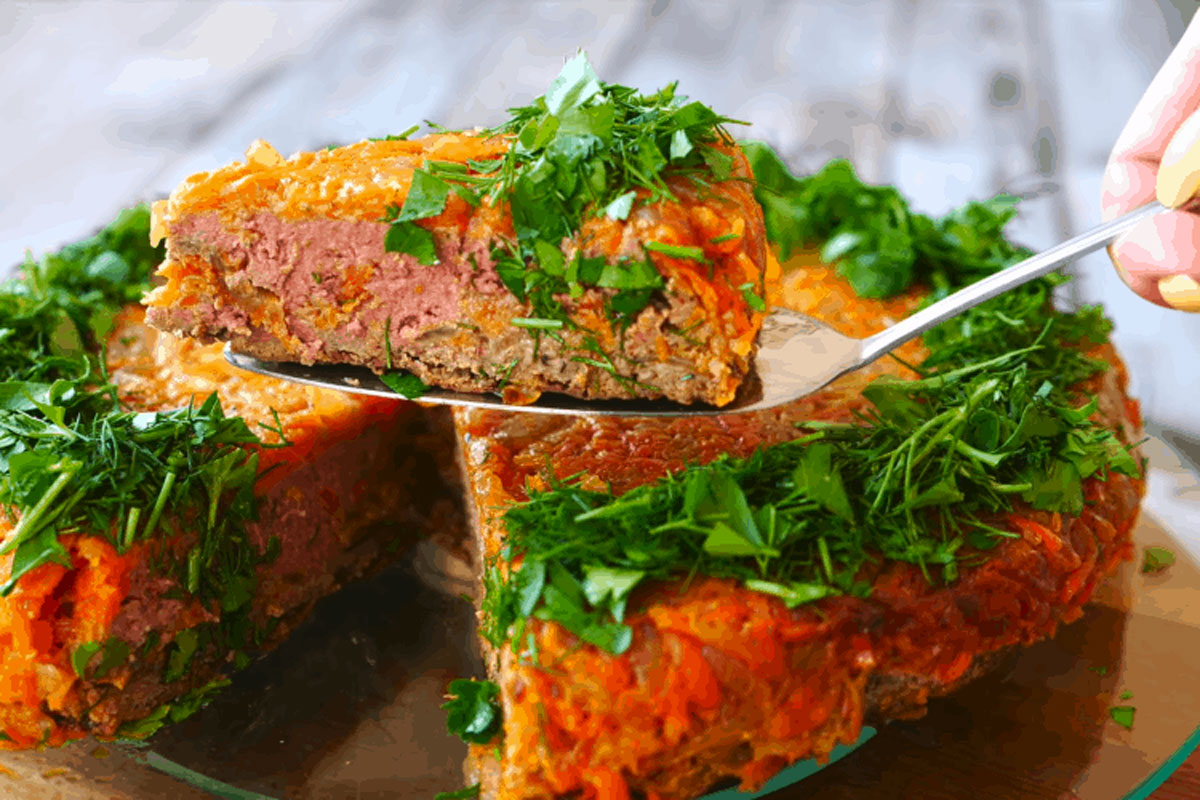
Royal-Style Liver Cake
An elegant savoury dish for the holiday table
Some dishes do not require expensive ingredients, yet look almost ceremonial on the table. Royal-style liver cake is exactly that kind of recipe. Made with chicken liver, onion and carrot, it is tender, juicy, comforting and beautifully presentable. Its greatest advantage is that it can be prepared in advance, chilled until the layers set, then simply transferred to a serving plate and decorated with fresh herbs before guests arrive. For a holiday table, family dinner or generous gathering, it is both practical and impressive.
More details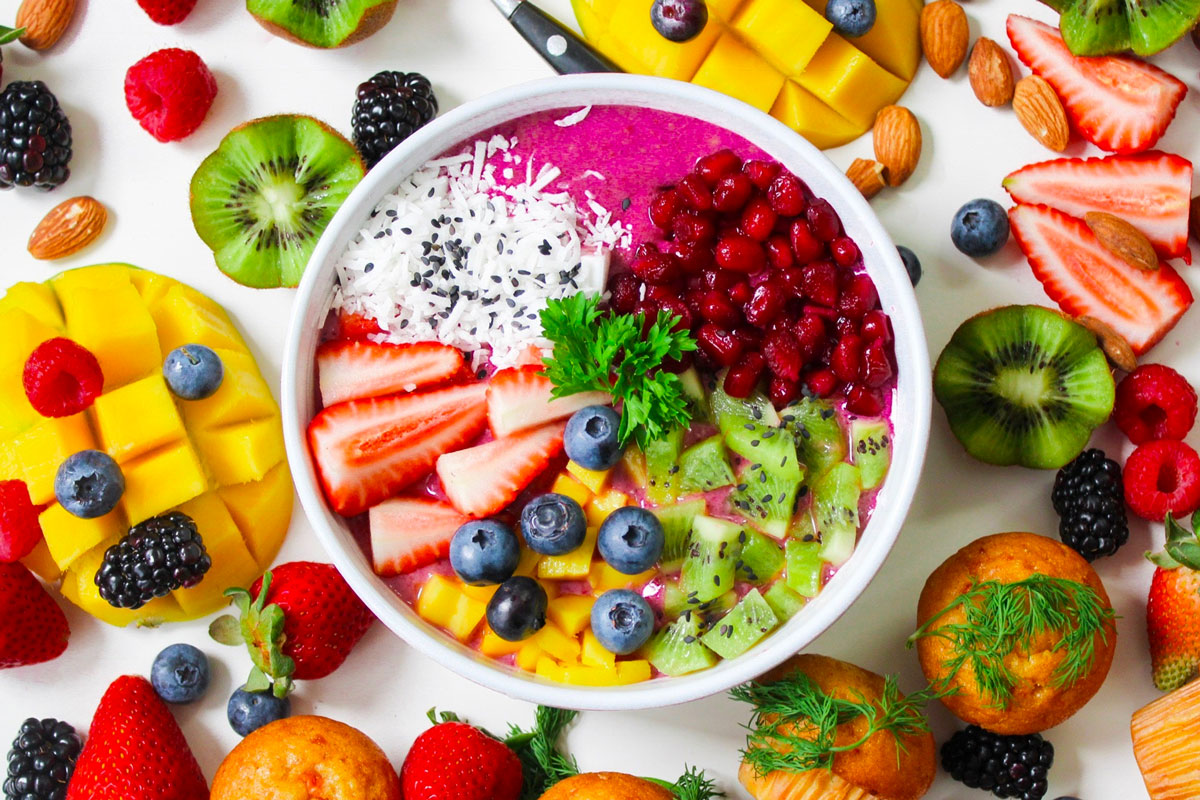
What do the most influential people in the world eat for breakfast
If becoming a billionaire has not quite worked out yet, you can at least start the morning like someone used to making big decisions. And you do not need a private kitchen, a personal chef or rare superfoods to do it. The breakfasts of famous entrepreneurs, executives and public figures often surprise not with luxury, but with simplicity: muesli, eggs, oatmeal, yogurt, tea, coffee, sometimes even cereal — or no breakfast at all. That may be the most useful lesson: the morning ritual of a successful person rarely looks like a perfect image from a wellness magazine. More often, it is something convenient, familiar and realistic enough to fit into an actual schedule.
More details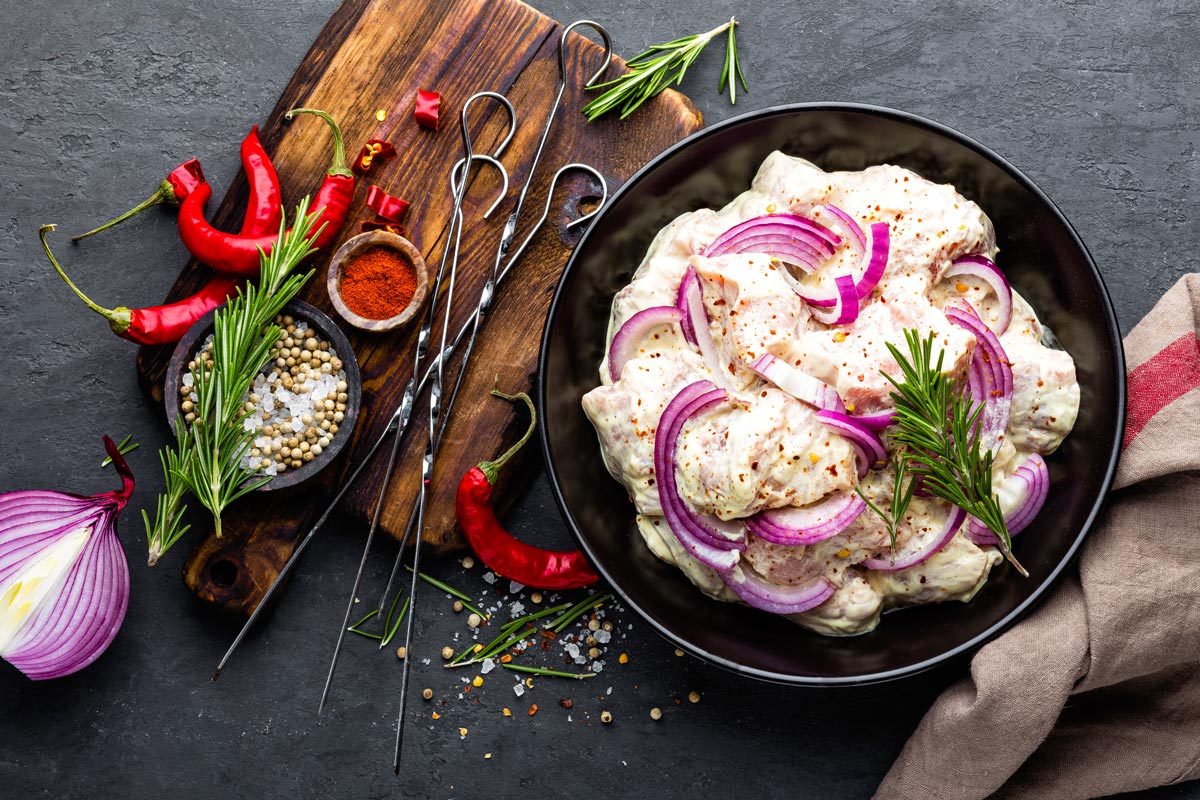
How and why to marinate shashlik
According to science
Good shashlik begins long before the meat touches the skewer. It begins the moment we decide what to marinate it in: wine, kefir, onion, mineral water, vinegar, yogurt, spices or a simple mixture of salt, pepper and time. Every family has its own recipe, every grill master has firm beliefs, and every summer table has its own legend about the only correct marinade. But behind this culinary tradition there is not only taste and memory. There is real chemistry.
More details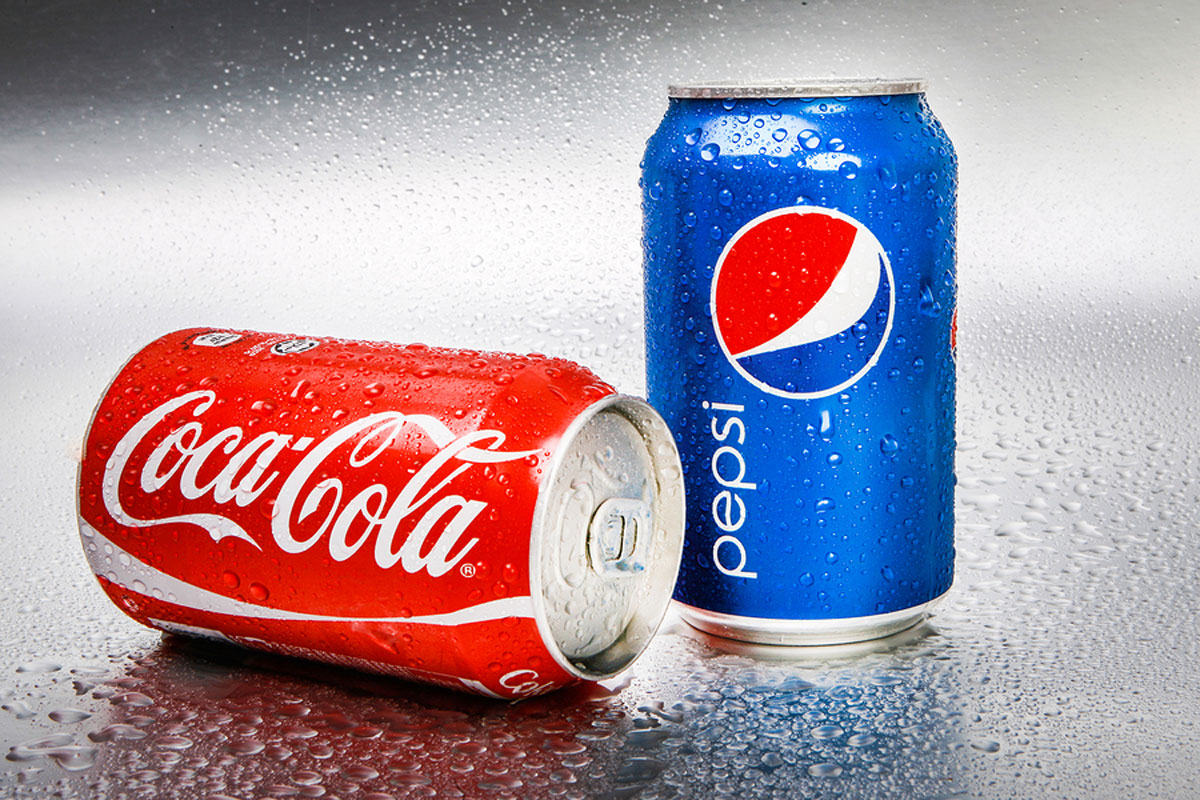
What is the difference between Coca-Cola and Pepsi
Today, Pepsi-Cola and Coca-Cola occupy a unique, historically established niche in the world of soft drinks. In their attempt to win over consumers, the companies behind these beverages have been waging advertising wars for as long as anyone can remember. They compete over everything: whose taste is better, whose product line is broader, whose can looks cooler, whose advertising is more expensive, and whose campaigns feel more emotional. And, of course, over sales volumes as well.
More details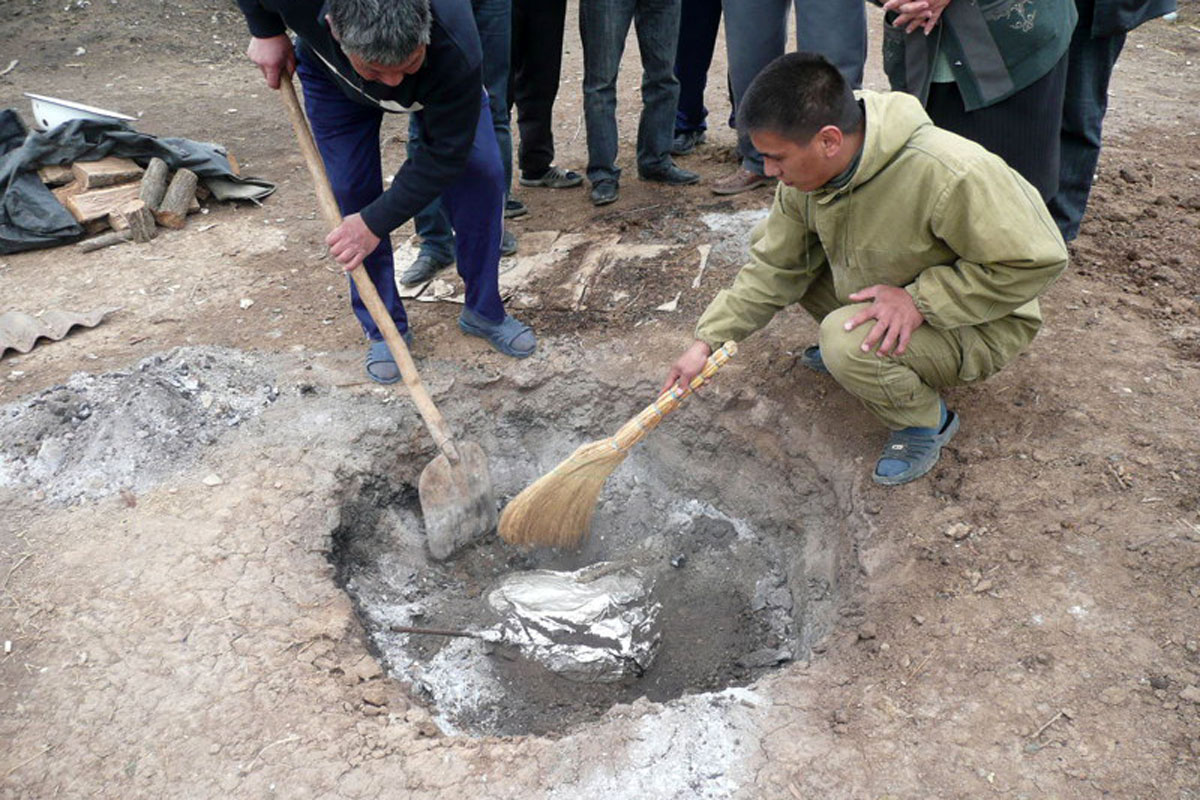
The most original dishes from different regions of Russia
The cuisine of a large country rarely fits into one familiar set of symbols. Beyond borscht, blini, pelmeni and pies lies another gastronomic map entirely: steppe, northern, Volga, Siberian, Far Eastern, Caucasian, Finno-Ugric, Turkic, Mongolian and European by origin. It is in regional dishes that food most clearly reveals itself not merely as flavour, but as climate, history, migration, lifestyle and the memory of place.
More details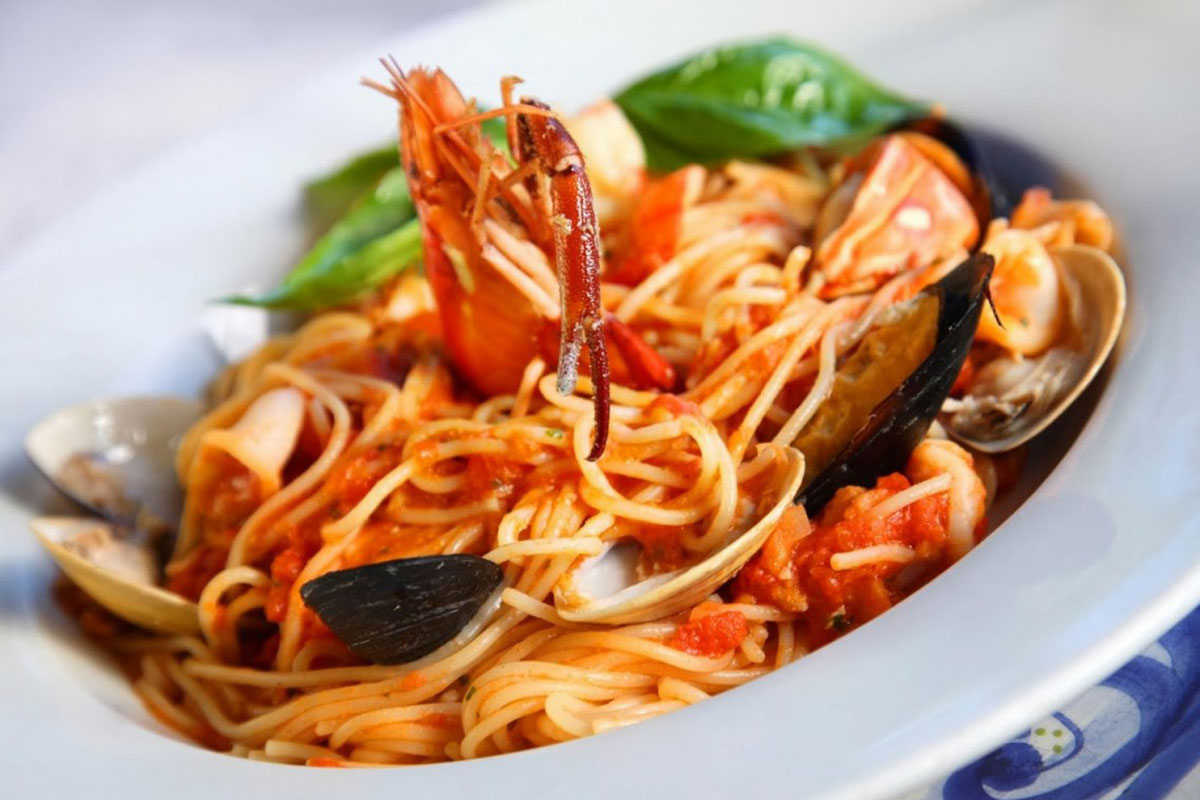
Types of pasta everyone should know
Итальянская кухня
Pasta is one of the great symbols of Italian cuisine and perhaps one of the most versatile foods in the world. It has everything we love about food that is simple yet perfectly thought through: wheat flour, water, sometimes eggs, the right shape, a good sauce and the feeling that an endless number of flavour stories can be created from only a few ingredients. Italians treat pasta shapes almost like architecture for a reason. Length, curve, thickness, surface, hollow centre, ridges and the ability to hold sauce all matter.
More details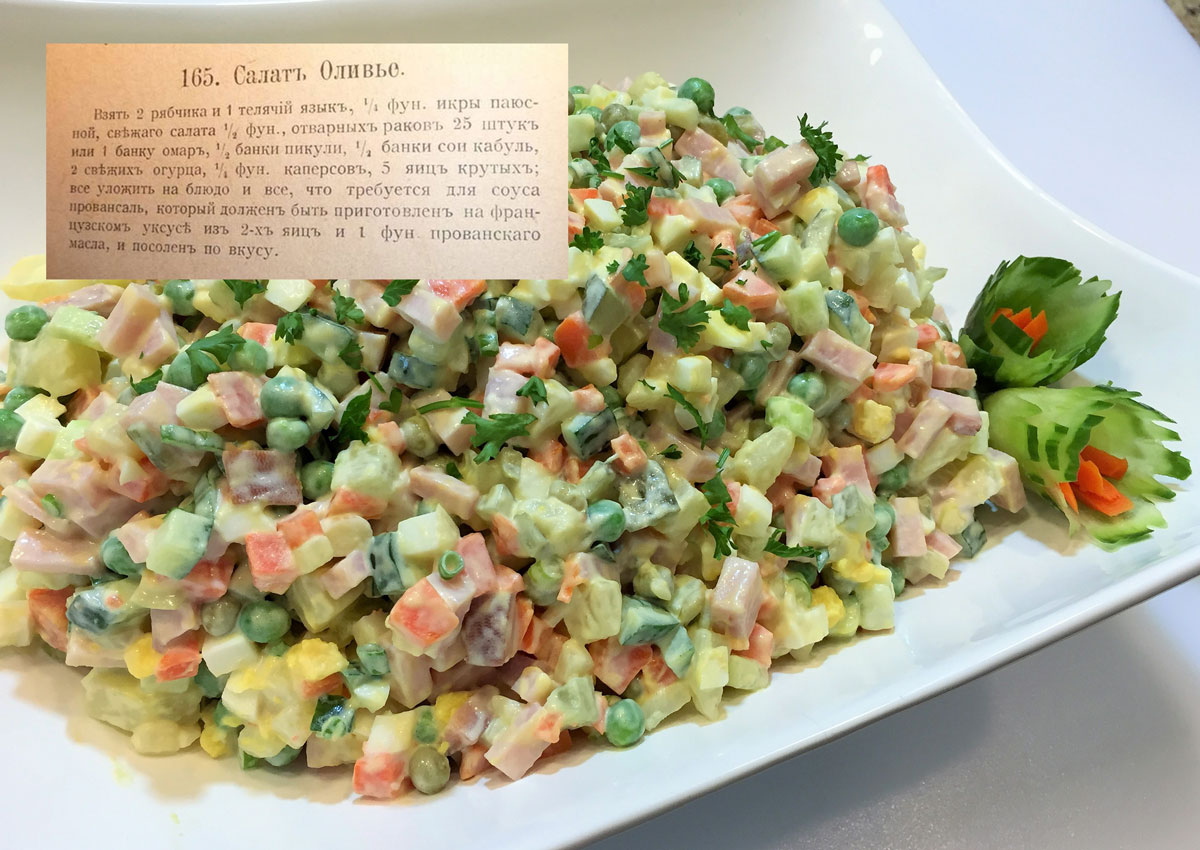
The real Olivier Salad and its history
The famous Olivier salad was created by a French chef in Russia in the second half of the 19th century, and the chef’s name often misleads people. Yet the fact remains: Lucien Olivier was the founder of the celebrated Hermitage restaurant and the creator of the magnificent salad that has survived to this day.
More details
Mavrodaphne Of Patras
Greek Cahor
On the eve of the Christmas holidays, it is worth remembering two unusual red wines — French Cahors and Greek Mavrodaphne — both regarded as sacred church wines and used in the Christian tradition in the sacrament of Holy Communion.
More details
9 foods that should not become part of your everyday diet
In nutrition, the real danger is usually not one random burger, one can of food or a slice of cake at a celebration. The problem begins when ultra-processed products, sweet drinks, cheap fats and “convenient food” become the norm rather than the exception. Many foods are marketed as quick, healthy or diet-friendly, but when eaten regularly, they give the body something very different from what the advertising promises.
More details


