Misc

Everything else

Classic Memorials

Classic Memorials, Inc., the leading cemetery monument and headstone company in the Cleveland and Northeast Ohio area. Call us today for a free consultation.
More details

INTERESTING

From websites to answers: why the internet we knew is disappearing
From websites to answers: why the internet we knew is disappearing

Not long ago, the internet was built in a simple and almost honest way: people wrote for people. Someone shared experience, someone argued, someone sold, someone explained, someone made mistakes, someone searched for truth, and someone simply wanted to be heard. The web was noisy, imperfect and overloaded, but at its core there was still a human logic: pages, authors, sources, opinions, personal experience, forums, blogs, company websites, media, comments, a search bar and a long journey from question to answer. Now that model is quickly becoming part of the past.
More details
1976: the year when the world rebooted

1976: the year when the world rebooted

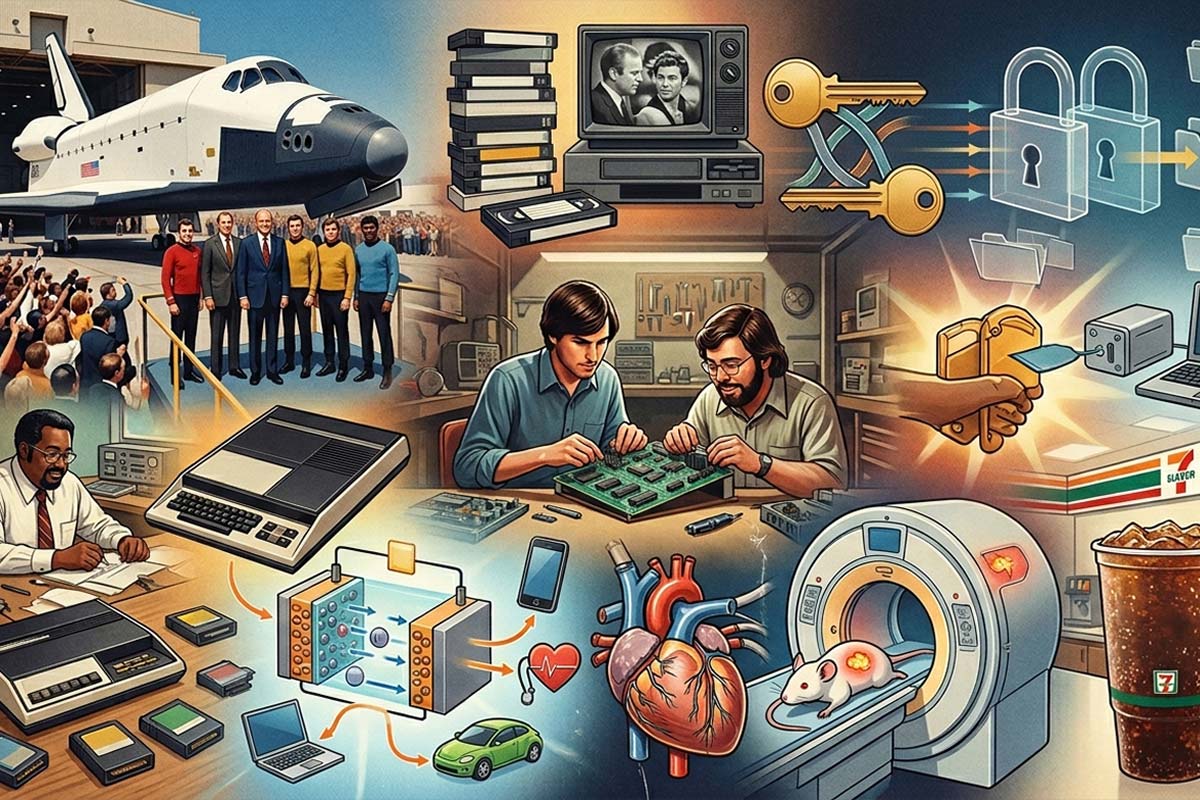
While Steve Jobs and Steve Wozniak were building their first computer in California, the world — without fully realizing it — was living through one of the most concentrated years in the history of technology. Apple, founded on April 1, 1976, is marking its fiftieth anniversary, and that milestone is a useful reminder that the Apple-1 was far from the only breakthrough of its era. In 1976, the future was taking shape on several fronts at once — in energy storage, cryptography, medicine, home entertainment, video games, and aerospace engineering. Many of those ideas still operate quietly inside our everyday lives.
More details
Safety as a part of lifestyle

Safety as a part of lifestyle

Home security in the Greater Toronto Area is increasingly moving beyond traditional measures such as alarms and surveillance cameras. Today, it is not only about protecting property, but about maintaining control — a defining element of overall quality of life.
More details
Lincoln Road: The street that refused to end

Lincoln Road: The street that refused to end

How Lincoln Road became the most complicated mile

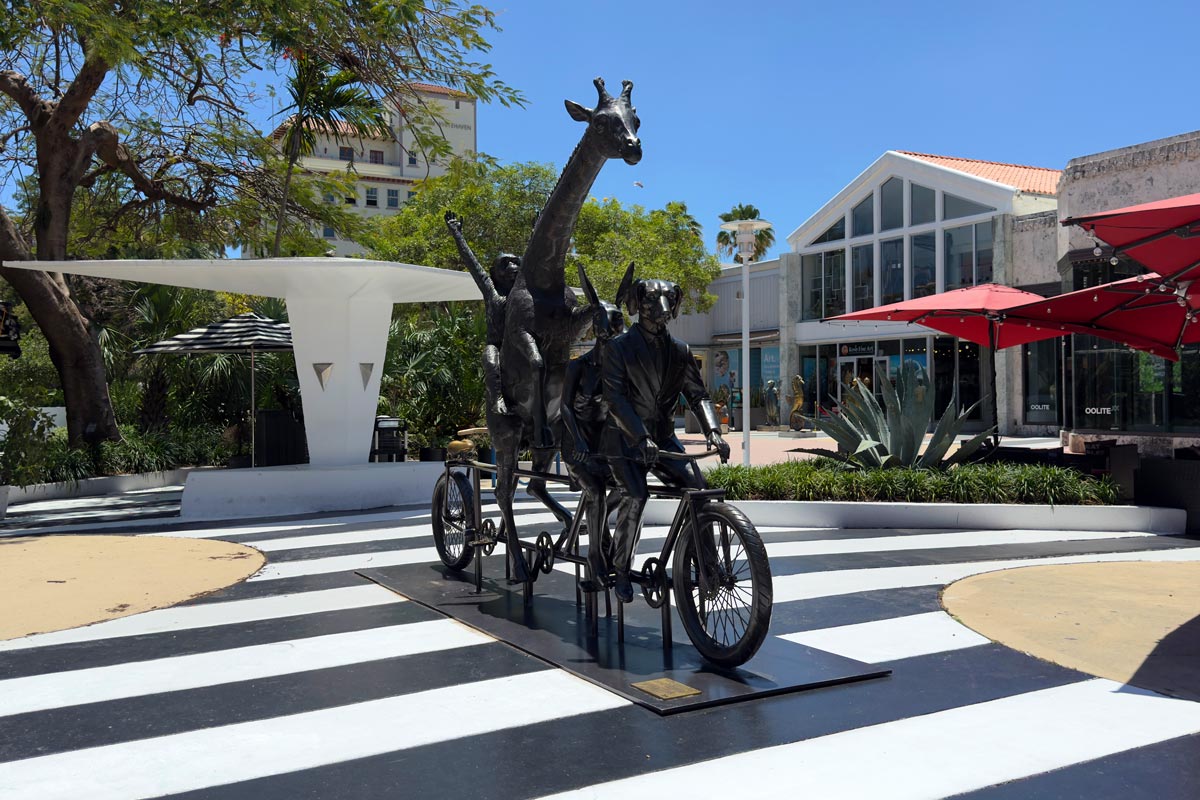
There are streets that simply exist. And there are streets that have died more than once, returning each time a little different, a little more layered, carrying the scar tissue of every previous version of themselves. Lincoln Road in Miami Beach is the second kind. Seven blocks of pedestrian space running east to west across the narrow island, from the Atlantic to Biscayne Bay. No cars. No visual accidents. Fountains, tropical plantings, mid-century concrete canopies, and the particular quality of shade that only Florida architecture at its best manages to manufacture. From the outside, it reads as a beautiful shopping street. What it actually is, is four different cities stacked on top of each other - each one built on the failure of the last.
More details
Collins Avenue: from mangrove swamps to Michelin-era Miami

Collins Avenue: from mangrove swamps to Michelin-era Miami

Miami Beach

Today, Collins Avenue is one of the great lines of Miami Beach glamour: palms, ocean air, Art Deco neon, legendary hotels, designer boutiques, fine dining and the silhouettes of luxury towers reflected in the water. The avenue stretches along the barrier island, connecting different eras and different versions of Miami - from historic South Beach to Bal Harbour and Sunny Isles Beach.
More details
Quebecs Gold

Quebecs Gold

Quebec cheese may be North Americas greatest undiscovered luxury

There is a paradox that feels almost irrational. Just a few hours from Toronto, cheesemakers produce wheels that have defeated thousands of competitors from France, Italy, Switzerland, Spain, and the United Kingdom at the worlds most prestigious cheese competitions. This is also where one Canadian cheese dominated professional judging panels so consistently that it became a category of its own. And where a fourth-generation dairy farmer opened a creamery inside a former Catholic parish building - only to win Canadas highest cheese honor a few years later.
More details
From cezve to cup

From cezve to cup

What Is Actually Inside Your Coffee Cup

Every morning, millions of cups of coffee are consumed in Toronto alone. In some homes, coffee is brewed slowly in a traditional cezve over gentle heat, with ultra-fine grounds and thick aromatic foam rising to the surface. In others, it is a capsule, a button, and thirty seconds to the first sip. Somewhere else, freshly ground specialty beans drip through a paper filter while a barista carefully weighs every gram. And on the morning commute, there is the familiar Starbucks cup with a name written in marker. Technically, all of these drinks are called coffee. In reality, they are fundamentally different beverages with different chemistry, different levels of caffeine, oils, antioxidants, flavour complexity, and even different effects on the body. What unites them is mostly the dark colour in the cup and the word coffee on the label.
More details
What to add to your coffee

What to add to your coffee

A honest look at natural coffee additions — flavor, chemistry, benefits
Coffee stopped being just a morning drink a long time ago. It is one of the most chemically complex everyday beverages in the world: hundreds of aromatic compounds, antioxidants, oils, acids, alkaloids, roasting reactions, and extraction variables all interacting inside a single cup. The moment something else is added to coffee, two things change simultaneously: flavor changes - and chemistry changes. Sometimes for the better. Sometimes dramatically for the worse.
More details
How, where and why student fraternities appeared

How, where and why student fraternities appeared

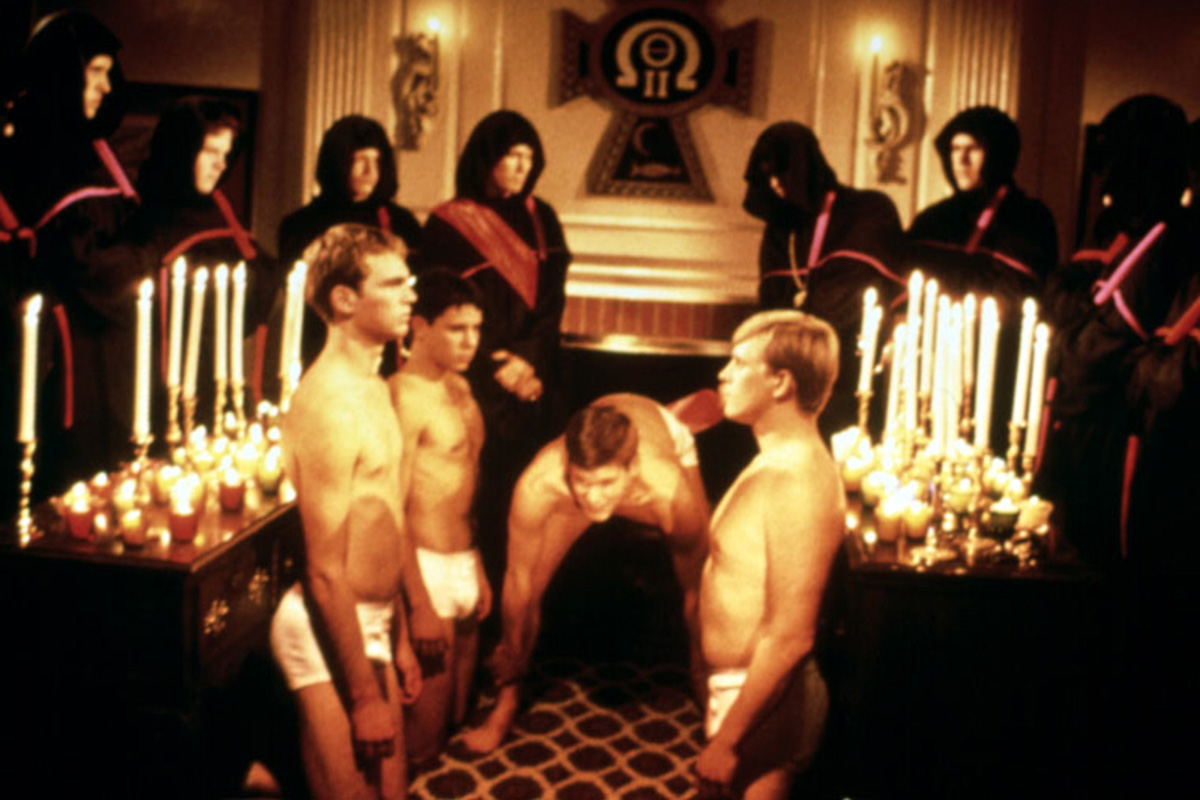
College fraternities are one of the most recognizable and, at the same time, most misunderstood symbols of American university life. We are used to seeing them in films as a strange mixture of private club, teenage comedy, party house, ritual society and miniature state inside a campus. Their own colours, Greek letters, secret signs, initiations, shared houses, alumni legends, internal hierarchies, loud parties, charity events, networking and, unfortunately, sometimes hazing - all of this has become part of the image of American college life. But behind the caricature lies a far more interesting story: fraternities did not appear simply for the sake of parties, but as a response to young men’s need for status, belonging, influence and social connection.
More details
What is success

What is success

12 views that go beyond money

We are used to speaking about success as if it were obvious: high income, a recognizable name, an impressive title, a polished brand, a home in the right neighbourhood, influential connections and a biography that looks good from the outside. But the closer you look at people whom society has already called successful, the clearer it becomes that external achievement alone does not provide a final answer. Money can expand freedom, power can bring influence, recognition can open doors. But none of this guarantees inner peace, meaning or the feeling that life is truly being lived well.
More details
Built at speed: projects that changed the world in record time

Built at speed: projects that changed the world in record time

Today, it often seems that big ideas are destined to get stuck in approvals, budgets, committees, tenders, presentations and endless deadline extensions. But history tells another story: sometimes the most complex and influential projects were created not over decades, but in months, weeks and even days. A bank card, a skyscraper, a military aircraft, a theme park, a programming language, an operating system, a logistics service and entire pieces of urban infrastructure appeared when people did not have the luxury of postponing decisions forever.
More details
Which major company was launched the year you were born

Which major company was launched the year you were born

Хронология с 1945 по 2001 год

Every year has its own character. Some years are remembered for political events, others for cultural turning points, technological breakthroughs or new habits that first seem small and later change everyday life for millions of people. Sometimes the character of a year becomes especially visible through the companies born in it: a small coffee shop, an electronics workshop, a clothing store, a financial service, a studio, a brand or a technology start-up.
More details
Why the things around us are these exact colours

Why the things around us are these exact colours

Explanations of color solutions used in everyday life

We rarely think about the colours of everyday objects until someone breaks the familiar order. Imagine a blue school bus, a green passenger airplane, a car with white tyres or traffic lights with brown signals. All of it would look strange not because it is impossible, but because over decades we have become used to a certain colour logic. Airplanes are usually white, tyres are black, school buses are yellow, pedestrian crossings are black and white, and traffic lights speak to us in the language of red, yellow and green.
More details
Why China is called Cathay in Russian

Why China is called Cathay in Russian

The strange history of country names

Country names feel natural and final, as if they had always been that way. China is China, Germany is Germany, Japan is Japan. But look a little closer, and the map of the world becomes a vast museum of historical misunderstandings, ancient tribes, foreign rumours, trade routes, linguistic distortions and political memory. Very often, a country is not called by the name its own people use, but by a name once given to it by neighbours, conquerors, merchants or travellers.
More details
How America builds aircraft carriers
How America builds aircraft carriers

An aircraft carrier is not simply a large warship. It is a floating airfield, a nuclear power plant, a city of several thousand people, a communications hub, an arsenal, a symbol of power and one of the most complex engineering objects a modern state can build. That is why the story of USS Gerald R. Ford is interesting not only to military specialists. It shows how America creates its most ambitious technologies: expensively, slowly, with mistakes, with public criticism - and with a time horizon measured in decades.
More details
How to manage everything and stop postponing

How to manage everything and stop postponing

Life hack from the President of the United States
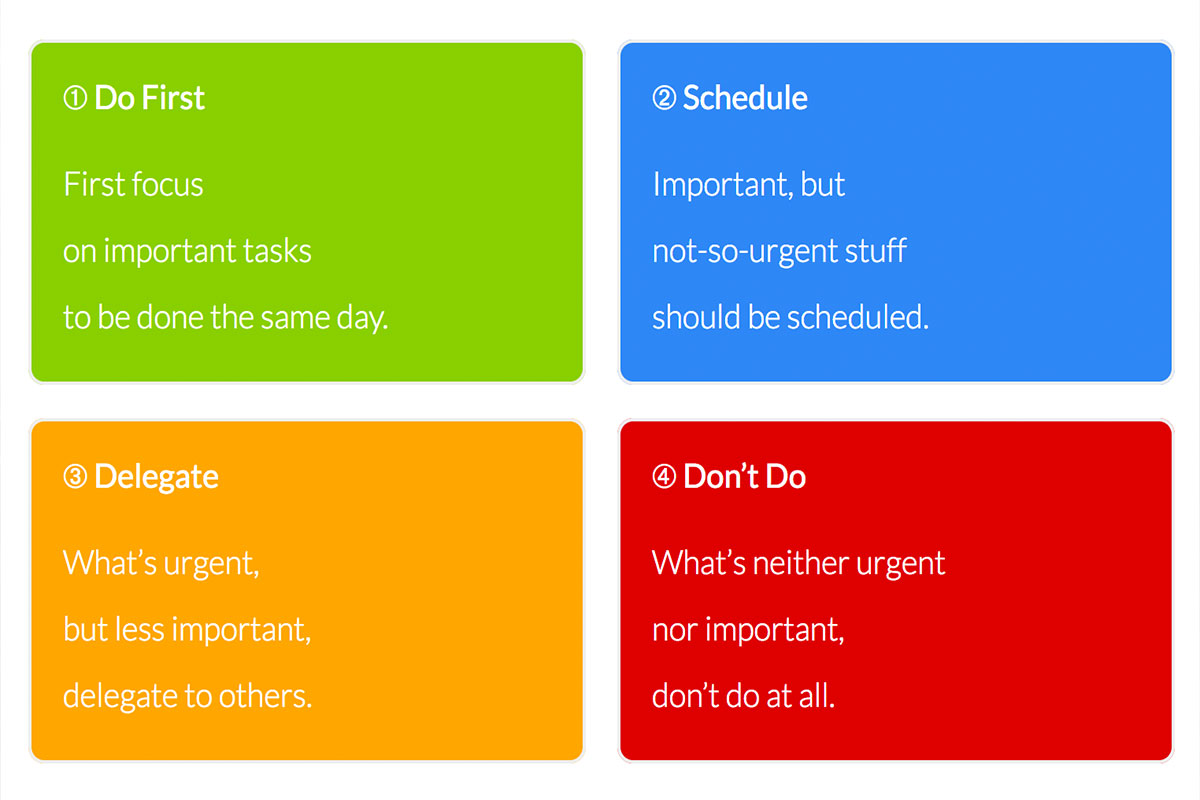
Everyone goes through periods in life when tasks are first postponed until later — and then, eventually, everything turns into a permanent state of emergency. Lets be honest: many of us live this way for months at a time. As the joke goes, never put off until tomorrow what you can put off until the day after tomorrow. Why is planning so difficult for us? Where does this habit come from — pushing deadlines as long as they can still be pushed? And, most importantly, how do we dig ourselves out from under a pile of urgent work? Try a life hack from a president.
More details
Henry Ford principles of success

Henry Ford principles of success

Useful not only for entrepreneurs

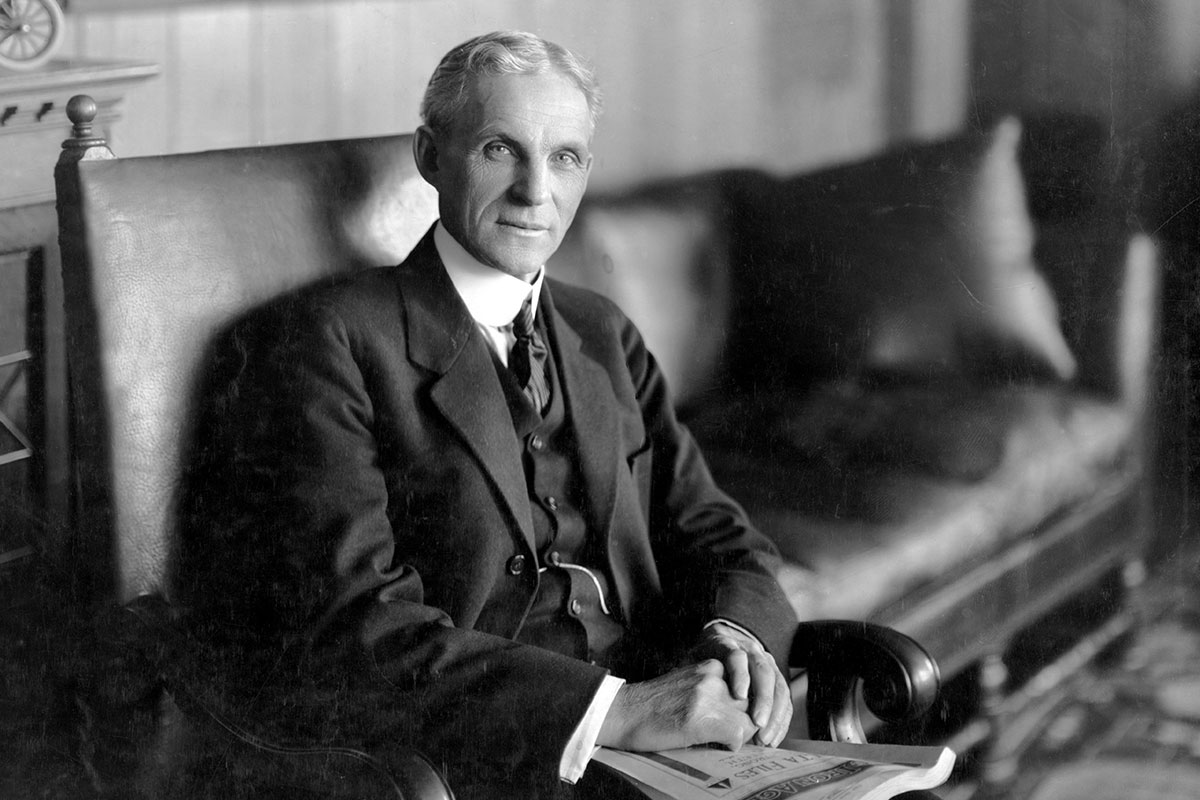
Henry Ford is often remembered as the man who made the automobile a mass product and changed twentieth-century industry. But his real value for the modern reader lies not only in the assembly line, the Model T or factory discipline. Ford is interesting because he thought about business far more broadly than profit. For him, an enterprise was not a game of money, but a system of useful work, responsibility, quality, thrift and constant improvement. That is why many ideas from his book My Life and Work, published in 1922, still sound surprisingly contemporary.
More details
Words with hidden histories

Words with hidden histories

Small biographies inside everyday language

Every word has a biography. Some come from ancient languages, some are born from mistakes, some change meaning so dramatically that their original sense is almost impossible to guess. Behind an ordinary word, one may find theatre, war, religion, medicine, trade or a domestic detail that has survived for centuries. That is what makes etymology so fascinating: it shows that language is not a museum, but a living memory of culture.
More details
How to respond to insults

How to respond to insults

The Steve Jobs lesson
In an age when a sharp remark can travel across the internet in seconds, knowing how to respond to insults is no longer merely a matter of manners. It has become a skill of personal strength, self-control and public maturity. Trolls try to push us off balance. Competitors provoke us into careless reactions. Sometimes even people close to us use hurtful words not because they want to help, but because they themselves cannot handle irritation, resentment or the feeling of not being heard.
More details
How your printer spies on you

How your printer spies on you

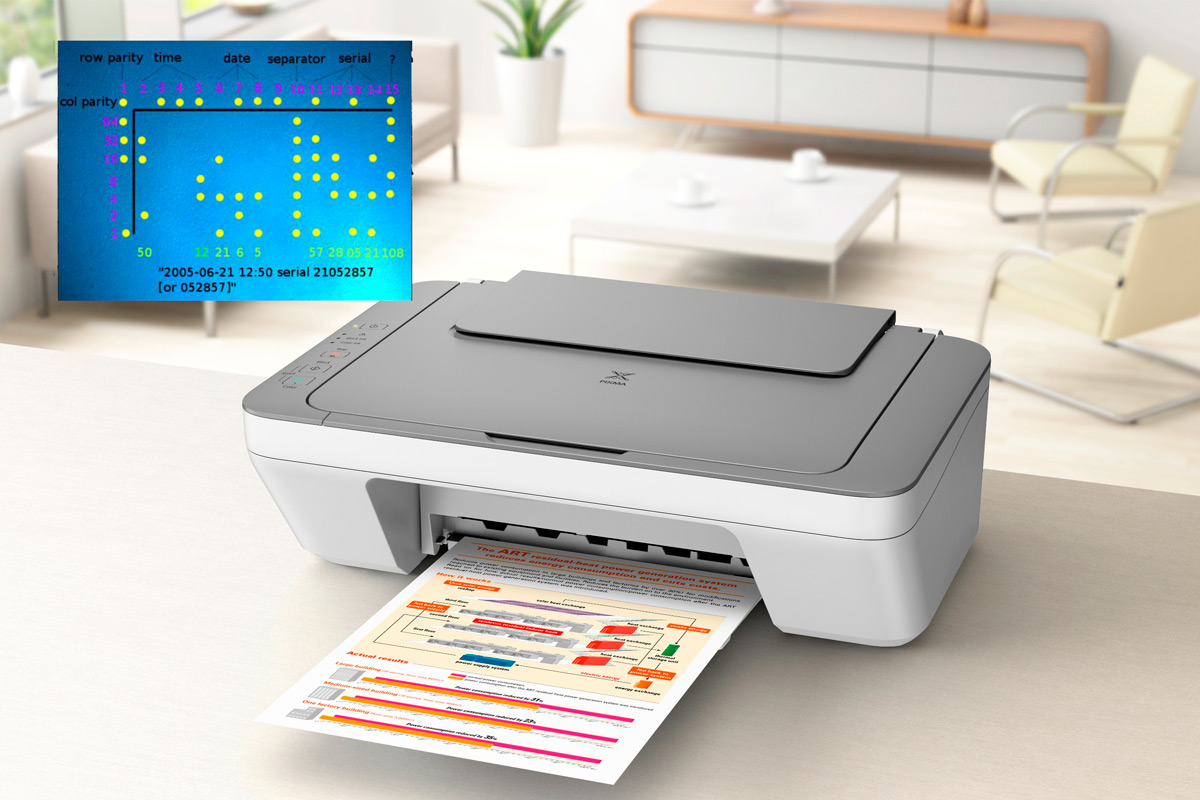
We are used to thinking of digital surveillance as something that lives in a phone, browser, search bar, social network or laptop camera. But sometimes the trace is left not by a screen, but by paper. An ordinary colour printer can print not only text, a photograph or a document, but also a tiny code almost invisible to the eye - a pattern of yellow dots that may reveal when and on which device the page was printed. It sounds like the plot of a techno-thriller, but the technology has existed for decades.
More details
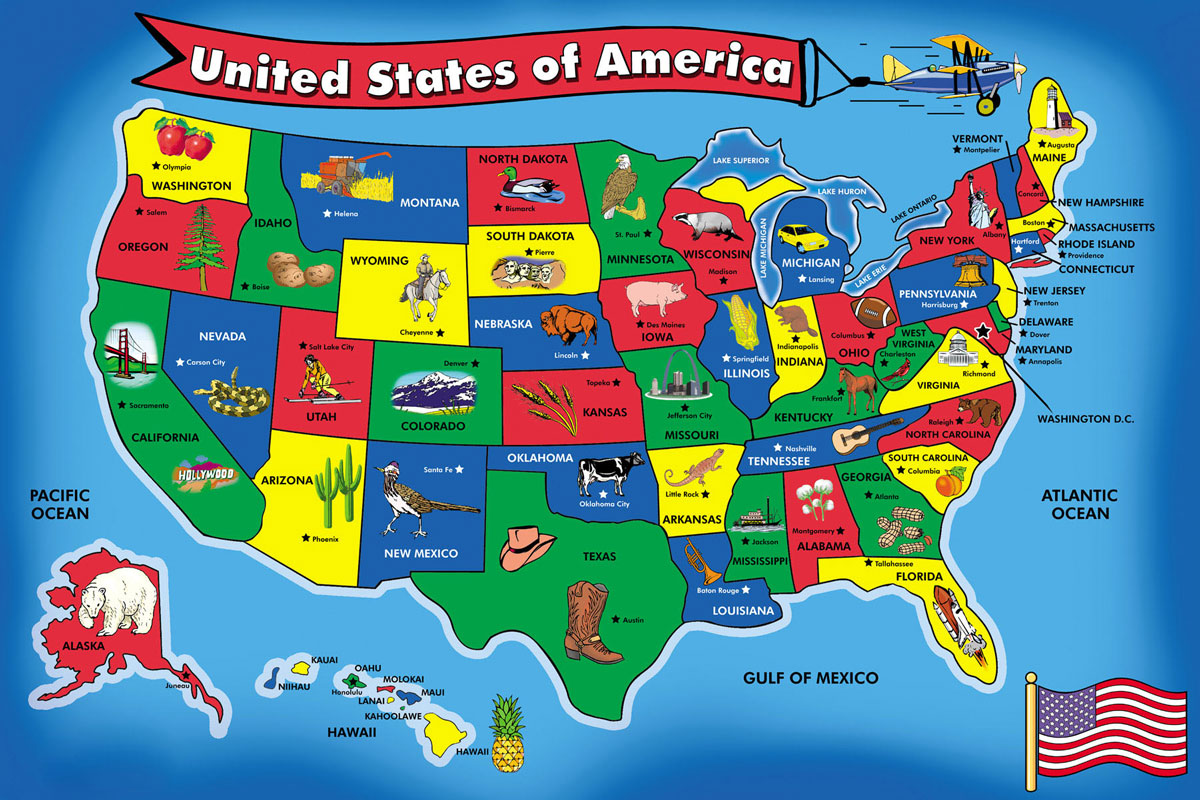
Territories for which America paid with gold

Territories for which America paid with gold

The history of the United States is not only a story of wars, revolutions and political declarations. It is also a story of deals. Sometimes the fate of enormous territories was decided not on the battlefield, but at the negotiating table, where diplomats discussed dollars, debts, strategic risks and future borders. America did, more than once, expand by purchasing land from European powers and neighbouring states. But behind the elegant formula “they bought instead of fighting” lies a much more complicated reality: wars had often already taken place, Indigenous peoples were usually excluded from the negotiations entirely, and the price of a territory almost never reflected its real historical, human or natural value.
More details
How the United States was at war with Canada

How the United States was at war with Canada

Although the United States and Canada are allies today, their relationship was not always peaceful. The southern neighbour twice tried to change the fate of Britain’s northern possessions by force. The first attempt came in 1775, during the American War of Independence, when the Continental Army invaded Quebec in the hope of bringing the French-speaking population onto its side in the struggle against Britain. The attempt failed. The second came during the War of 1812, when the United States moved against Canada, seeing the British colonies as a military target, a political bargaining chip and, perhaps, a future territorial prize. That invasion failed as well.
More details
What is Berdanka or Berdans snipers

What is Berdanka or Berdans snipers

Any experienced hunter has heard the word berdanka at least once. Someone’s father or grandfather may have hunted with one, someone may have seen one in an old gun cabinet, and someone may know the name only from stories. Yet today, not everyone understands exactly what this word means. Some consider the berdanka a military rifle; others think of it as a hunting shotgun converted from a military weapon; still others see it as a special type of hunting gun; and some use the word for almost any smoothbore gun made from an old rifle. In each of these opinions, there is a piece of truth.
More details
Gunsmith designer Peter-Paul von Mauser

Gunsmith designer Peter-Paul von Mauser

Paul Mauser was the celebrated German designer of small arms and the founder of the company that produced them. Among his creations were weapons that long outlived their inventor. The best-known designs associated with his name include the Mauser 98 rifle, the Mauser C96 pistol, and the Zig-Zag revolver. In 1912, in recognition of his outstanding contribution to the development of German arms, Mauser was granted a baronial title and became von Mauser. He died before the outbreak of the First World War, yet his Mauser 98 rifle remained the standard weapon of the German infantry until the end of the Second World War.
More details
How the CN Tower was built in Toronto

How the CN Tower was built in Toronto

The CN Tower is not simply Torontos most recognizable tower. It is the structure that changed the city’s silhouette, became a symbol of Canadian engineering ambition and turned the former railway lands by Lake Ontario into one of the most famous locations in North America. Today, it feels like a natural part of the Toronto skyline, but in the 1970s the idea of building a tower more than half a kilometre high seemed almost audacious. It had to solve a practical communications problem, become an architectural sign of the future and prove that Toronto was no longer just a business city on the lake, but a rising metropolis with an image of its own.
More details
How homosexuals were identified in Canada

How homosexuals were identified in Canada

In the 1960s, the Canadian government decided to identify all homosexual civil servants. To detect them, in 1962 officials introduced the so-called Fruit Machine — a device that showed test subjects erotic images while measuring their physical reactions. The harsh persecution of gay people in Canada did not fully come to an end until the late 1980s.
More details
An interesting story of scotch tape

An interesting story of scotch tape

A Xerox is any photocopier, aspirin is any acetylsalicylic acid tablet, and a Jeep is any off-road vehicle — no matter how hard the companies that created these products have tried to persuade the public that these are, in fact, trademarks. Among the brands that over time have become generic terms for an entire category of products with similar consumer qualities is Scotch. For more than 70 years, 3M has been trying to convince the world that products under this name are made only by 3M.
More details
Why the United States did not switch to the metric system
Why the United States did not switch to the metric system

You have probably wondered more than once why the screen sizes of digital devices are measured in inches. It has become such an accepted convention that almost no one stops to ask why we do not simply use centimetres instead — especially since inches would seem to belong firmly and permanently in the history books. The reason is that the United States and a few other countries, unlike most of the world, never fully switched to the metric system, preferring their traditional units of measurement to international metres and kilograms. And because many of the world’s largest technology corporations are based in the United States, the inch has remained firmly embedded in many related industries.
More details
From music from the air to eavesdropping without bugs

From music from the air to eavesdropping without bugs

Legendary personalities who changed the world

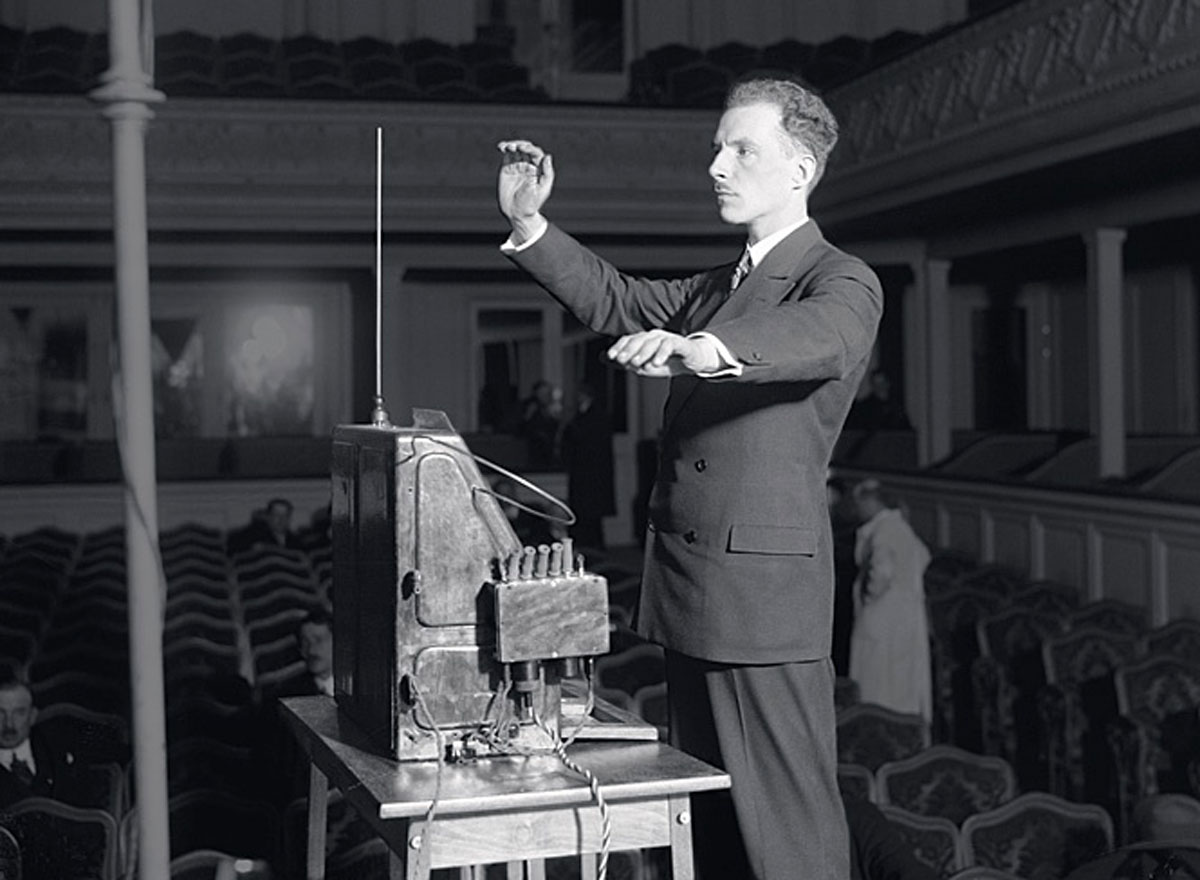
The Theremin family had French roots, and the name itself reached far back into history. Among Lev Theremins ancestors were soldiers, clergymen, musicians, and artists. In the scientist and inventor himself, two rare gifts came together with extraordinary force: the mind of a physicist and the soul of a musician. He belonged to that unusual kind of person for whom science, art, technology, and imagination were never separate worlds.
More details
Yelp San Francisco office

Yelp San Francisco office

A vertical campus inside a historic tower

A technology company office is no longer simply a place filled with desks, monitors and meeting rooms. In the best projects, a workspace becomes a physical expression of company culture: it shows how people communicate, where ideas are born, how freely teams move between one another and what kind of atmosphere the brand wants to create around itself. That is why Yelp San Francisco office, designed by Studio O+A, is interesting not only as a beautiful interior, but as an example of how a technology company can turn a historic tower into a living modern campus.
More details
Google Amsterdam office

Google Amsterdam office

When a corporate interior becomes brand storytelling

A good office is no longer just a collection of desks, meeting rooms and coffee machines. This is especially true for companies that sell not only products, but also their own culture. In such spaces, the interior becomes a language: it tells us where the company came from, how it thinks, how it treats people and what kind of atmosphere it considers productive. That is why Google Amsterdam office, designed by D-DOCK, is interesting not only as a vivid example of creative workplace design, but also as an almost museum-like story of how a garage-born startup became a global technology empire.
More details
One of Worlds largest Google offices

One of Worlds largest Google offices

When the workplace becomes architecture of experience

When people talk about Google offices, they usually mention bright sofas, free cafés, game rooms and the famous corporate culture in which work seems to continue the spirit of a university campus. But the most interesting Google offices have long moved beyond the simple idea of an “office with perks.” They have become laboratories of a new kind of work environment - places where architecture, design, technology, food, rest and informal communication merge into one system. One of the strongest examples of this approach is in Dublin.
More details
The Dropbox office without a single private office

The Dropbox office without a single private office

How tech companies turned the workplace into culture

The office of the future was once imagined as a place without walls, without executive suites and without heavy corporate hierarchy. Space was supposed to function not as a collection of rooms, but as a living system: for focus, meetings, quick ideas, spontaneous conversations, rest and a sense of belonging to a team. One of the clearest symbols of this era was the Dropbox office in San Francisco - a project in which architecture, design and corporate philosophy were brought together in one large experiment about how work inside a technology company should feel.
More details
20 rules of time management

20 rules of time management

Time rarely disappears all at once. More often, it dissolves in small decisions: postponing a difficult conversation, opening your phone for five minutes, starting the day with a secondary task, agreeing to one more meeting, checking again what is already good enough. Time management is not about turning life into a schedule measured by the minute. It is about a more honest question: what do you actually consider important, and are you willing to protect it from everything else?
More details
Russian Advertising Magazine
Russian Flyers
Mobile Spravochnik Apps
Stunning Media - SEO, Web Design, Maps Marketing, Video and Content Production