

BMW iX3 vs Tesla and Rivian
BMW reaches a new level
We have already covered the new Mercedes-Benz GLC EV — Stuttgarts second major push into the premium electric crossover market, where the emphasis is placed on multi-agent artificial intelligence and a renewed design philosophy. Now it is Munichs turn. BMW is also entering the arena with its own second attempt: the new iX3, built on the revolutionary Neue Klasse platform. And while Mercedes is focusing on AI and user experience, BMW is responding with record-setting energy efficiency, zonal architecture, and charging performance comparable to Tesla and Rivian.
BMW’s electric vehicles have always been good. But now, everything has changed: with a range of 400 miles (645 km), zonal architecture, and bidirectional charging, the new iX3 moves into an entirely different league.
Forget the “old” BMW EVs
Until now, BMW’s electric vehicles have enjoyed a quiet but confident success. The iX, i4, i5, and i7 proved that a traditional automaker could move into electric mobility without losing its DNA. But the new iX3 is something else entirely. It is not merely a continuation — it is a genuine step into the future. Even the impressive i4 and i7 seem almost modest next to what this new model can do.
At first glance, it simply carries a familiar name. But this iX3 has nothing in common with the previous generation, which was limited in range and offered only rear-wheel drive. This is the first electric vehicle built on BMW’s new Neue Klasse platform — a platform that feels closer to Tesla or Rivian thinking than to the old-school electric experiments of legacy automakers.
On paper, it looks remarkably convincing. BMW promises up to 805 km on the European WLTP cycle and about 400 miles under American EPA standards. Fast charging at up to 400 kW, bidirectional power capability that can run devices or even help power a home, and zonal electrical architecture with powerful computing units all place the iX3 firmly in the top tier.
Neue Klasse: the birth of a new generation
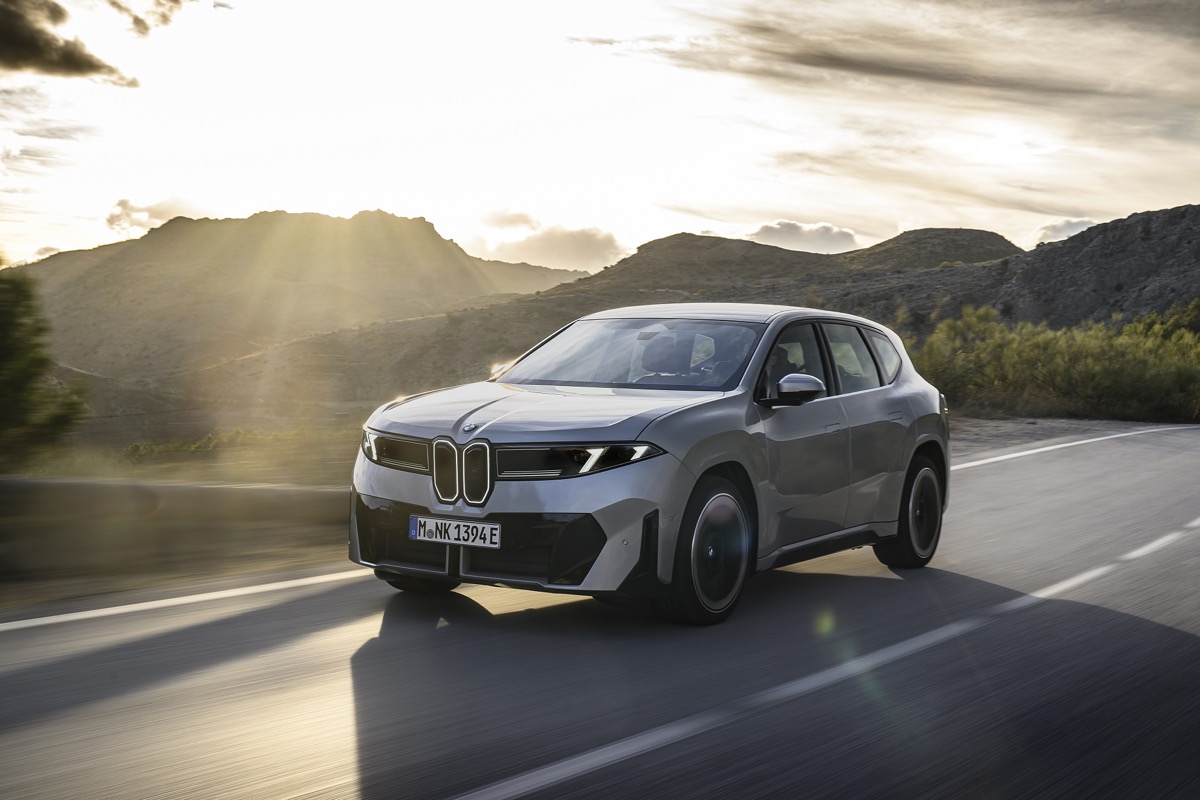
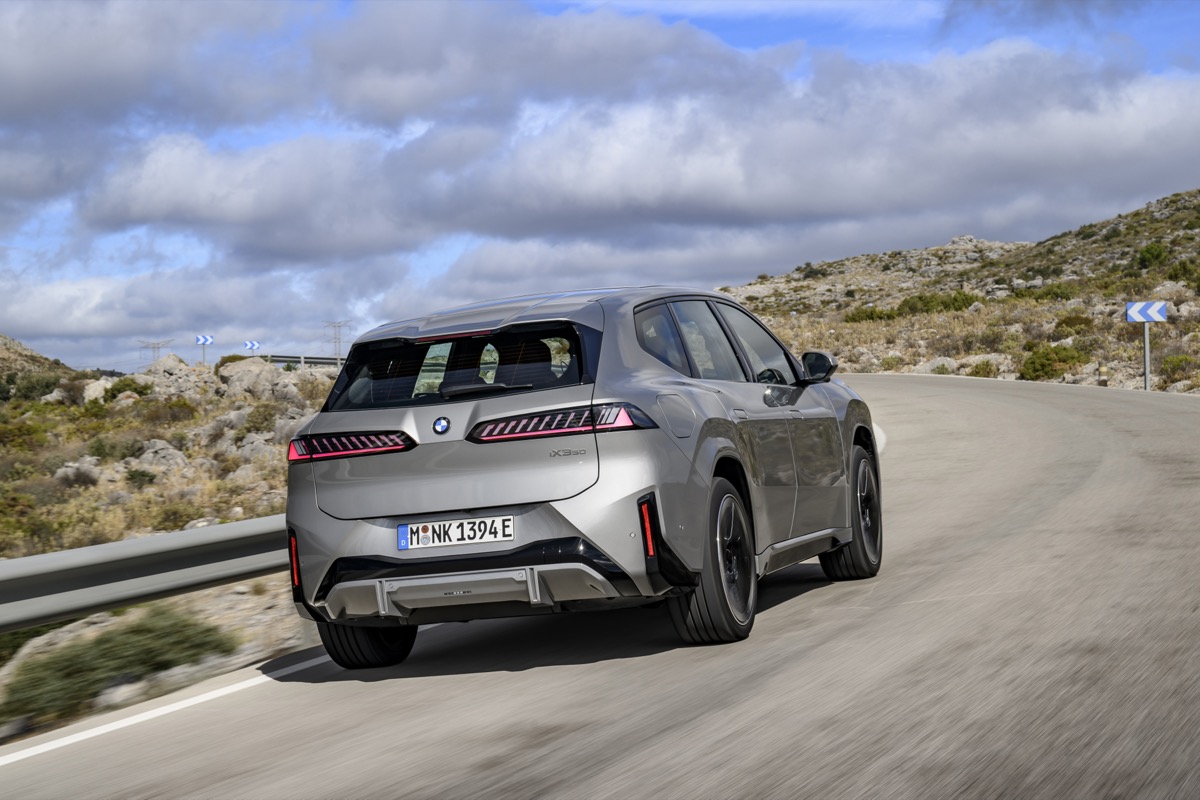
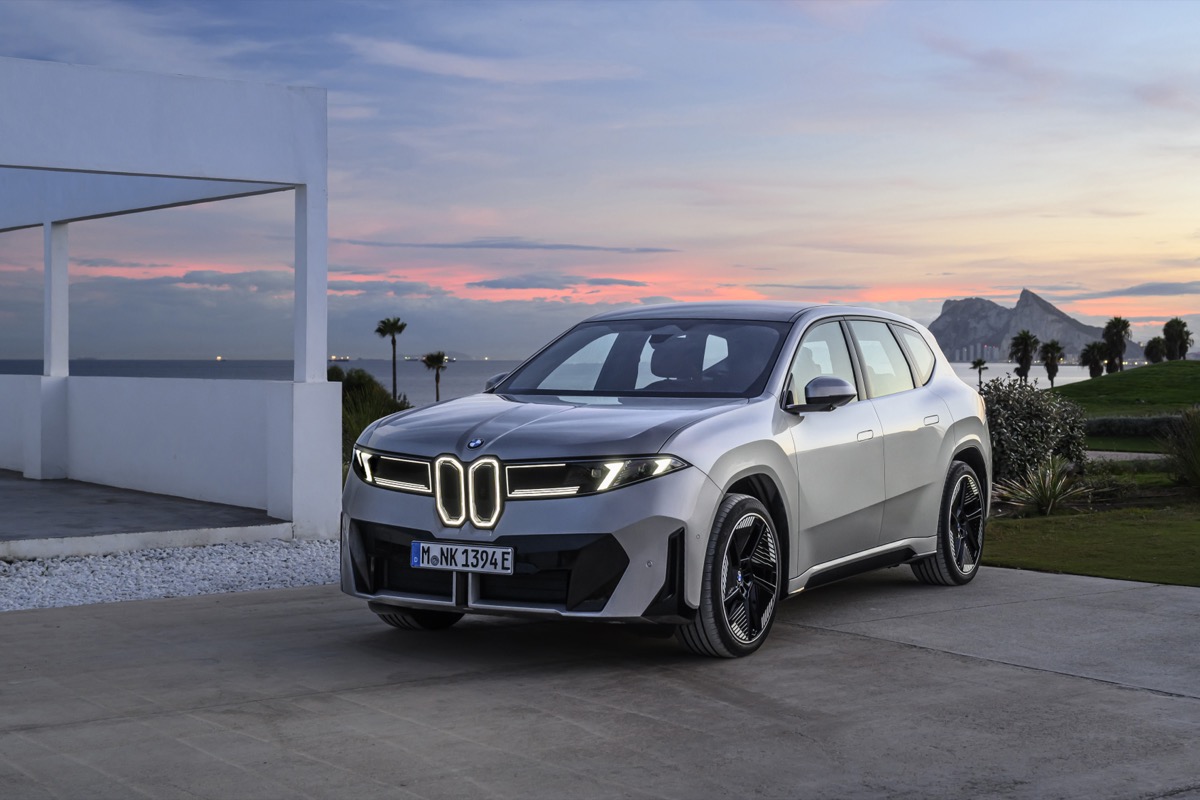
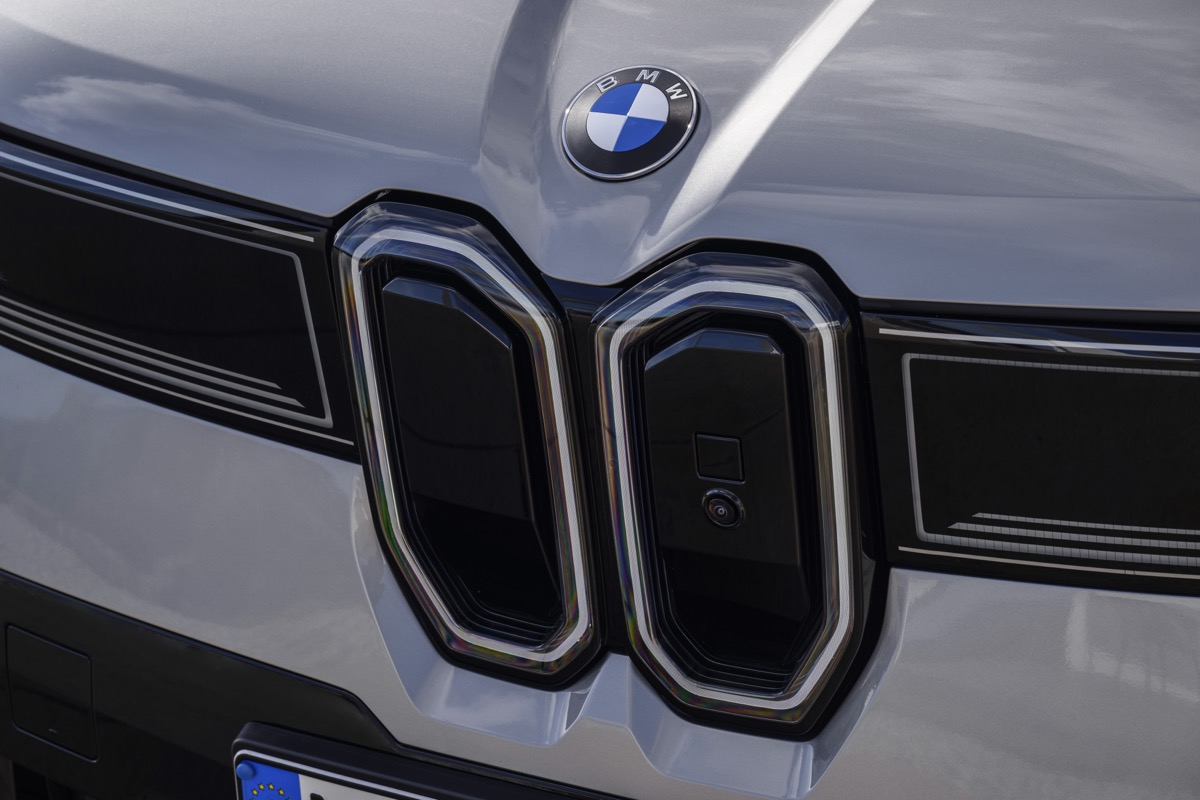
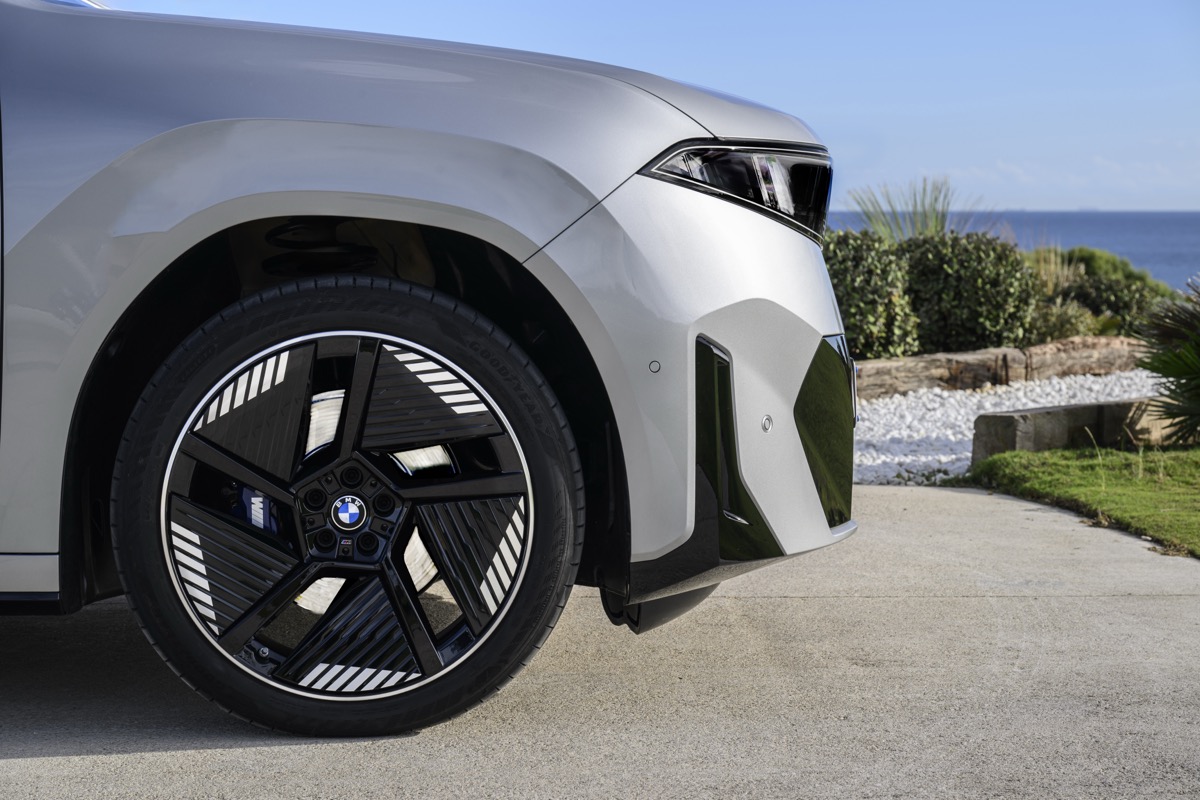
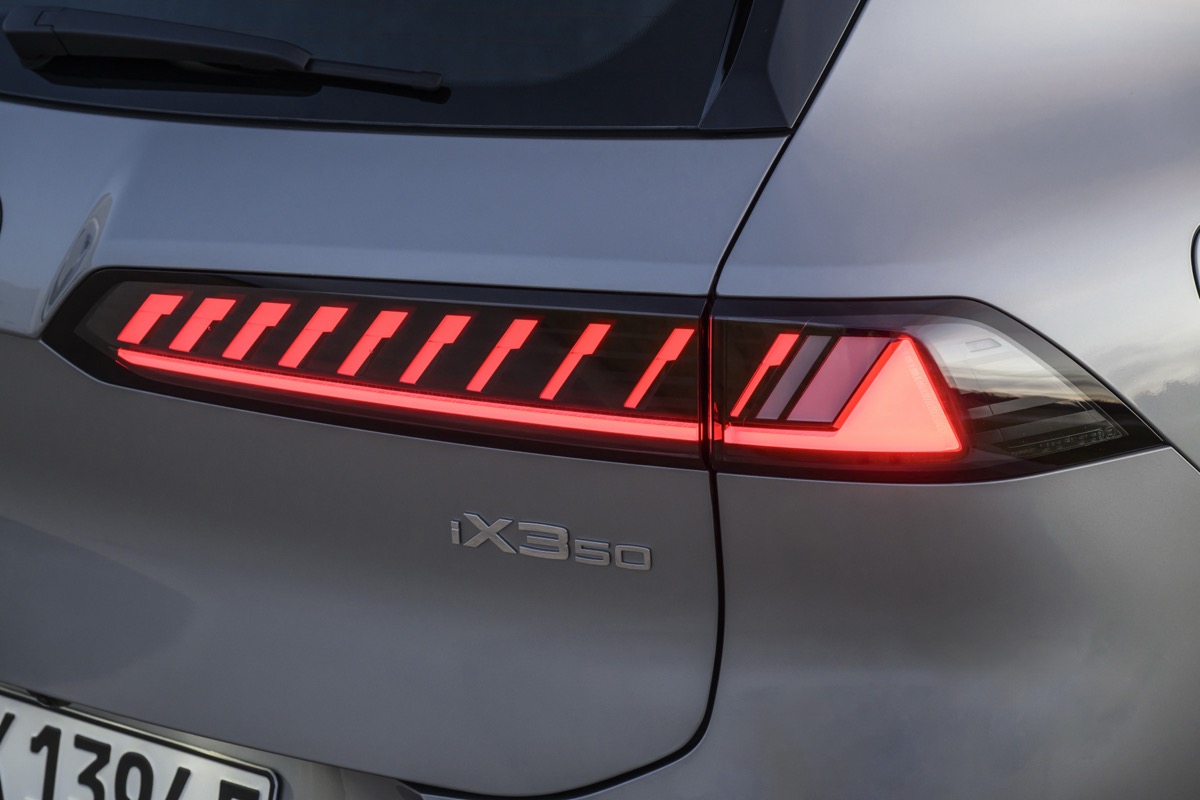
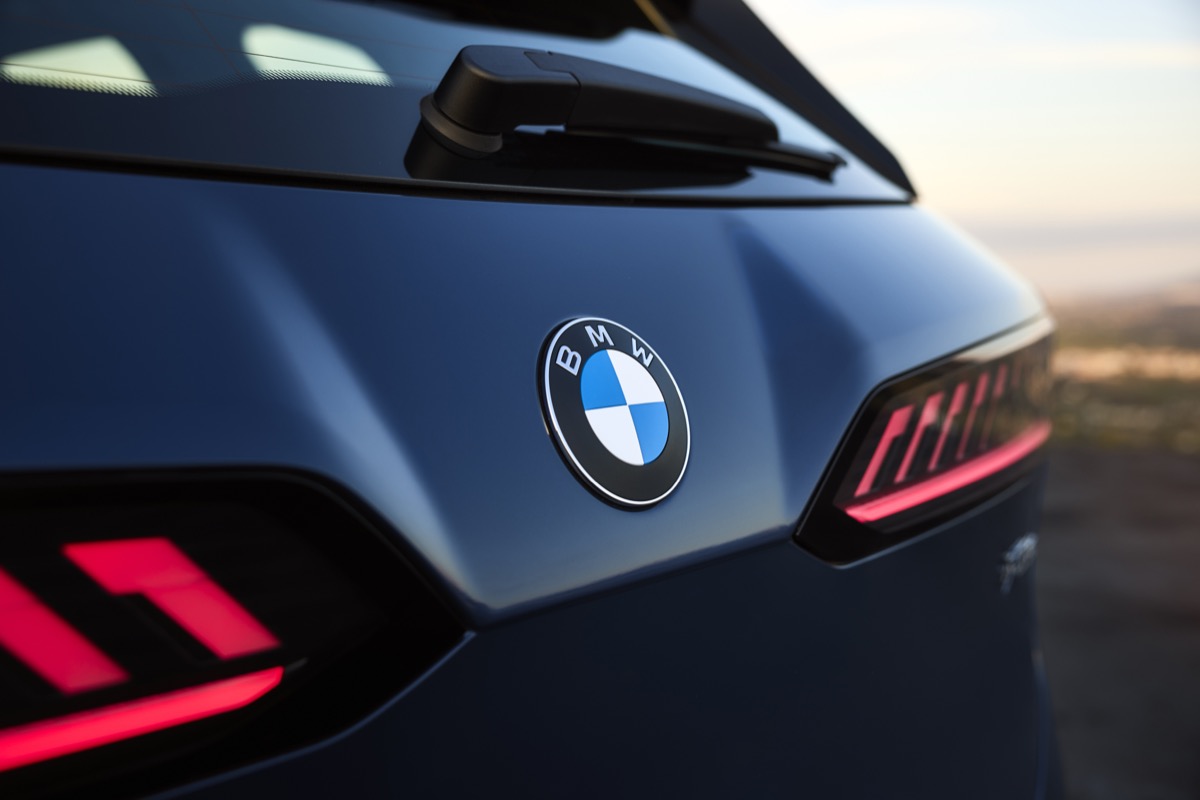
The name and design of the iX3 reflect a broader modern trend: electric vehicles are becoming normal. BMW has long followed the strategy of creating “the same car, but electric,” and this new crossover confirms that approach. From the outside, it looks unmistakably like a BMW — clean, assertive lines, LED lighting, and strong proportions. Only the absence of exhaust pipes gives away its true nature.
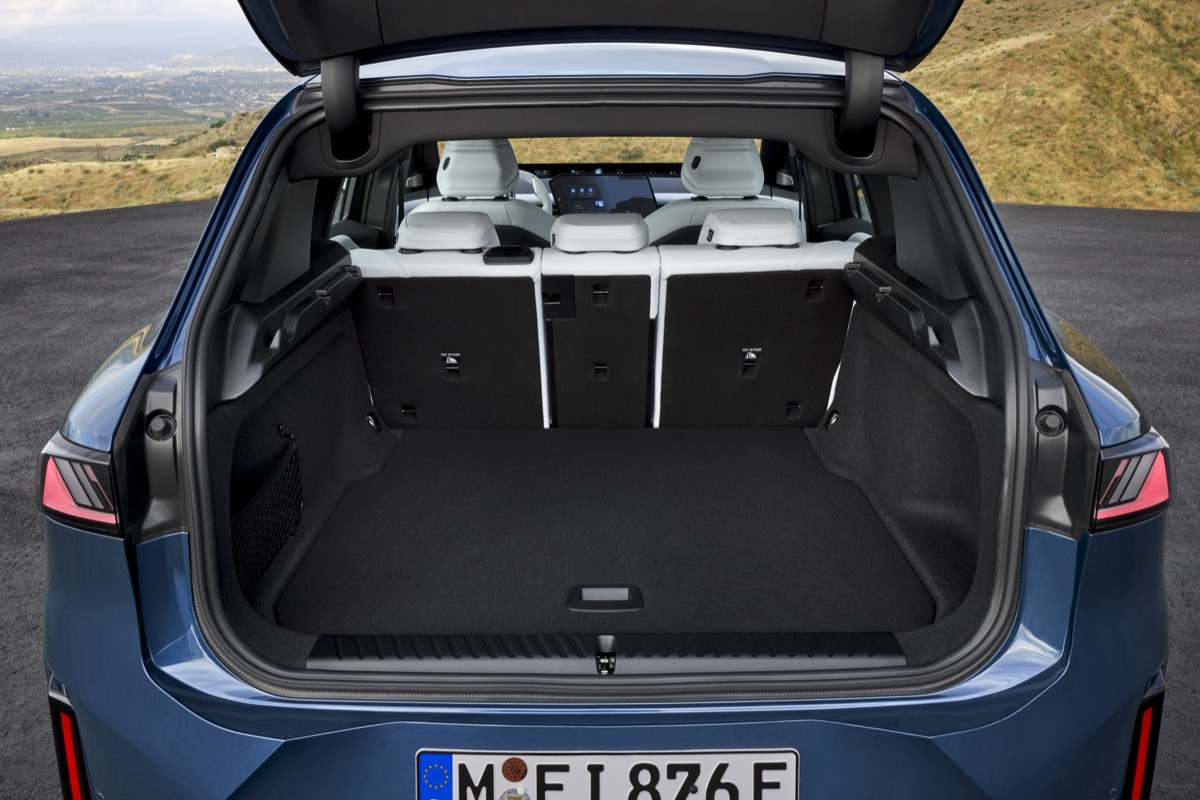
Interestingly, the iX3 may even be more attractive than the current gasoline-powered X3, although the two are not technically related. In terms of size, however, they are almost twins.
Inside and underneath, everything is different. This is the first vehicle on the Neue Klasse platform — a ground-up 800-volt architecture. At its core is a zonal system similar to those used by Tesla, Rivian, and leading Chinese manufacturers.
The iX3 is controlled by four “superbrains” — powerful computers responsible for the powertrain and driving dynamics, automated driving and assistance systems, general software, and multimedia. The vehicle is designed for continuous over-the-air updates.
According to BMW, this architecture reduces wiring by 600 metres, cuts energy consumption by 20%, and significantly lowers weight. That means not only better efficiency, but also lower production costs — one of the keys to making future EVs profitable.
Instead of hundreds of scattered control units, as in most vehicles, there are now several powerful computers. This simplifies updates and opens the way to more flexible development. The iX3 also uses more recycled materials, from the interior to the production chain, allowing it to equal the carbon footprint of a gasoline-powered X3 after just one year of use.
Electric performance
But what is the point of a BMW if it does not deliver emotion? The new iX3 handles that part as well. The version for America receives a 108 kWh usable battery and two electric motors with a combined output of 463 hp and 645 Nm of torque. Acceleration from 0 to 100 km/h takes 4.7 seconds. A more affordable single-motor rear-wheel-drive version will arrive later. A range of 400 miles under EPA standards places the iX3 in an elite club alongside the Lucid Air, Tesla Model S, Mercedes EQS, and other top EVs.
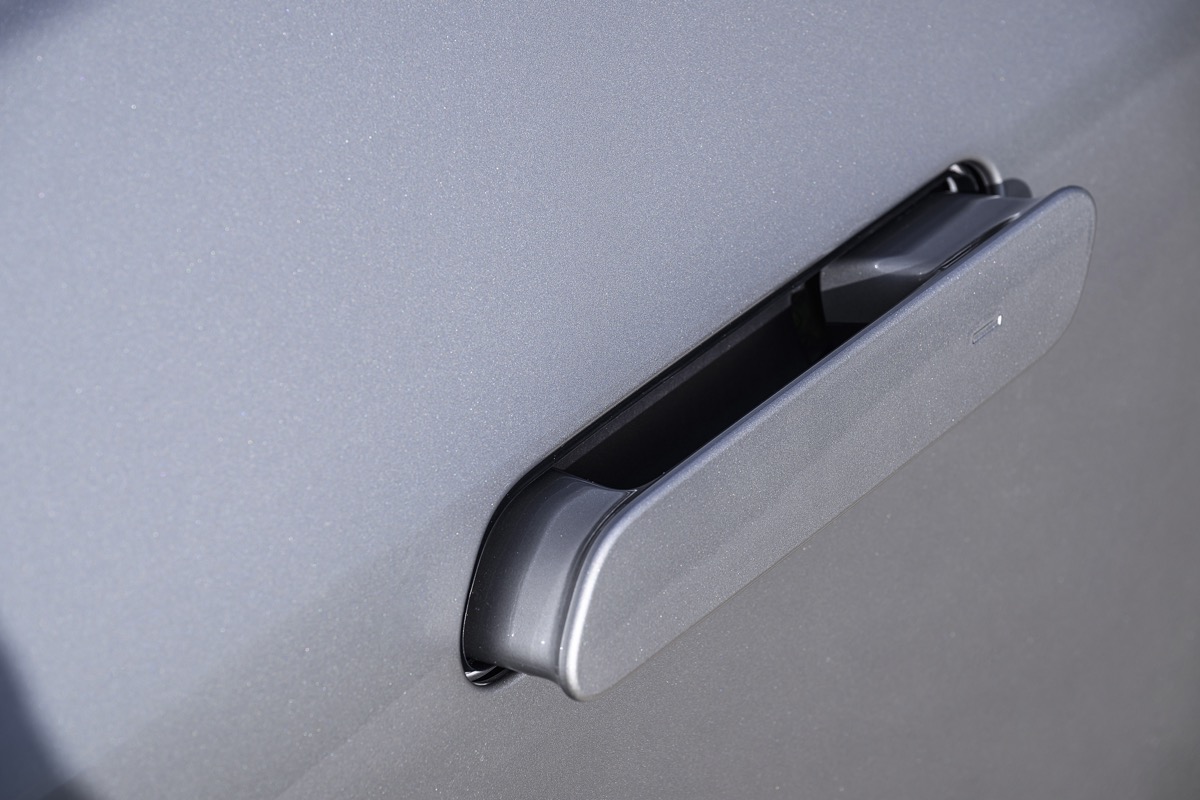
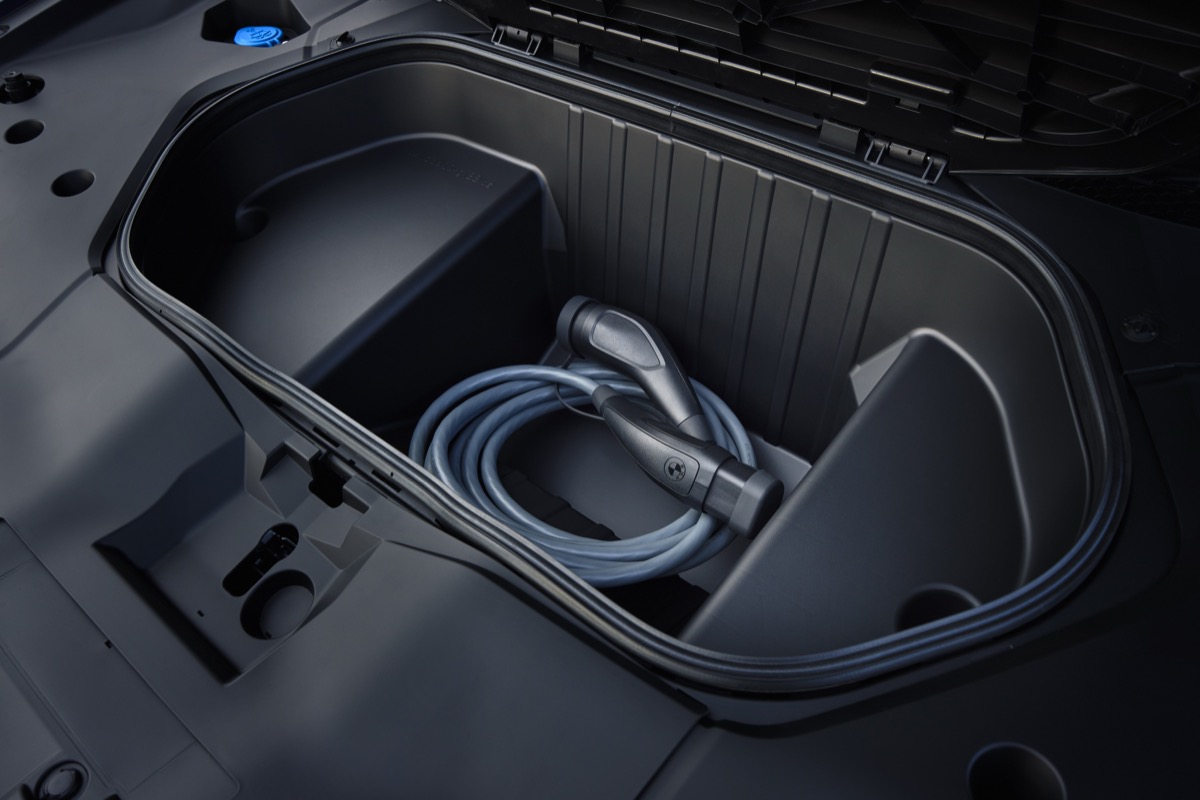
Even more impressive is the charging. The iX3 supports an exceptional 400 kW at fast-charging stations, similar to the Lucid Gravity. On an 800-volt DC fast charger, it can charge from 10 to 80% in 21 minutes or add 370 km of range in just 10 minutes. These figures place the iX3 alongside the Porsche Macan Electric and other premium charging champions. In addition, the iX3 will receive a NACS connector with access to Tesla’s Supercharger network. The charging flap, assisted by AI, can determine on its own when it needs to open.
Interior and technology
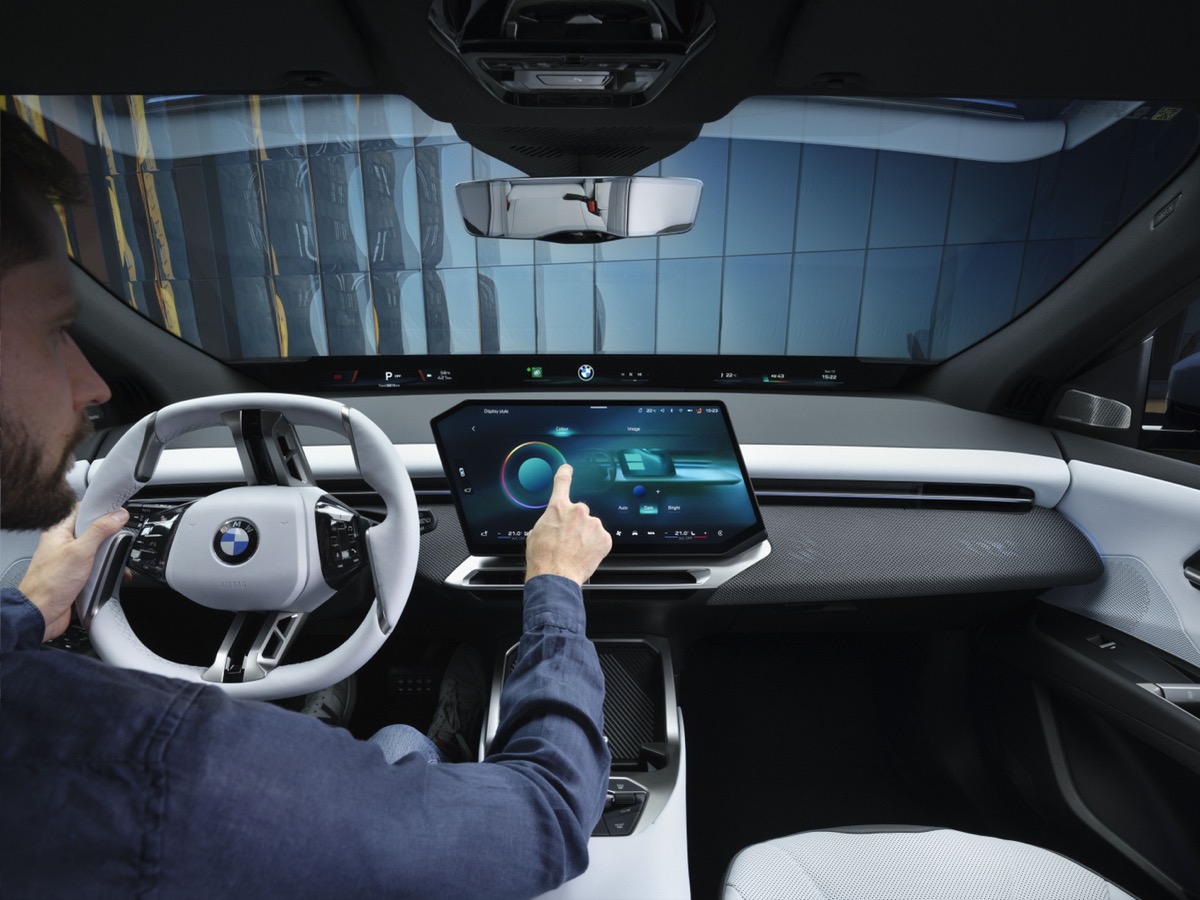
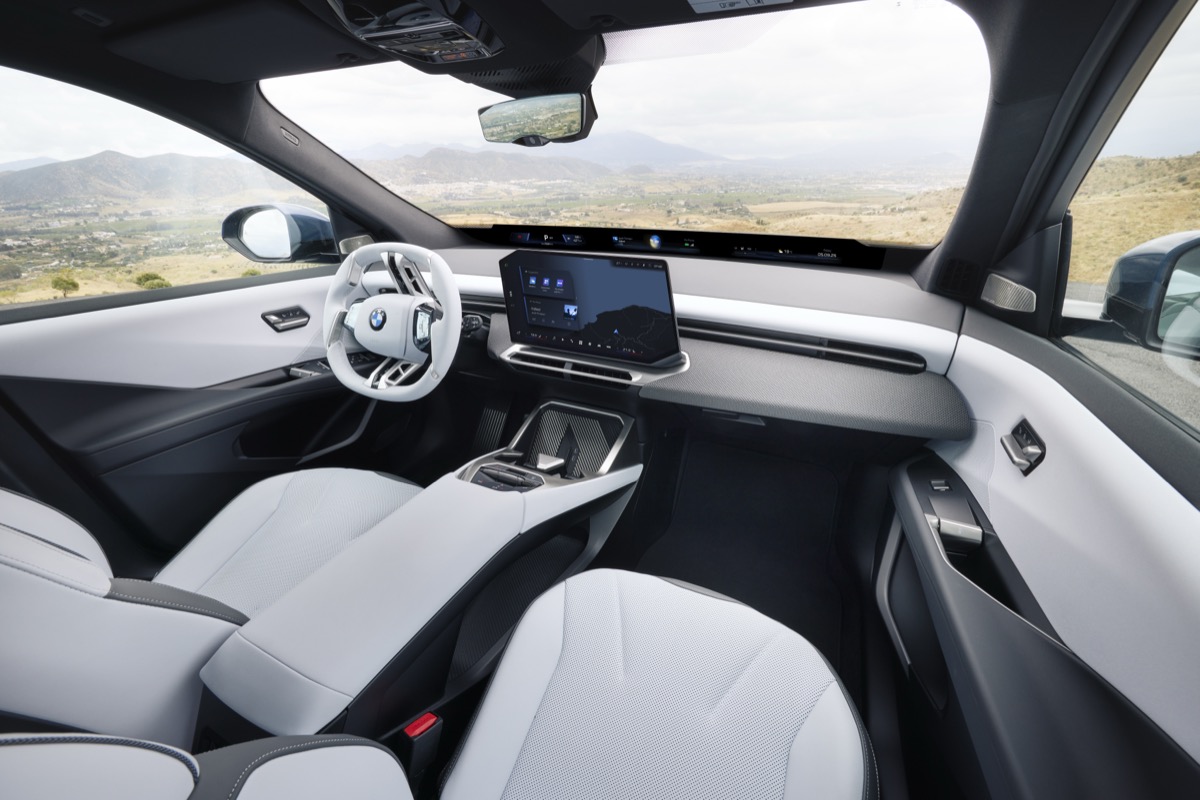
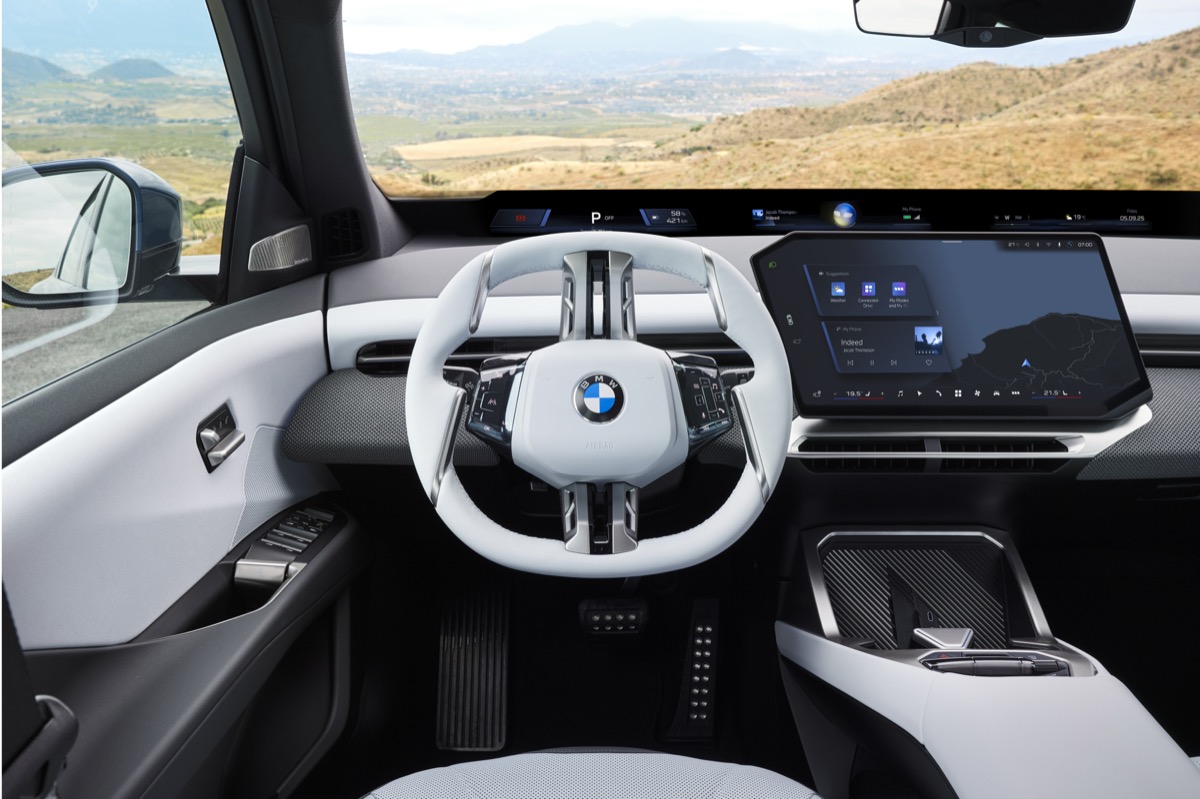
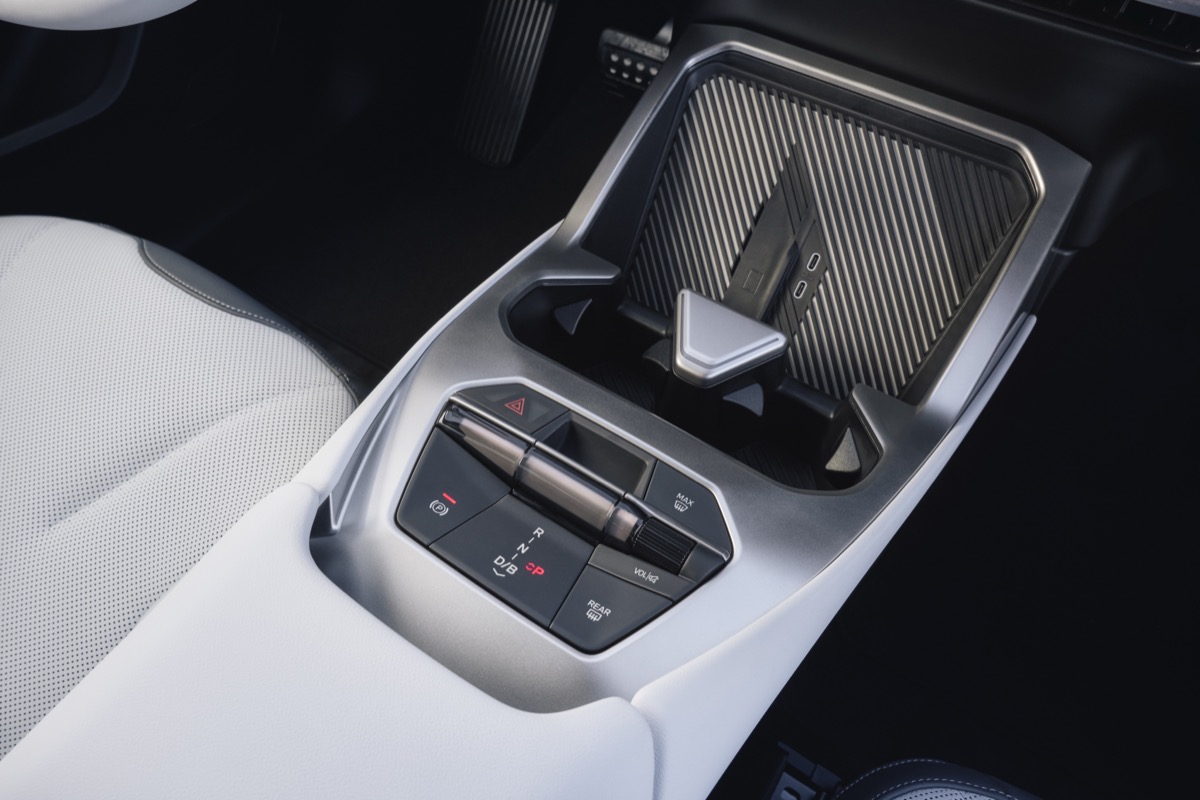
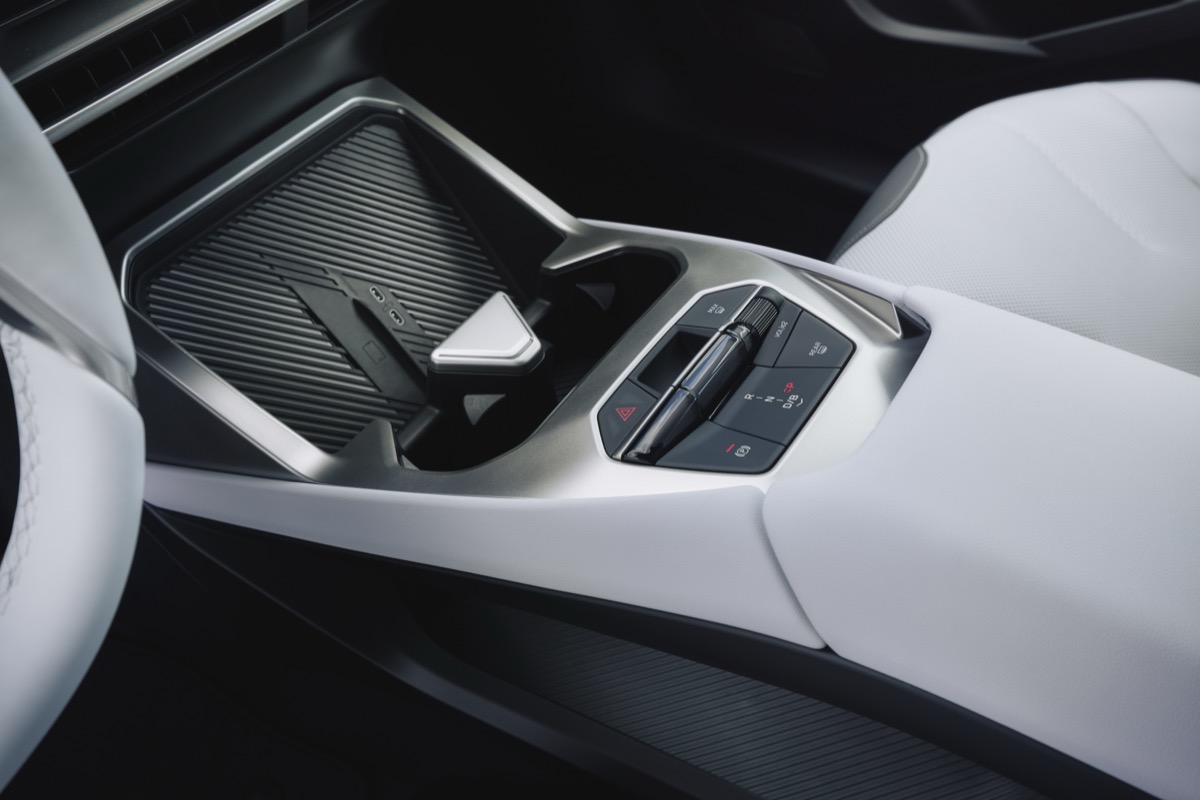
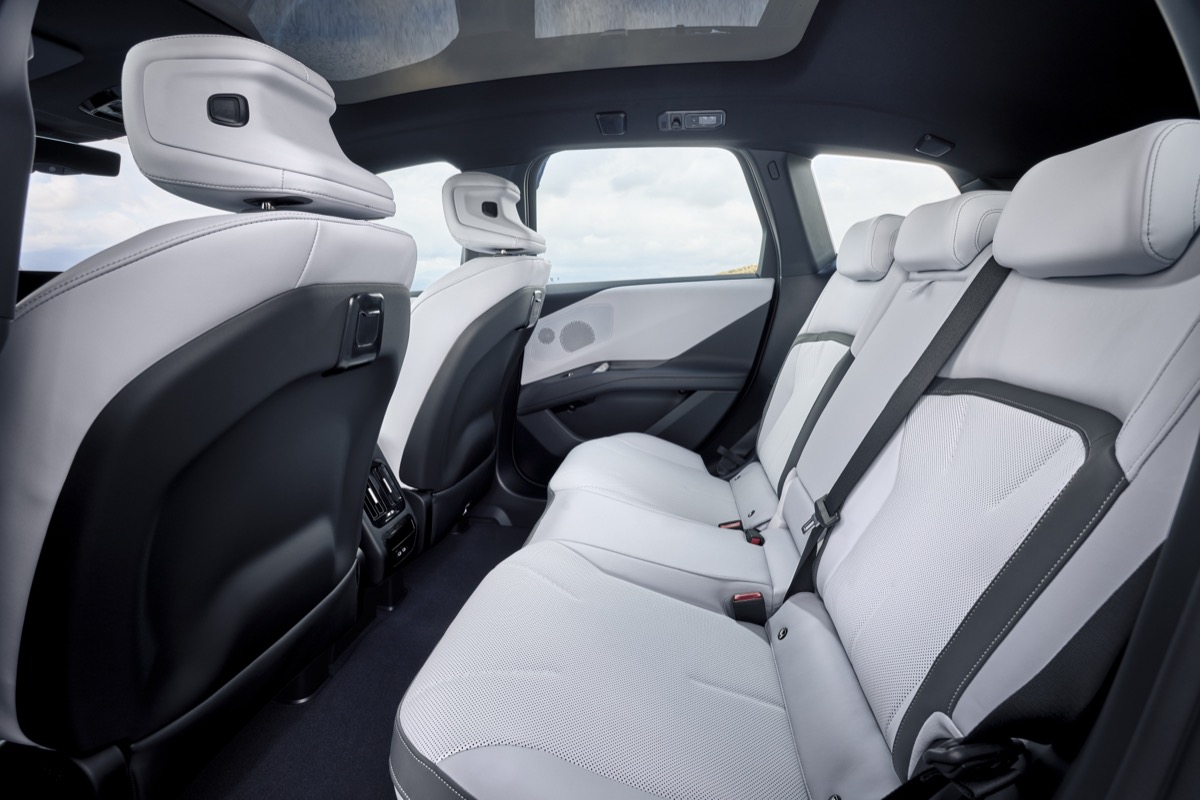
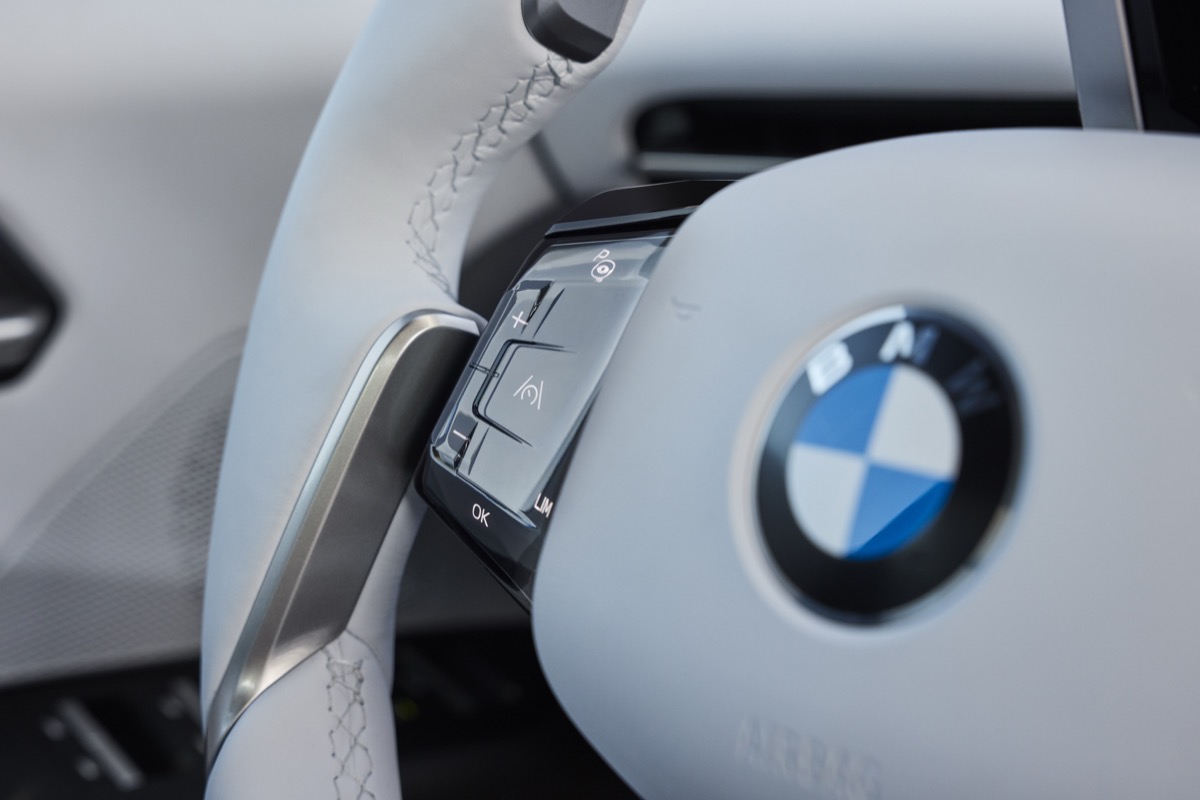
Inside, there is no shortage of innovation. A 17.9-inch central display works together with the new BMW Panoramic iDrive system and BMW Operating System X. The driver can fully customize the interface. At the same time, physical controls remain in the cabin, especially on the steering wheel, which features haptic feedback. Voice control now manages not only multimedia functions, but also climate control, windows, and seats.
One of the key features is an intelligent digital companion. It learns the owner’s habits and begins offering suggestions on its own. If the driver rejects those suggestions, the system “remembers” this and stops pushing them.
Journalists who tested the system in Germany note that the interface was clearly designed by people who enjoy driving. Most functions are arranged in a way that helps reduce distraction from the road.
Price
Considering its specifications and technology, it is surprising that the iX3 is relatively accessible at launch. In the United States, the dual-motor iX3 50 xDrive will start at $60,000. That is less than the gasoline-powered X3 M50 xDrive and well below the expected $75,000–$80,000 range.
BMW is bringing this model to market at a difficult moment: EV tax incentives are disappearing, and production in Hungary does not qualify the vehicle for American subsidies. Even so, if the price remains comparable to gasoline-powered versions, buyers will have a strong reason to switch to electric.
For BMW, this is critically important for another reason as well: Chinese brands are aggressively pushing European automakers out of both China and Europe. The competition will be fierce, but the iX3 looks like a more than credible answer.