
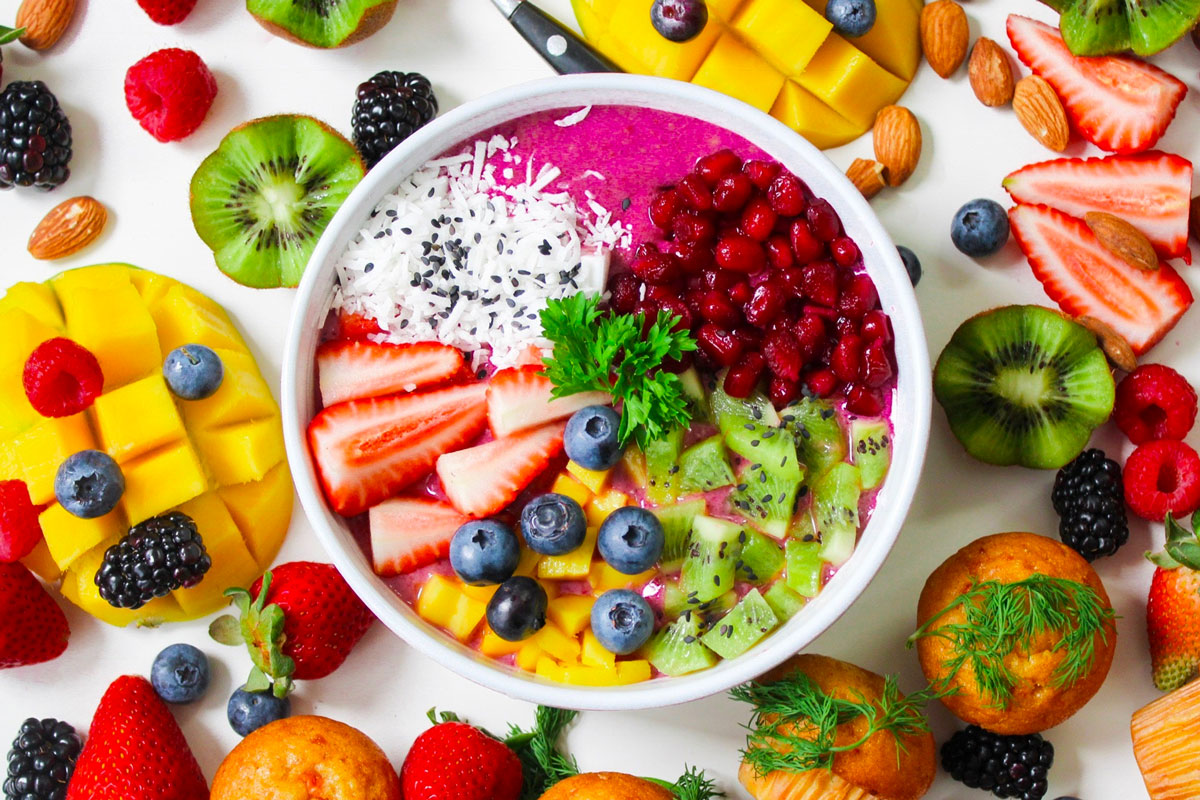
What do the most influential people in the world eat for breakfast
If becoming a billionaire has not quite worked out yet, you can at least start the morning like someone used to making big decisions. And you do not need a private kitchen, a personal chef or rare superfoods to do it. The breakfasts of famous entrepreneurs, executives and public figures often surprise not with luxury, but with simplicity: muesli, eggs, oatmeal, yogurt, tea, coffee, sometimes even cereal — or no breakfast at all. That may be the most useful lesson: the morning ritual of a successful person rarely looks like a perfect image from a wellness magazine. More often, it is something convenient, familiar and realistic enough to fit into an actual schedule.
Scientists still debate whether breakfast should truly be called the most important meal of the day. For some people, it helps stabilize energy and prevents overeating later. For others, it is simply not an essential part of the morning. Still, many successful people do have a morning ritual of some kind: sometimes healthy, sometimes strange, sometimes completely ordinary. So what do they eat — or not eat — in the morning?
Richard Branson, founder of Virgin Group, often starts the day with a simple and light breakfast: muesli, fruit salad, sometimes oats and tea. For him, breakfast is not only about food, but also part of the family rhythm. Branson has often emphasized that he tries to spend this time with loved ones, which means his morning begins not with luxury, but with energy, conversation and familiar structure.
Cheryl Bachelder, former CEO of Popeyes Louisiana Kitchen, chose breakfast depending on the circumstances. At home, it might be cracked wheat cereal; while travelling, it could be a heartier plate of bacon, eggs, toast and, of course, coffee. Her breakfast shows the reality of people with demanding schedules: the perfect routine does not always exist, but the ability to adapt does.
Justin Timberlake, singer and actor, told Bon Appétit that on mornings when he trains, he effectively eats two breakfasts. Before the workout: waffles with flaxseed and almond butter, plus a scrambled egg. After the workout: another egg or a protein shake. His approach is not about asceticism, but about balance: if the body is working hard, it needs both fuel and recovery.
Jack Dorsey, co-founder of Twitter and Block, is known for his unusual relationship with food and routine. At different times, he has described minimalist eating habits and restricted eating windows. One version of his morning meal has been two hard-boiled eggs with soy sauce. It is a breakfast very much in Dorsey’s style: extremely simple, almost ritualistic and stripped of unnecessary detail.
Donald Trump is not known as a fan of heavy breakfasts. Over the years, he has said that he usually does not eat much in the morning, though he may choose eggs with bacon, cereal or something very simple. Former staff have also said that he sometimes asked for an Egg McMuffin. In his case, breakfast feels less like a carefully designed nutrition system and more like an extension of personal taste: fast, familiar and without culinary complication.
Kelly Ripa, host of Live, long preferred not to eat before finishing her morning broadcast. Before the show, she would rely on coffee — such as a strong cappuccino or latte — and then, after the program, have yogurt with granola. This is a classic example of a breakfast shaped not by dietary theory, but by work rhythm: first the show, then the food.
Jeff Bezos, founder of Amazon, once admitted that his morning used to begin with an entire tube of Pillsbury biscuits, sometimes with butter. The habit ended after his wife suggested that he read the ingredient list carefully. The story is funny, but revealing: even people who build some of the world’s largest companies do not always begin the day with perfect nutrition.
Brad Smith, former CEO of Intuit, chose a protein shake after his morning workout and then headed to the office. This is one of the most predictably “corporate healthy” options: exercise, protein, work. No romance, but plenty of practicality.
Ivanka Trump has described a family breakfast built around simple, healthy options for the children: Greek yogurt with berries or oatmeal with different toppings, such as chia seeds, flaxseed, goji berries, cinnamon, walnuts or almonds. She has also mentioned coffee and lemon water. This is a classic modern wellness-style breakfast: varied textures, some protein, some fibre and a visually pleasing presentation.
Bill Gates once told high school students that he likes Cocoa Puffs, the crunchy chocolate cereal. But Melinda Gates has added that in practice, he often skips breakfast altogether. This may be one of the most honest examples: not every successful person starts the morning with an ideal plate. Sometimes they start it with work.
Sundar Pichai, CEO of Google and Alphabet, prefers a calmer and more straightforward morning ritual: tea, an omelette and toast. He has explained that tea is an important part of his morning, while the omelette helps him get protein. There is nothing extravagant about this breakfast, but there is balance: habit, warmth, simplicity and enough energy to begin the day.
Elon Musk, head of Tesla and SpaceX, often skips breakfast. But when he does eat in the morning, he usually chooses something quick and simple — coffee, an omelette, sometimes eggs or a heavier option depending on his schedule. In his case, breakfast is clearly not the central ritual of the day. Work comes first, and food adapts to the pace.
Vladimir Putin, according to published profiles, usually eats breakfast relatively late. His morning menu has been described as including a large omelette or porridge, cottage cheese, quail eggs and juice. After breakfast, he may drink coffee. Unlike the fast breakfasts of technology entrepreneurs, this version feels more traditional: substantial, calm and almost old-fashioned.
What do all these breakfasts have in common? Not a secret formula for wealth, and not a magic ingredient that makes a person successful. Rather, it is the habit of a repeatable ritual. Some choose oatmeal, some eggs, some coffee, and some do not eat in the morning at all. But for almost all of them, breakfast — or the absence of breakfast — is built into a personal system for the day.
And that may be the most useful conclusion. The breakfast of a successful person does not have to be expensive, complicated or fashionable. It should fit your body, your schedule and your level of energy. If you need protein in the morning, choose eggs, yogurt or a protein shake. If you want something lighter, choose fruit, muesli or oatmeal. If you are not hungry, do not turn breakfast into an obligation simply because it is supposed to be important. The point is not to copy someone else’s plate, but to find your own morning rhythm — one that helps you begin the day focused, calm and without unnecessary chaos.