
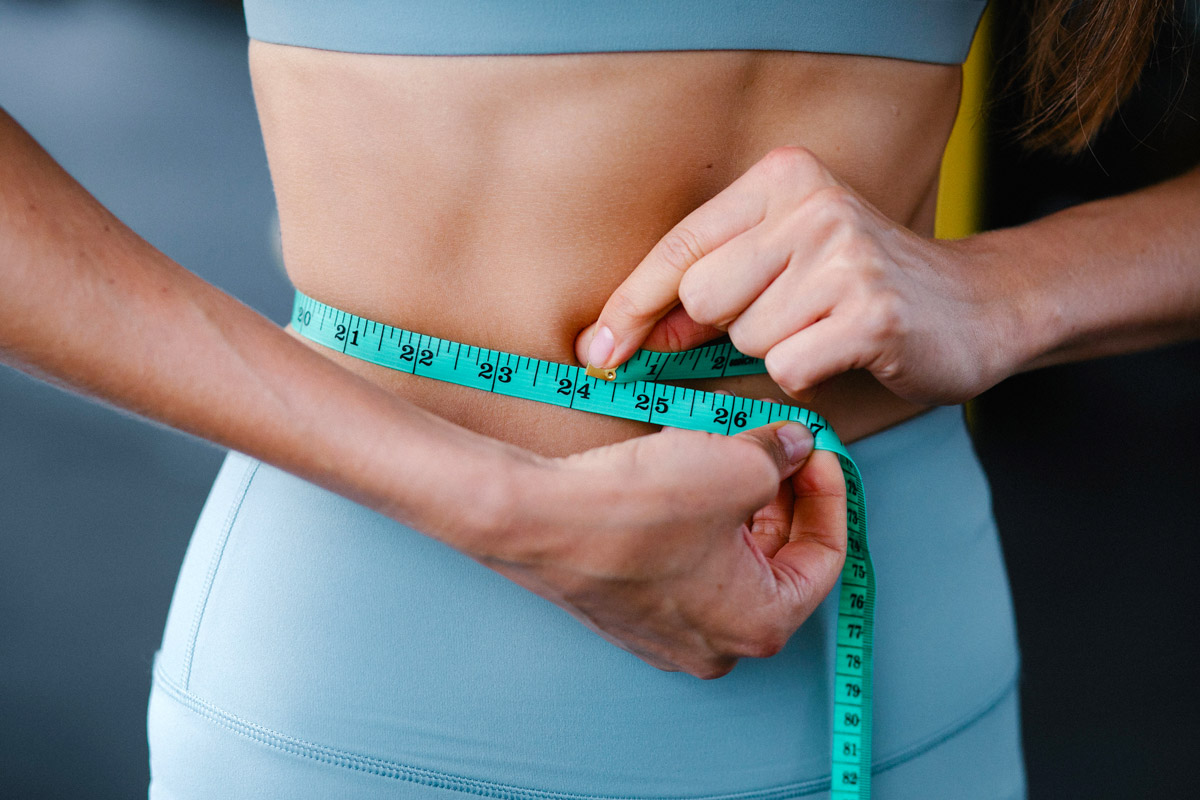
How to lose weight properly after 40
Excess weight is not a matter of weak willpower, and it is not something to joke about. It is a condition that affects health, energy, self-esteem, mobility and quality of life. This becomes especially important after 40, when the body changes, muscle mass gradually declines, hormones become less predictable and the old strategy of just eating less often stops working. That is why any conversation about weight loss should not be about punishing yourself with diets, but about restoring metabolic health, strength and inner control.
The familiar joke that “there should be a lot of a good person” may sound harmless, but the reality is much more serious. Excess weight and obesity are linked to a higher risk of type 2 diabetes, high blood pressure, fatty liver disease, cardiovascular disease, joint problems, sleep disorders and certain types of cancer. Fat around the abdomen — so-called visceral fat — is especially important because it surrounds internal organs and is closely connected with metabolic risk.
The main reason to lose weight is not to meet someone else’s beauty standard. The main reason is health. When the burden on the body decreases, it becomes easier to move, breathe, sleep, climb stairs, play with children, travel and simply live without a constant feeling of heaviness.
Excess weight often reduces mobility. It becomes harder to run, walk for a long time, climb stairs, exercise or spend active time with family. Physical activity, in turn, is essential not only for burning fat, but also for preserving muscle mass — especially after 40.
There is also an emotional side. Many people with excess weight feel uncomfortable with their bodies, avoid the beach, blame themselves for every extra bite and feel insecure in social or romantic situations. For women, there is another familiar problem: it can be difficult to find beautiful, modern clothing in the right size. Weight loss often restores not only health, but also a sense of freedom — in movement, in clothing choices and in one’s relationship with oneself.
Can you lose weight after 40?
Many women after 40 say they gain weight “just from smelling food.” There is some emotional exaggeration in this, but the problem is real. With age, the body does change: muscle mass gradually decreases, the proportion of fat tissue may increase, and resting energy expenditure often becomes lower. Metabolism is influenced by physical activity, nutrition, hormonal status, sleep, stress, medications, genetics and overall health.
The good news is that after 40, and even after 50, it is possible to lose weight successfully and improve metabolic health. But the approach must be sensible. The body needs not extremes, but a system: complete nutrition, enough protein, fibre, strength training, daily movement, proper sleep and stress management. There is no instant magic solution, but there can be a stable result if you act consistently.
How to start the weight-loss process
First, it is worth giving up extremely low-calorie diets. They often produce quick results on the scale, but they do not teach a person how to live differently. When food intake is restricted too sharply, the body may lose not only fat, but also muscle mass. The less muscle you have, the lower your overall energy expenditure becomes and the harder it is to maintain the result. This is why weight often returns after strict diets — sometimes with extra gain.
Second, physical activity should not be neglected. Strength training is especially important because it helps preserve and build muscle mass. Cardio is useful for heart health and energy expenditure, but without muscle, metabolic health suffers. After 40, the goal is not only to “burn calories,” but to keep the body strong, functional and resilient.
Third, nutrition should not simply mean “less.” It should mean better. The best approach is to choose whole foods that provide plenty of nutrients, protein and fibre without an excess of empty calories. This kind of food improves satiety, helps stabilize energy levels and reduces the constant desire to snack.
Top foods for supporting metabolism
Lean proteins. Turkey, chicken, fish, eggs, cottage cheese, unsweetened Greek yogurt and legumes. Red meat can be included in moderation. Protein helps maintain satiety and supports muscle mass.
Whole carbohydrates. Vegetables, fruit, buckwheat, whole oats, brown rice, quinoa and whole-grain bread in reasonable amounts. Unlike refined carbohydrates, these foods provide more fibre, minerals and steadier energy.
Fibre. Leafy greens, vegetables, berries, legumes, whole grains and fruits with the skin when appropriate. Fibre supports satiety, gut health and can be an important part of weight control.
High-quality fats. Olive oil, flaxseed, nuts, seeds, avocado and fatty fish. Salmon, sardines and flaxseed are rich in omega-3 fatty acids. Fats are necessary for the body, but the amount matters because they are calorie-dense.
Fermented foods. Plain yogurt without sugar, kefir, sauerkraut, kimchi and kombucha without excessive sugar. These foods can support dietary variety and microbiome health, although they are not a magic tool for weight loss on their own.
If the fight with excess weight keeps ending in frustration, it may be time to seek help from a professional: a physician, registered dietitian, nutrition specialist or well-trained naturopath. If simple advice such as “eat less and move more” always worked, most people would already have achieved the result on their own. In reality, it is more complicated.
General recommendations do not work equally well for everyone. People differ in hormones, stress levels, sleep, medications, eating habits, dieting history, thyroid function, insulin resistance and lifestyle. The human body is too complex to solve years of accumulated problems by replacing one food or following one fashionable diet. Restoring metabolic health requires a comprehensive approach.
A program for weight loss and metabolic recovery
This kind of approach is at the heart of the Metabolic Balance program. Developed in Germany, the system is based on an individualized nutrition plan. For each participant, the plan is created using laboratory blood markers, a health questionnaire, medications, lifestyle and personal goals.
The idea of the program is not simply to cut calories sharply, but to select nutrition that helps the body receive the nutrients it needs, stabilize energy levels and support healthier metabolism. When the eating plan better matches a person’s needs, it becomes easier to control appetite, lose weight and maintain results.
The nutrition plan is not a short-term diet, but a system for selecting foods and structure in a way that is balanced in nutrients. The goal is not starvation, but improved metabolic balance, better support for normal insulin function and a more efficient body.
A metabolic recovery program is a comprehensive approach to health. Beyond nutrition, it is important to understand which physical activity suits you, how to improve sleep, how to stabilize energy levels and how to build a routine that can be maintained not for two weeks, but for years.
Over the past decades, people in Europe, the United States, Canada and other countries have participated in the Metabolic Balance program. Studies and observations have shown that many participants lost weight, improved certain blood markers and reported better quality of life. But it is important to understand that results depend on starting health, consistency, medical factors and a person’s willingness to truly change habits.
You can learn more about the Metabolic Balance program during a free consultation with a nutrition specialist and certified consultant.
The best time to begin is not when the “perfect moment” appears, but when you honestly understand that you want to regain energy, health, lightness and confidence. Beach season may be a good reason to start, but the real goal is much more important: to feel better not only in summer, but every day.