
Lincoln Road: The street that refused to end
How Lincoln Road became the most complicated mile
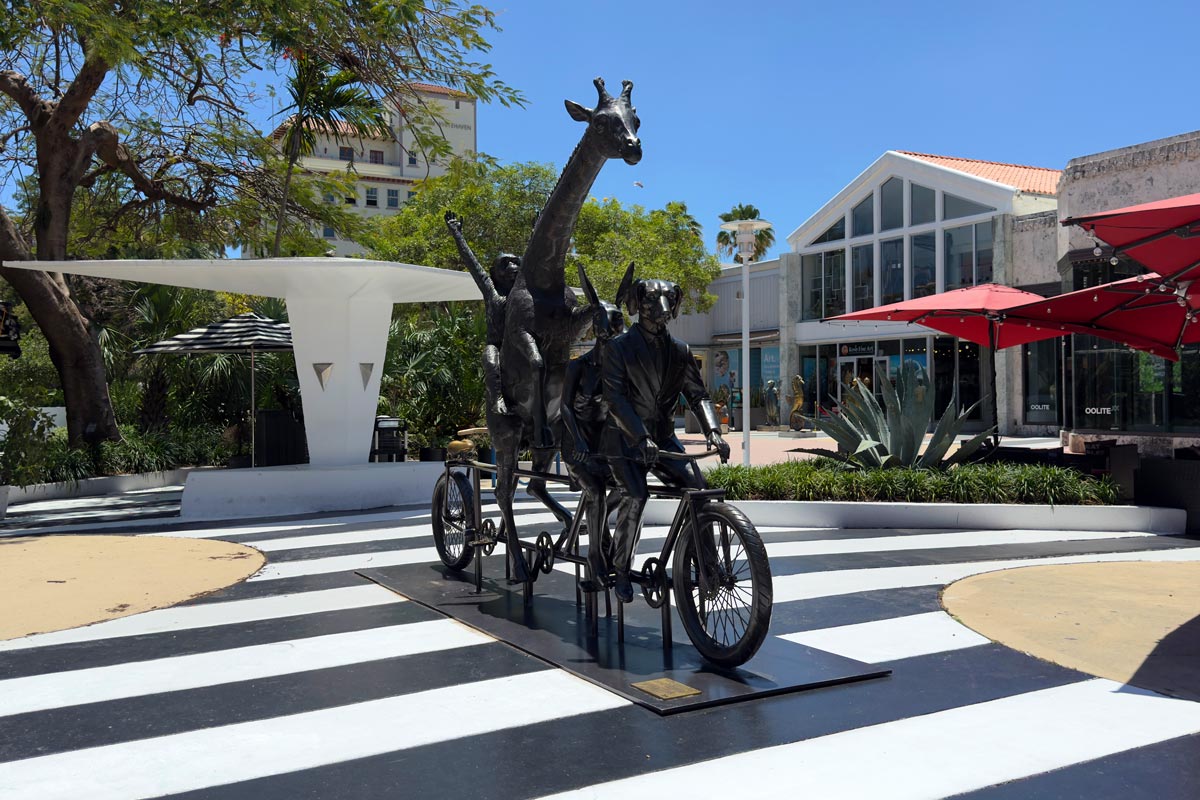
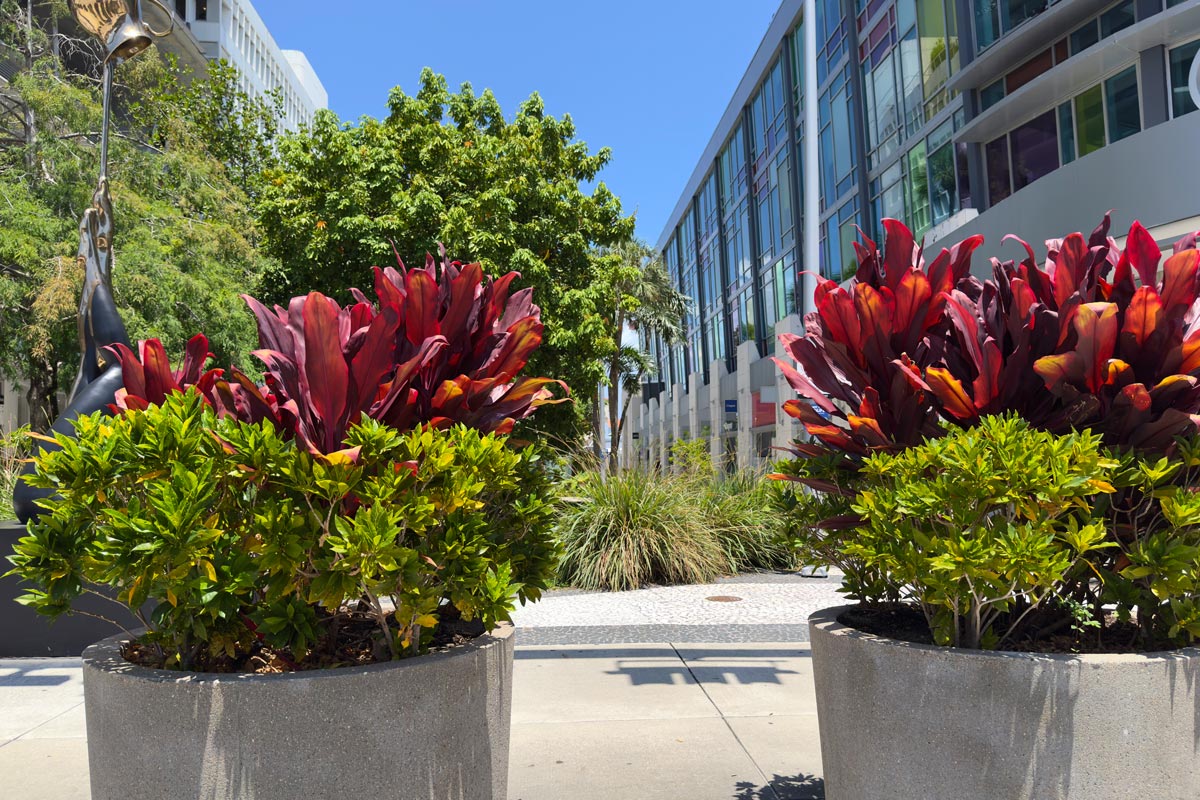
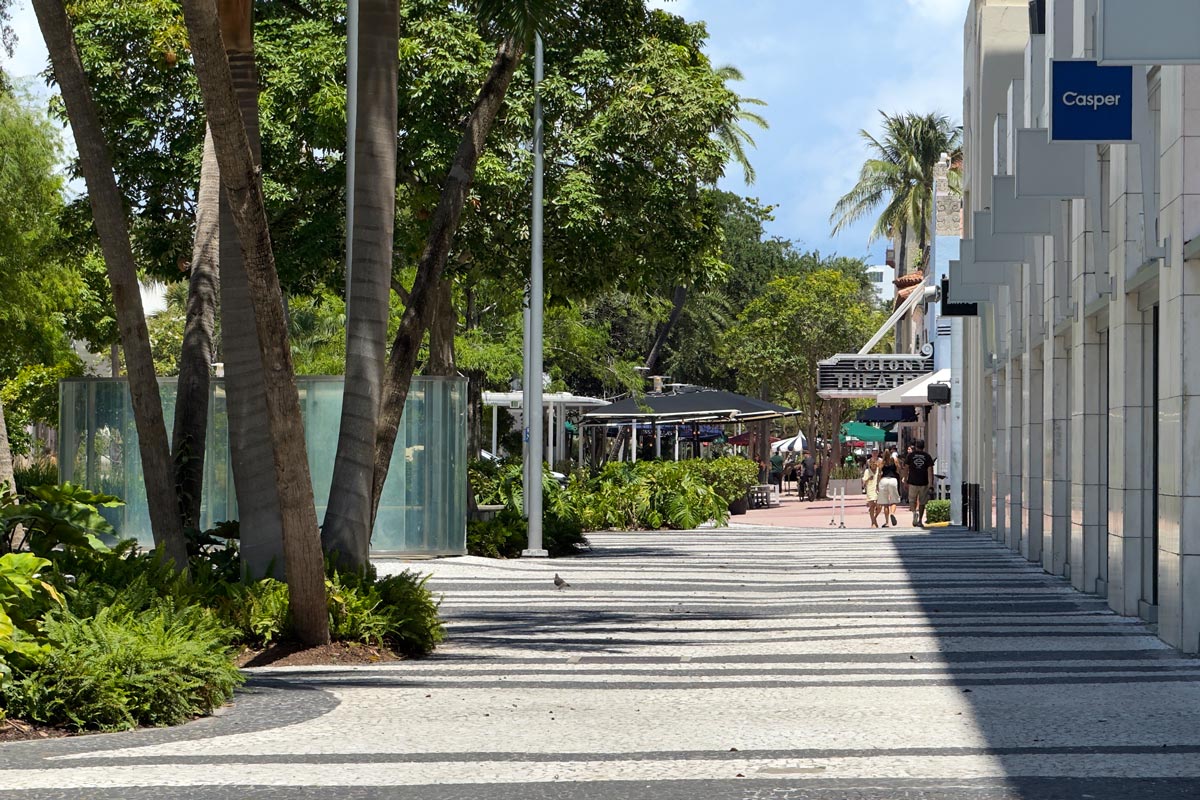
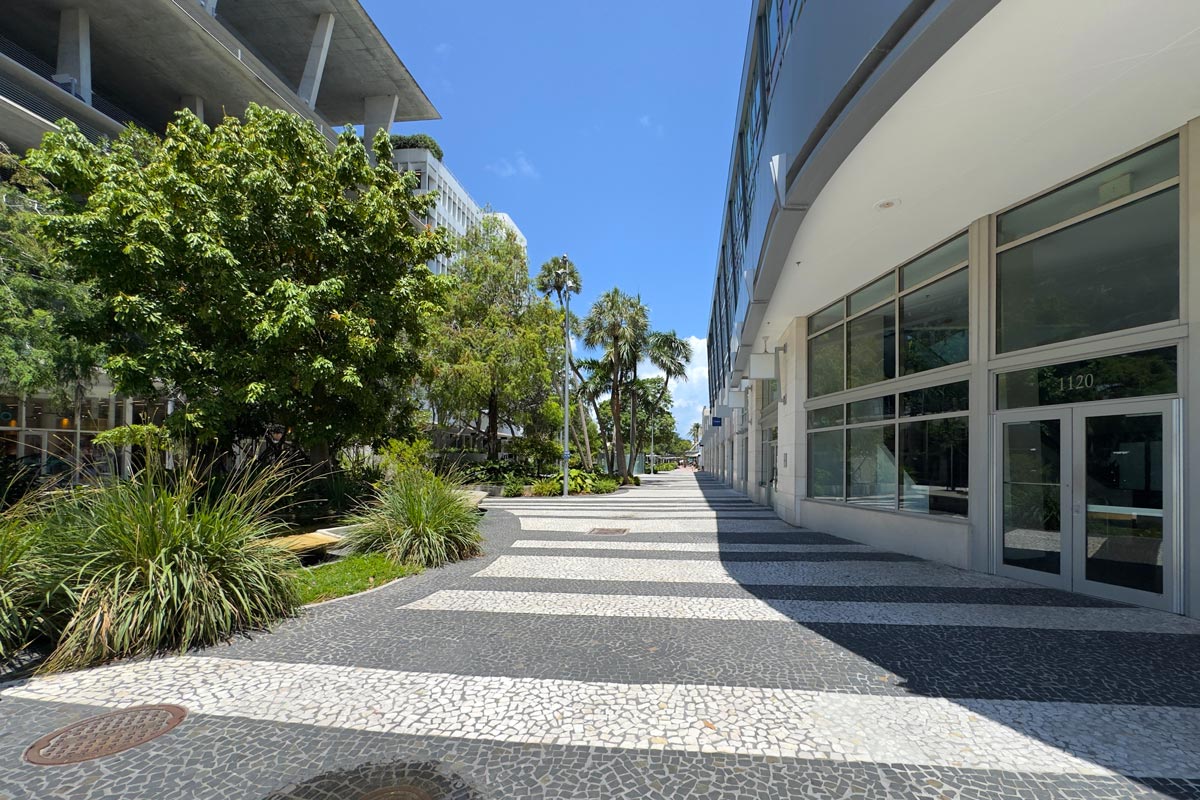
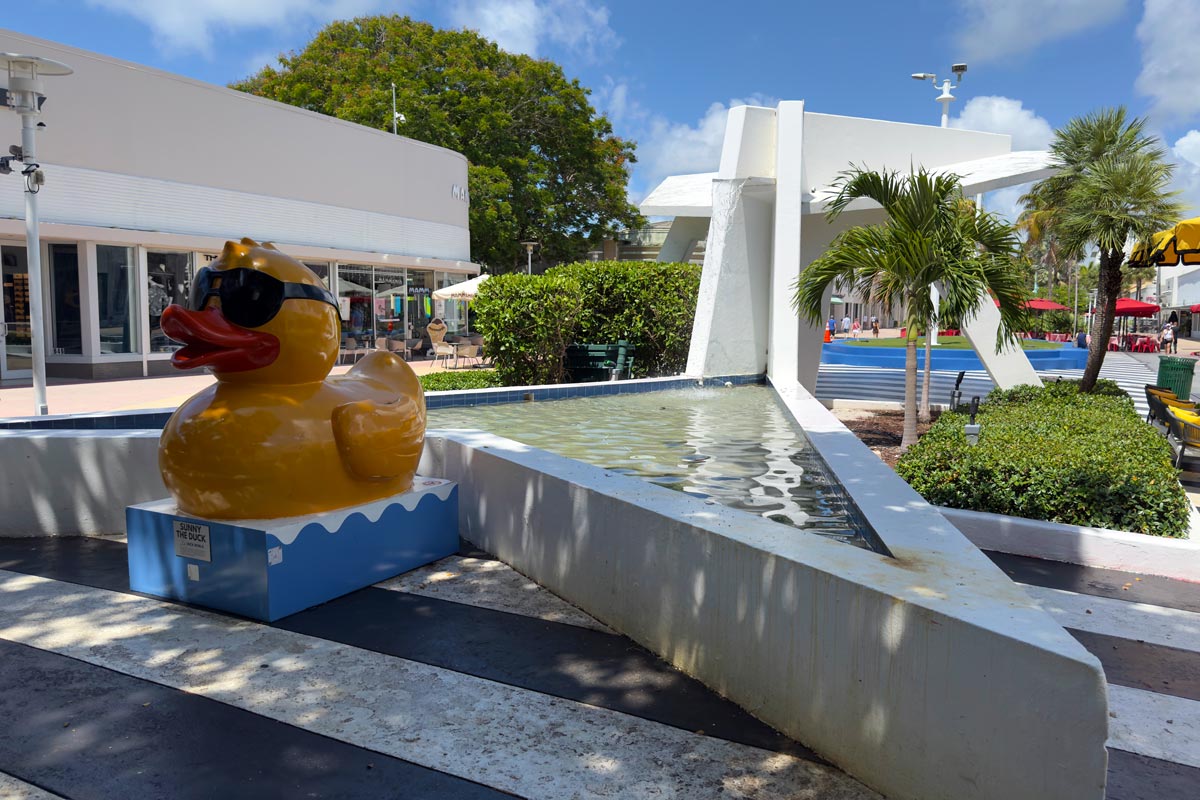
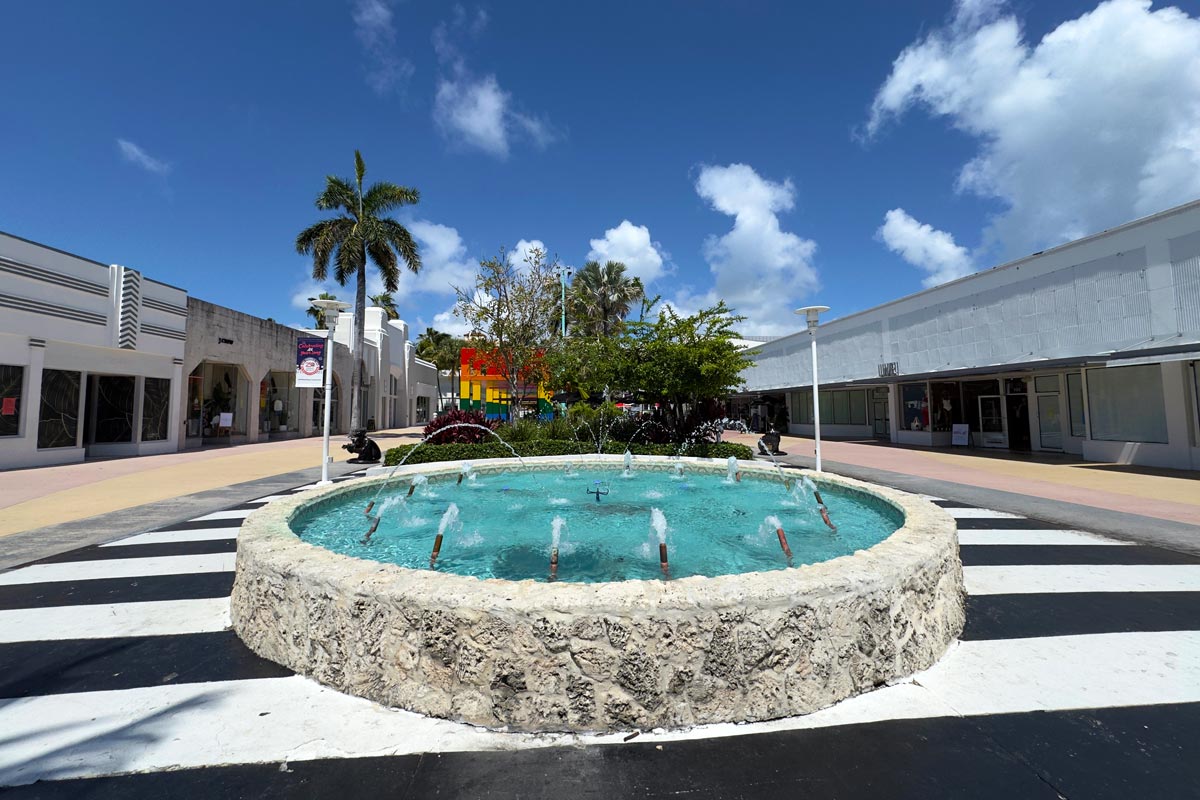
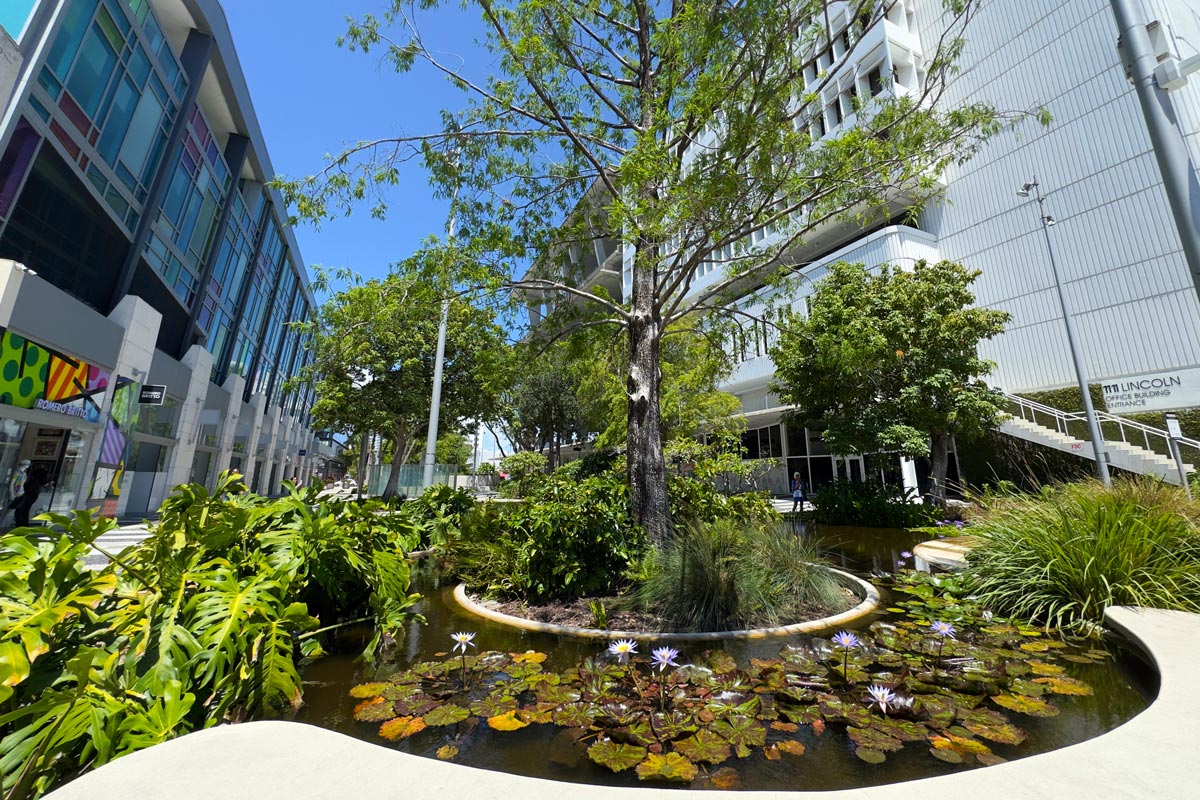
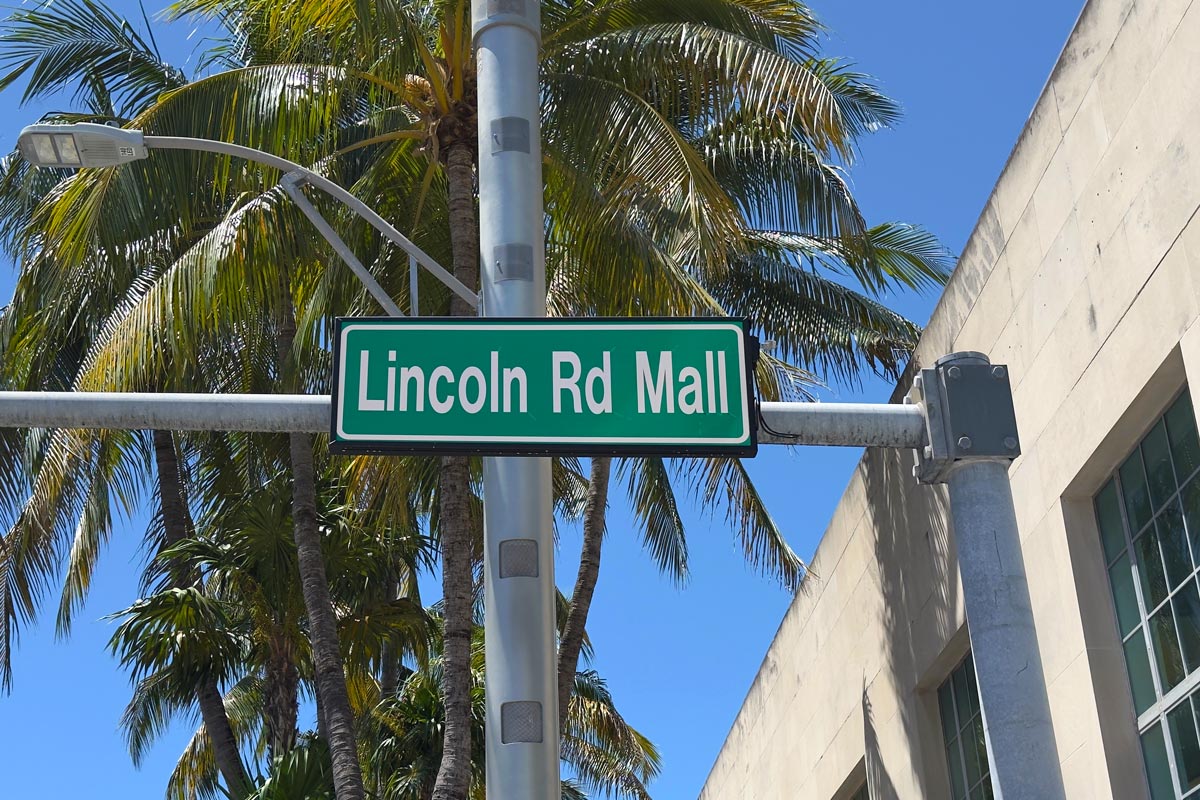
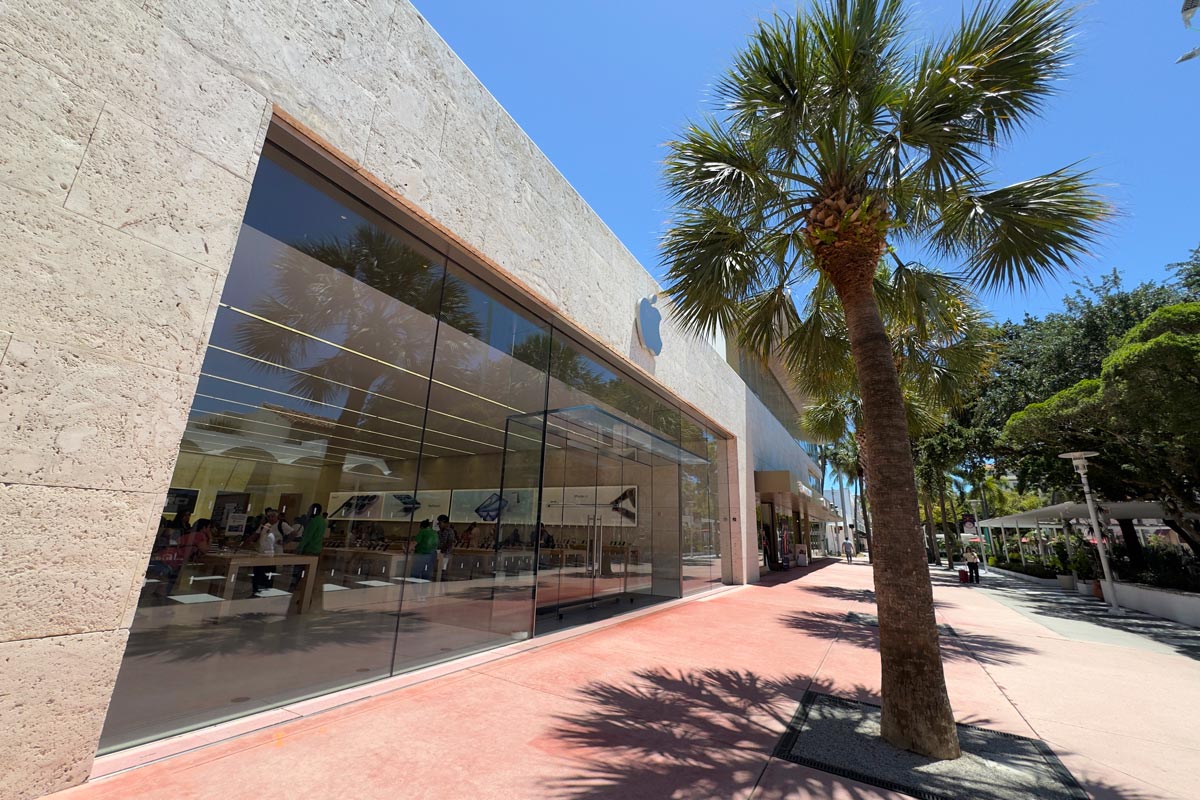
There are streets that simply exist. And there are streets that have died more than once, returning each time a little different, a little more layered, carrying the scar tissue of every previous version of themselves. Lincoln Road in Miami Beach is the second kind. Seven blocks of pedestrian space running east to west across the narrow island, from the Atlantic to Biscayne Bay. No cars. No visual accidents. Fountains, tropical plantings, mid-century concrete canopies, and the particular quality of shade that only Florida architecture at its best manages to manufacture. From the outside, it reads as a beautiful shopping street. What it actually is, is four different cities stacked on top of each other - each one built on the failure of the last.
Carl Fisher and the Myth of the Promenade
It begins, as most things in Miami Beach begin, with Carl Fisher.
Fisher was the developer who, in the 1910s and 1920s, drained the mangroves and built a resort city on a barrier island. Lincoln Road was his signature boulevard - a wide east-west thoroughfare connecting the bay-front hotels to the ocean-facing estates. His own house sat at the eastern end. The ambition was explicit: a street that could compete with Fifth Avenue.
By the 1940s, it nearly had. Saks Fifth Avenue, Burdines, Cadillac and Lincoln dealerships, jewelers, and department stores lined its length. Lincoln Road was the only place in Florida where white gloves were still expected at the shops.
Then the shopping malls arrived. And the street began its first long decline.
Morris Lapidus and the Architecture of Too Much
By the late 1950s, Lincoln Road needed saving. The city turned to Morris Lapidus - the architect who had already designed the Fontainebleau and the Eden Roc, and who held views about architecture that placed him in direct opposition to the modernist orthodoxy of his era.
Where Mies van der Rohe declared that less is more, Lapidus countered, with evident pleasure, that too much is never enough.
In 1960, Lincoln Road became one of the first pedestrian shopping malls in the United States. Lapidus removed the cars and replaced the street with what he called a garden - a MiMo (Miami Modern) landscape of fountains, shade structures, tropical plants, and his signature perforated concrete canopies that look, simultaneously, like futurist sunshades and pure sculpture.
He wanted the street to function as a theater in which every passerby was the lead.
The idea was rejected by serious critics and embraced entirely by the public. Time, as it often does, sided with the public.
Ellie Schneiderman and the Empty Storefronts
By the early 1980s, the street was desolate again. Vacant signs covered nearly every window. Miami Beach itself was in crisis.
What saved Lincoln Road this time was not a developer or an architect.
It was a ceramist.
Ellie Schneiderman had been working in the South Florida art world since the late 1970s. In 1984, she founded ArtCenter/South Florida - a nonprofit that negotiated reduced rents from Lincoln Road property owners and converted twenty-two empty storefronts into working studios for artists. Painters, sculptors, printmakers, ceramicists - seventy artists across disciplines moved into spaces that had recently sold hats and jewelry.
It was one of those rare moments when art saved a street that commerce had already abandoned.
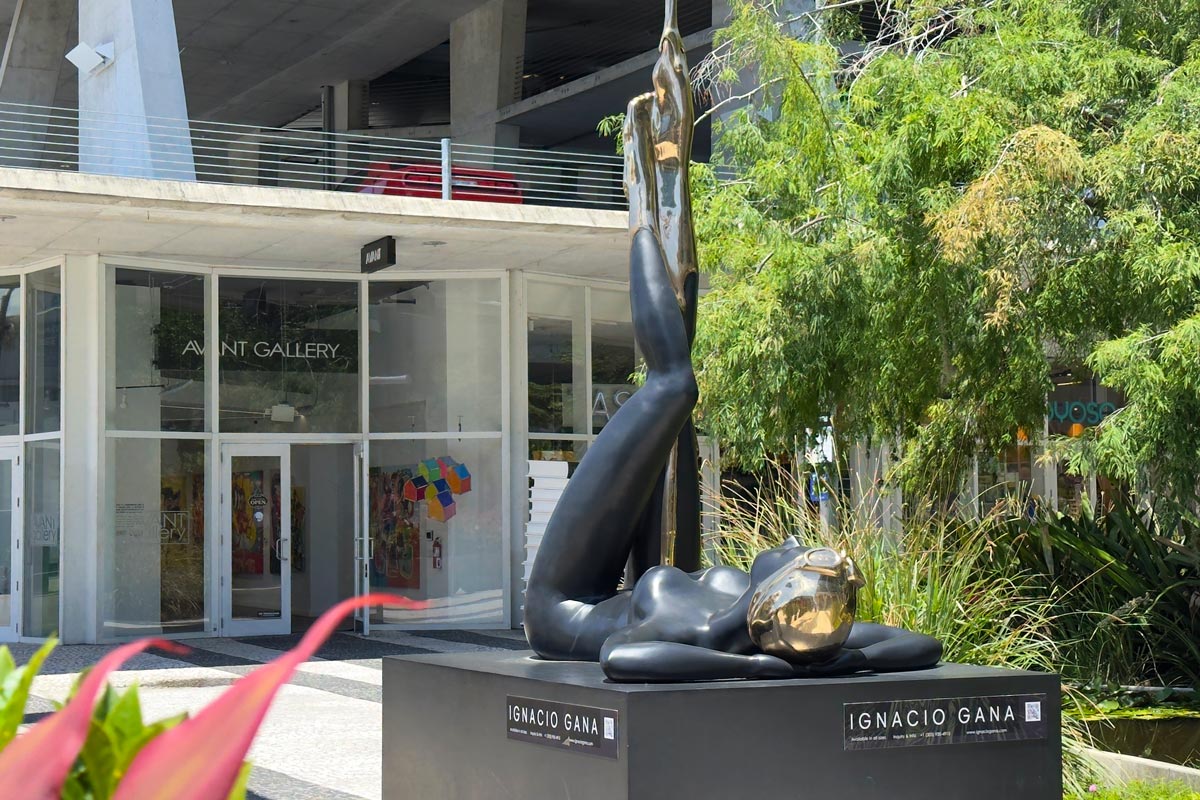
The ArtCenter became a gravitational center that slowly pulled the rest of the street back to life, creating the cultural credibility that eventually attracted restaurants, galleries, and the wave of investment that followed. The organization continues operating today under the name Oolite Arts.
1111 Lincoln Road: The Parking Garage as Architecture
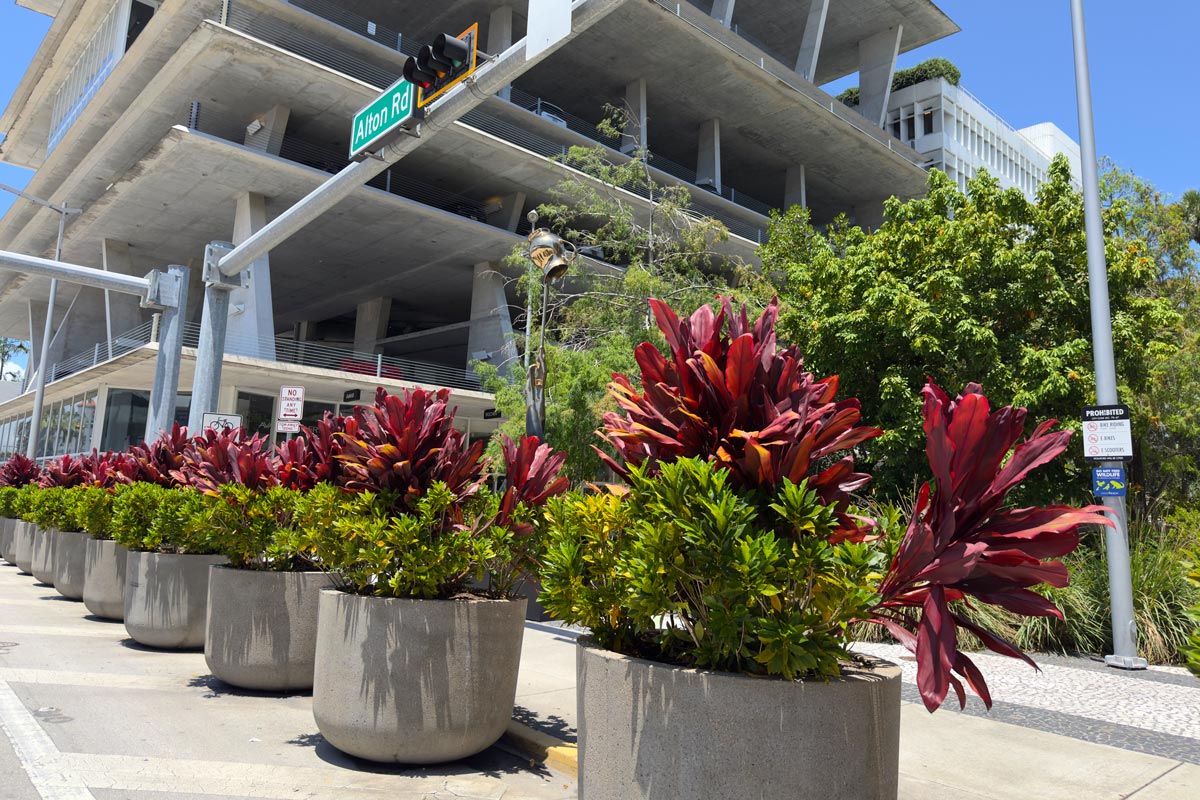
In 2010, at the western end of the pedestrian mall, a building appeared that permanently changed the conversation about Lincoln Road.
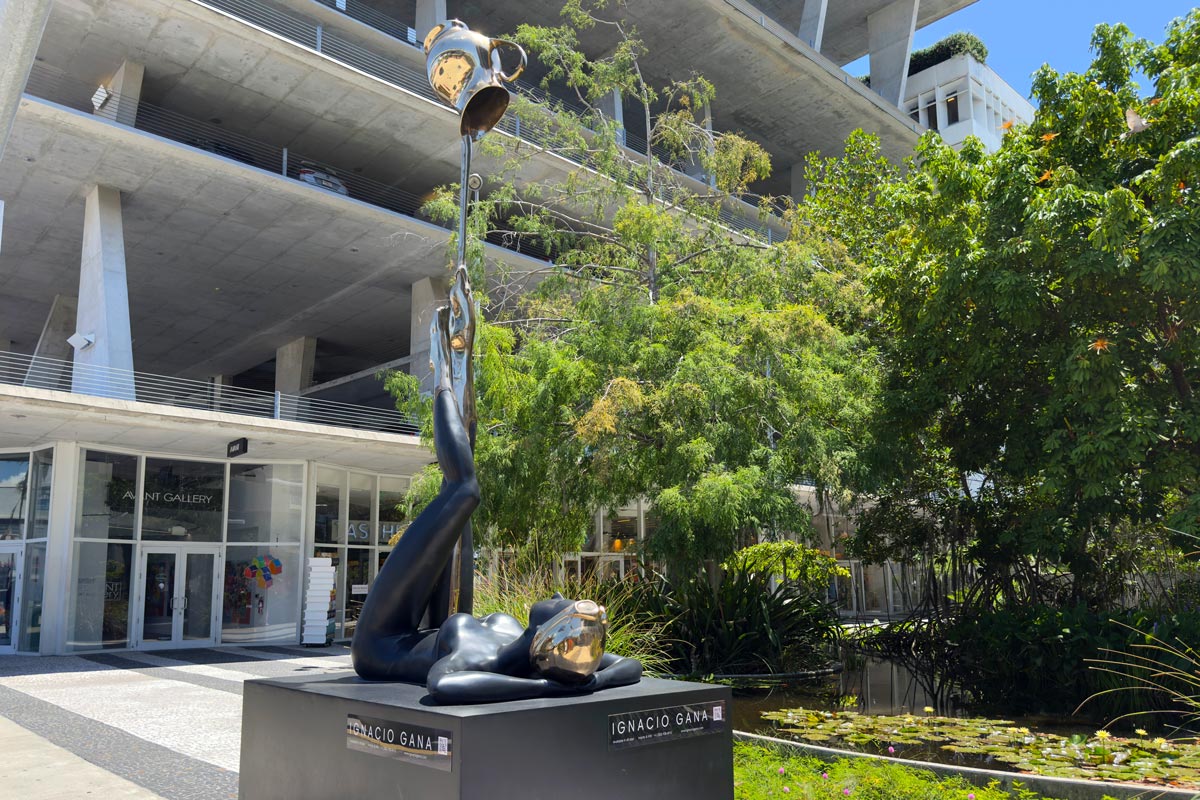
Herzog und de Meuron - the Swiss firm behind Tate Modern in London and the Beijing National Stadium - designed a multi-level parking structure for three hundred cars. Without walls.
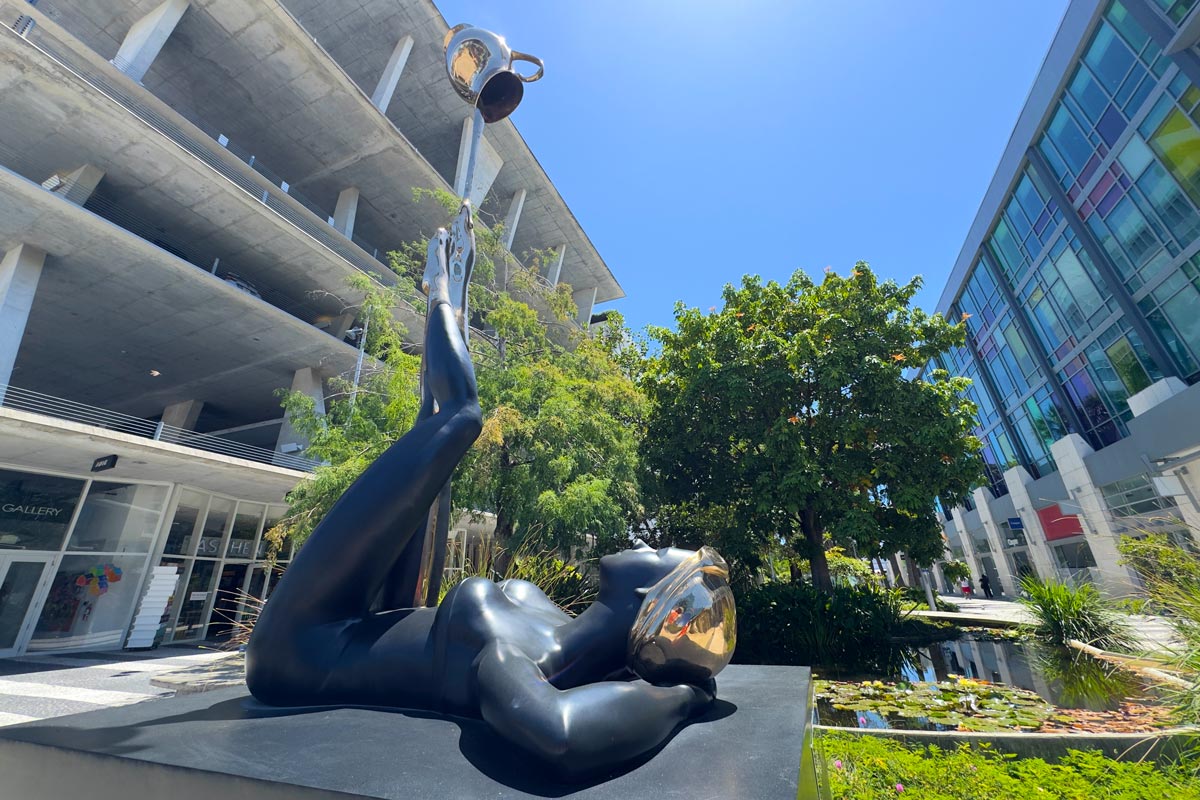
Thin, angular concrete slabs. Cantilevers that seem to defy reasonable expectation. Open views across the bay and the city through every level. The building looks like an unfinished sculpture, or a structural argument made in concrete.
The upper levels house a penthouse and event spaces used for yoga classes, fashion shows, and weddings.
1111 Lincoln Road is the most elegant possible proof that function and beauty have never been opposites - only separate conversations waiting to find each other.
It is also, almost certainly, the most photographed parking garage on earth.
The Art Deco Cinema That Became Everything Else
Among all the buildings on Lincoln Road, one biography most accurately mirrors the history of the street itself.
The Lincoln Theatre at 541 Lincoln Road was designed by Thomas W. Lamb - one of the foremost theater architects in America, responsible for several of New Yorks great movie palaces - and opened in 1936. The building is Art Deco at full strength: a smooth curved corner, sweeping horizontal canopies, and stylized sculptural reliefs on a coral-pink façade.
It operated as a cinema until the early 1980s. Then sat vacant.
In 1988, the young conductor Michael Tilson Thomas leased it for the New World Symphony, the orchestral academy he had just founded. The Symphony purchased the building in 1990 and restored it as a concert hall - one of the finest small performance spaces in Florida.
When the New World Symphony moved to its new Frank Gehry-designed home in 2011, the Lincoln Theatre changed hands again. Today, behind Lambs Art Deco façade: retail.
This could read as a story of decline. But this is how great urban streets actually work. They change their contents while holding onto their character.
What This Street Is Actually About
Lincoln Road has died and returned enough times that its resilience is no longer surprising - it is structural.
Fisher built the ambition. Lapidus built the pleasure. Schneiderman and the artists built the credibility. Herzog und de Meuron built the proof that even a parking garage can be a reason to come back.
For visitors from cities with their own contested high streets - Torontos Bloor, Montreals Sainte-Catherine, Vancouvers Robson - Lincoln Road offers a particular lesson. A street does not stay alive because of the brands it attracts, or the rents it commands, or the architecture that lines it.
It stays alive because someone, at each critical moment of abandonment, looked at an empty space and chose to make something of it.