










Vizcaya: the Miami palace that invented its own past
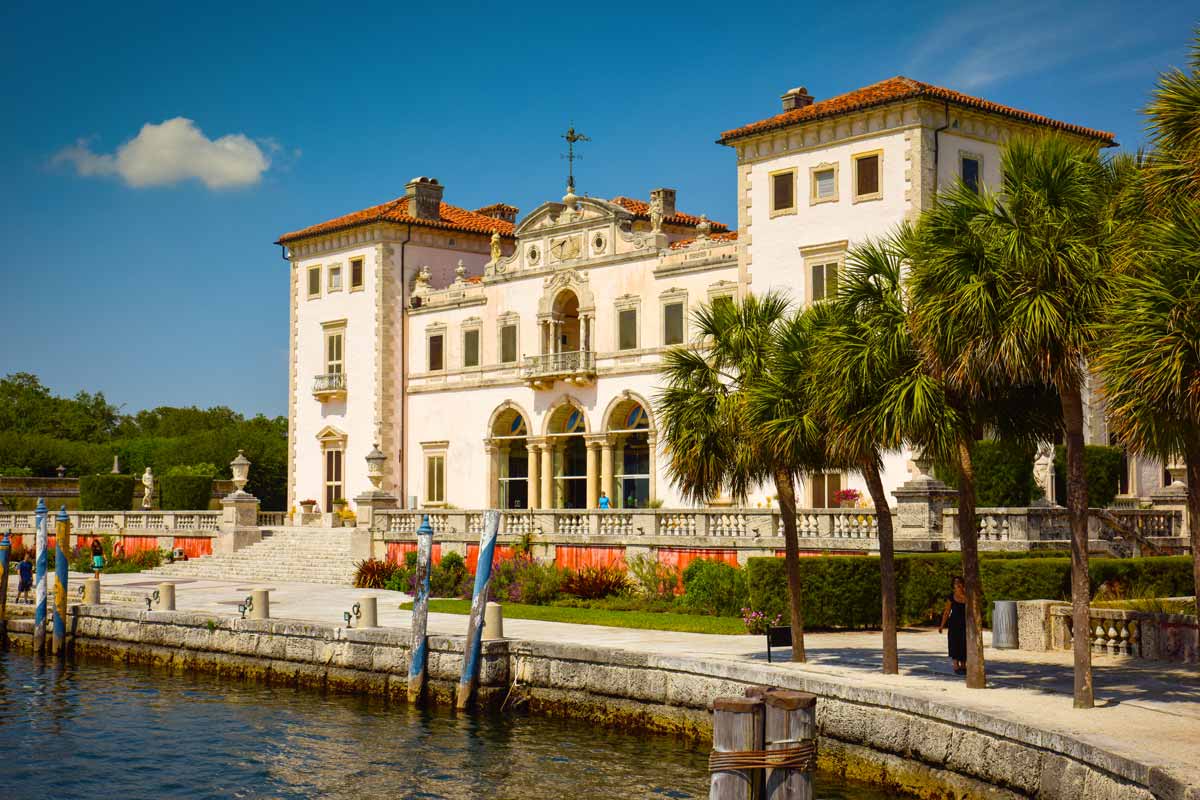
There is a house in Miami that looks as if it has been standing on the shore of Biscayne Bay for centuries. It seems as though its walls remember European dukes, old family secrets, sea winds, faded portraits and generations of owners who were born, grew old, argued, died and left behind furniture, paintings, rooms and legends.
In reality, the house is just over a century old. And that is the central paradox of Vizcaya: its antiquity is both invented and real.
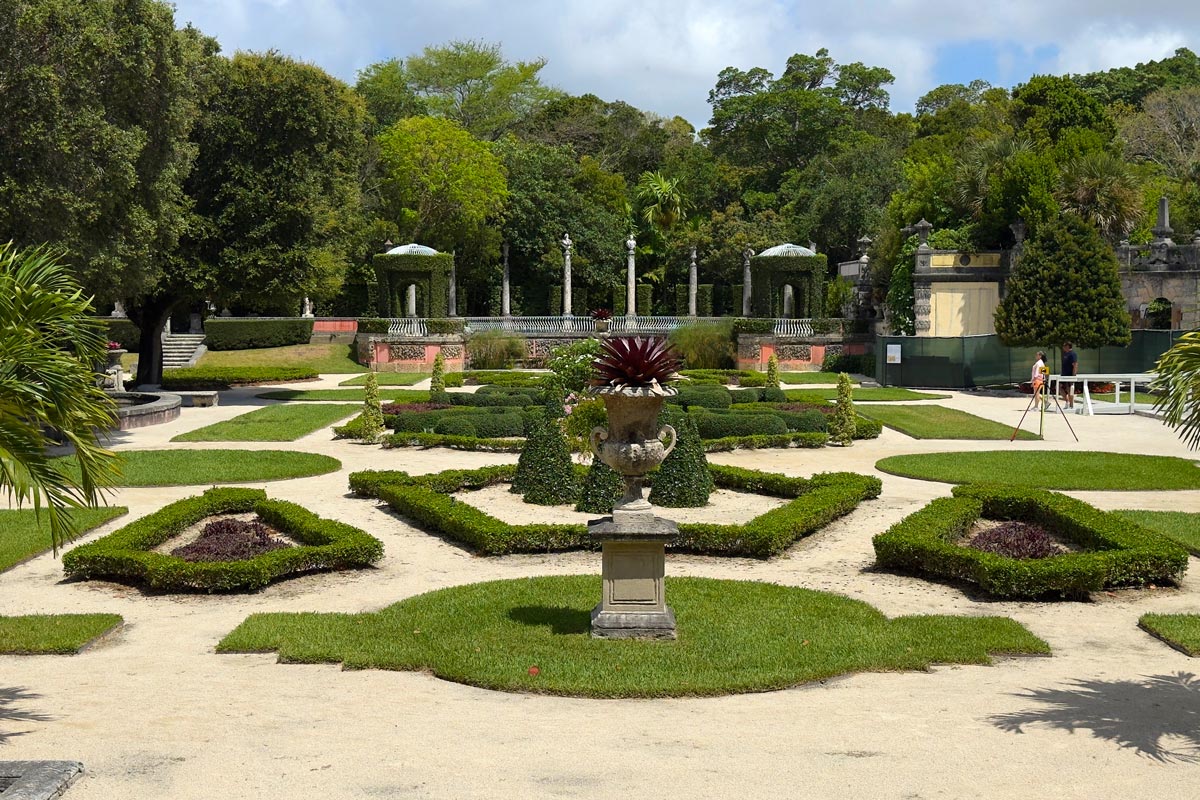
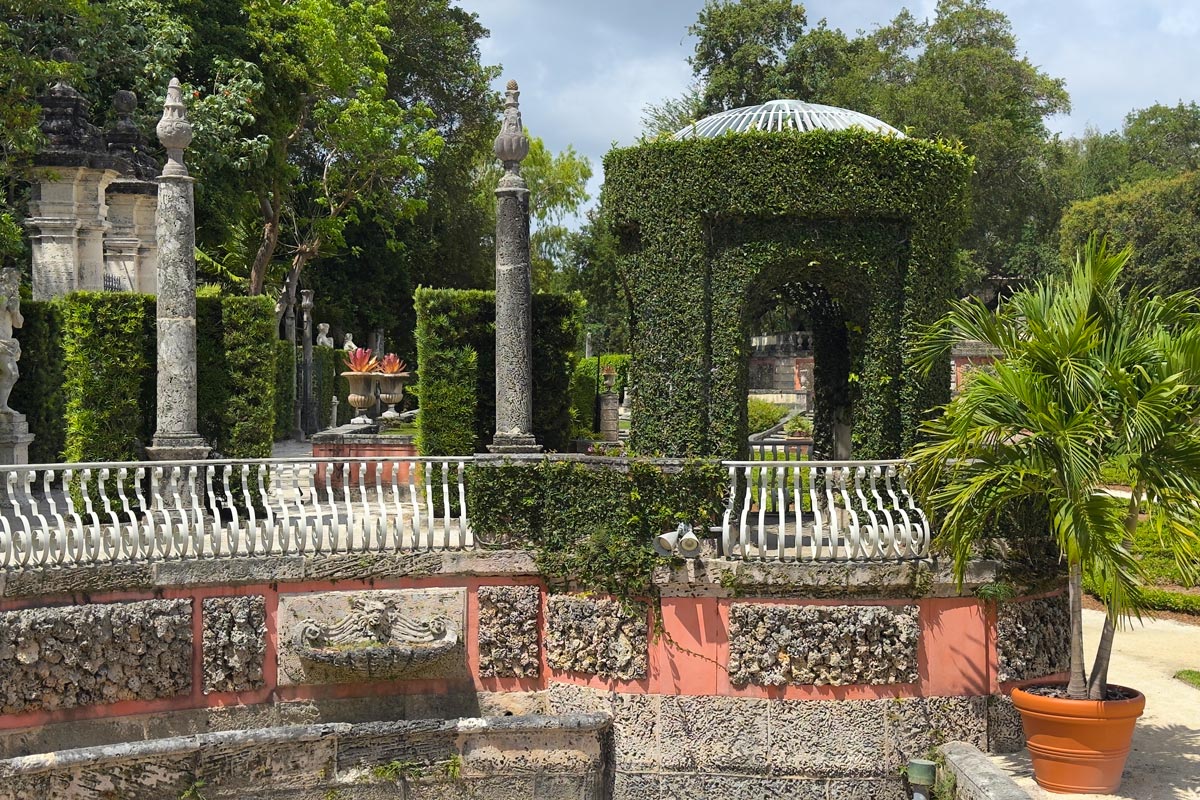
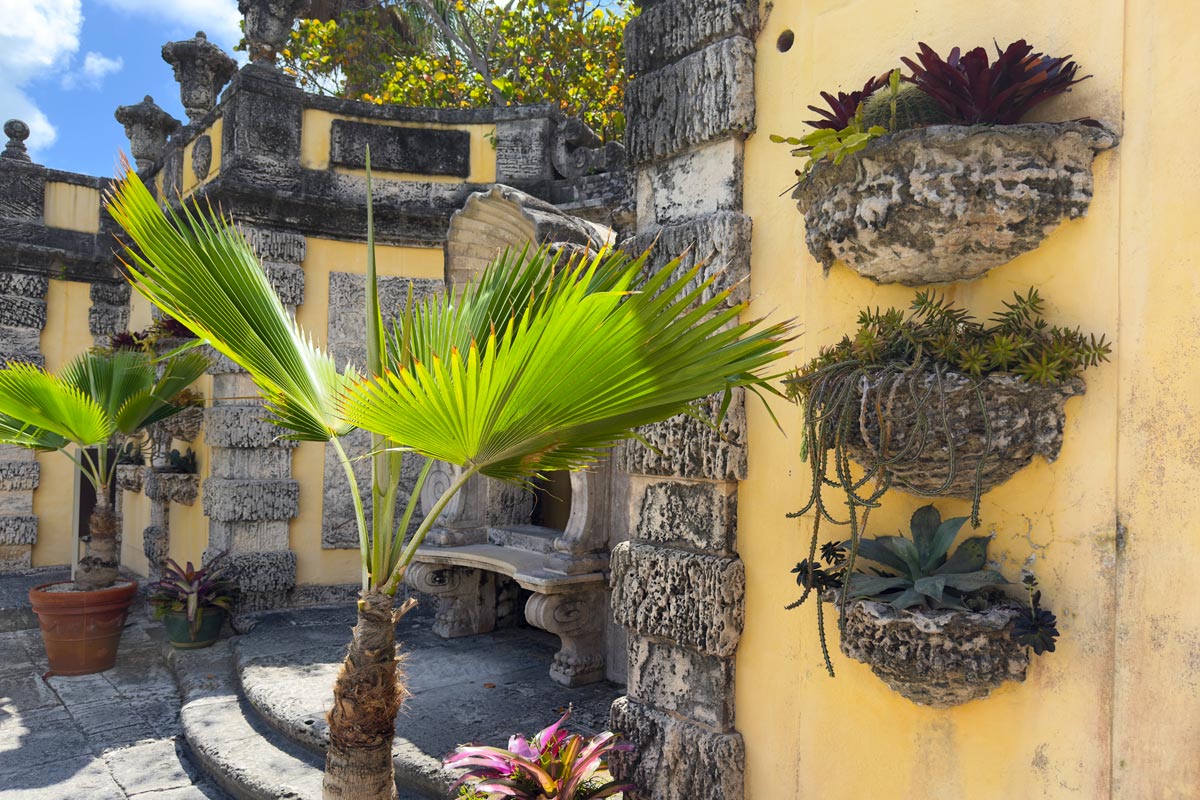
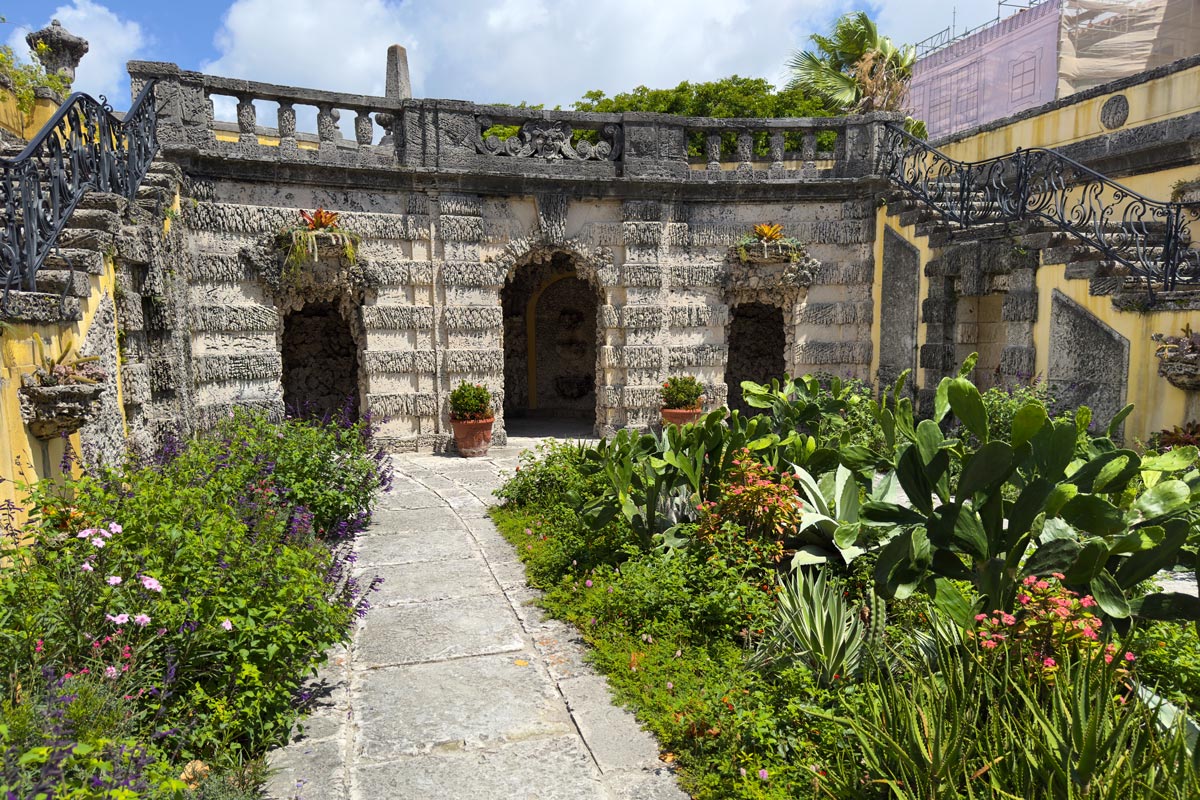
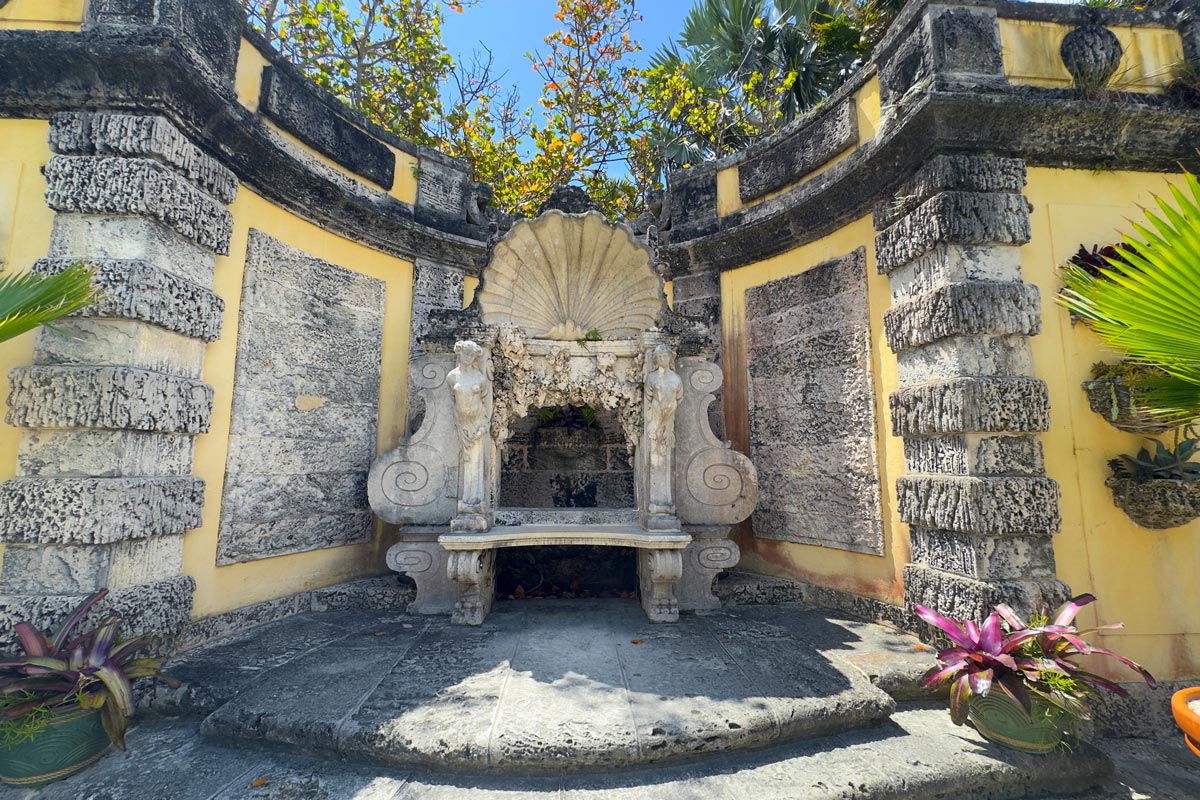
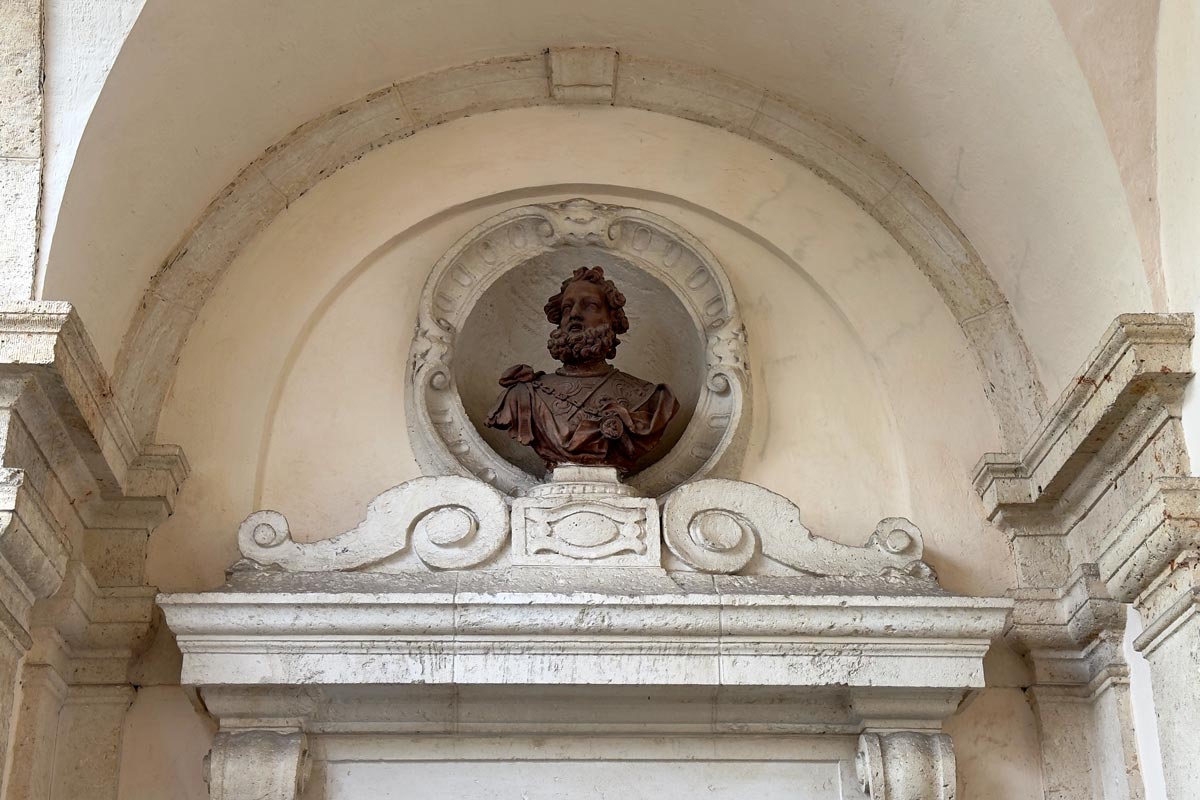
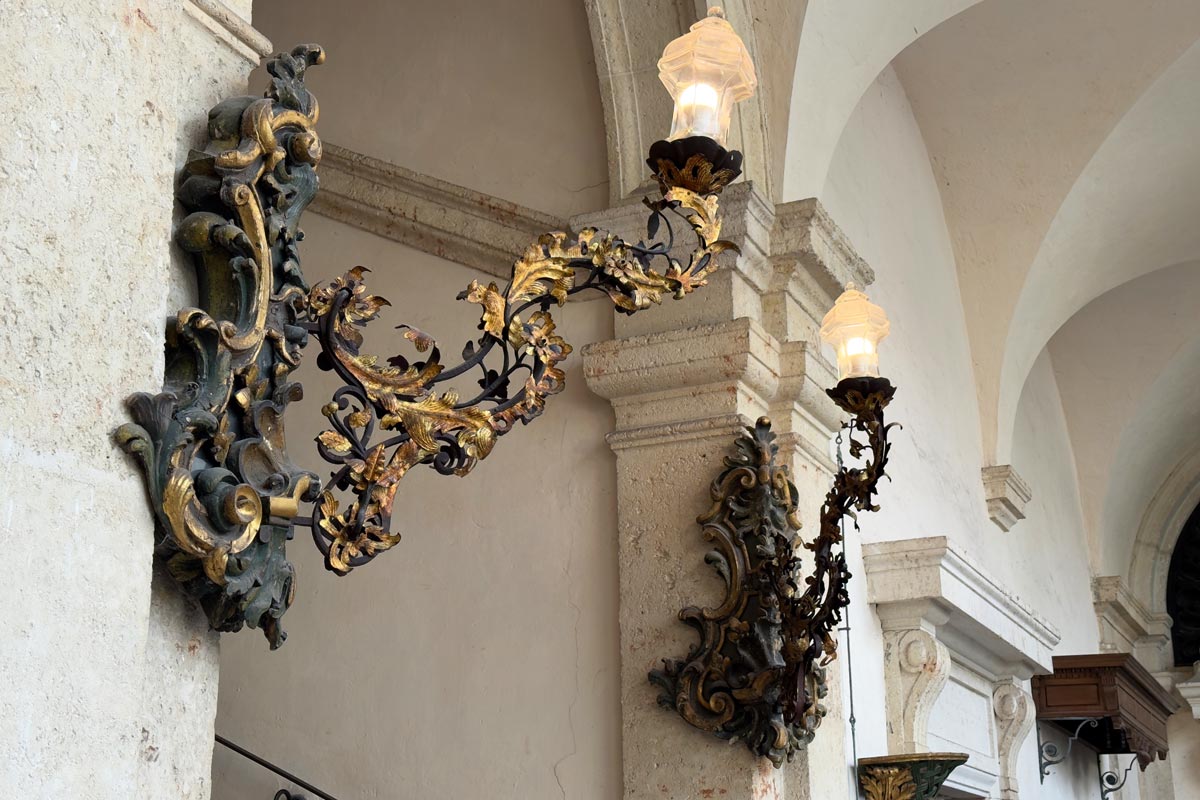
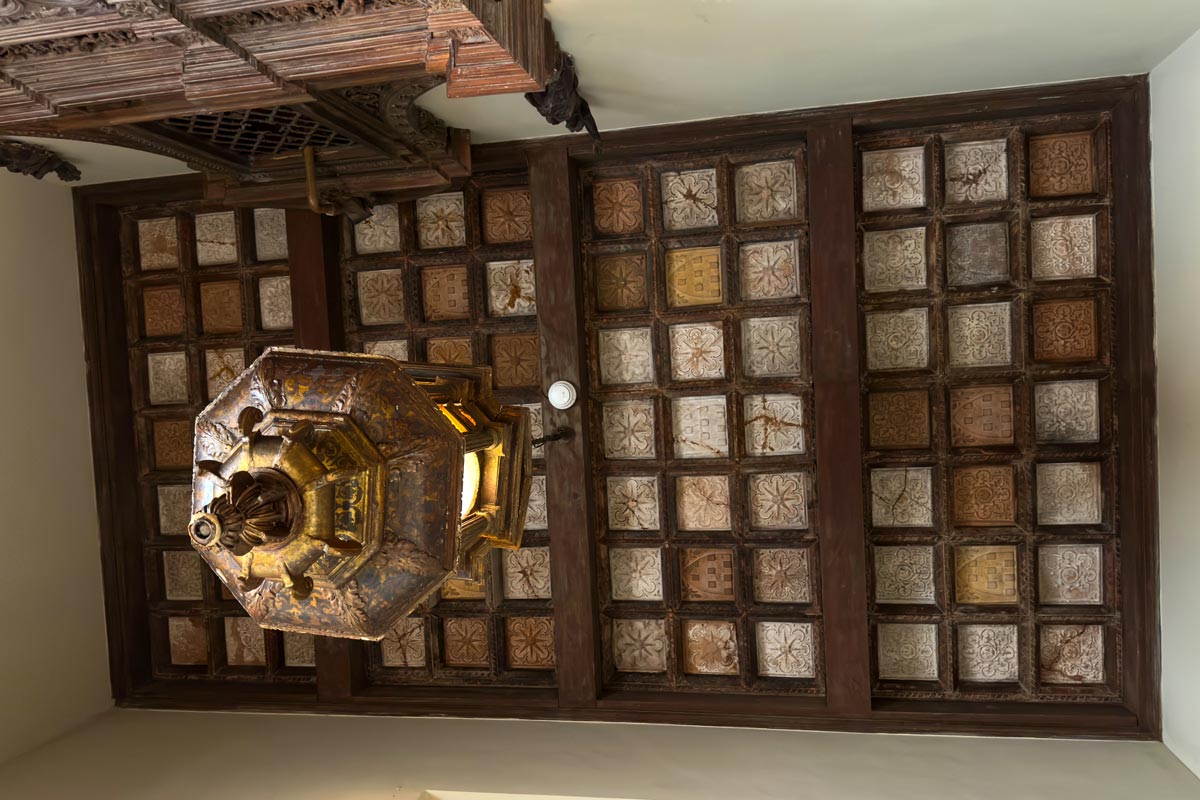
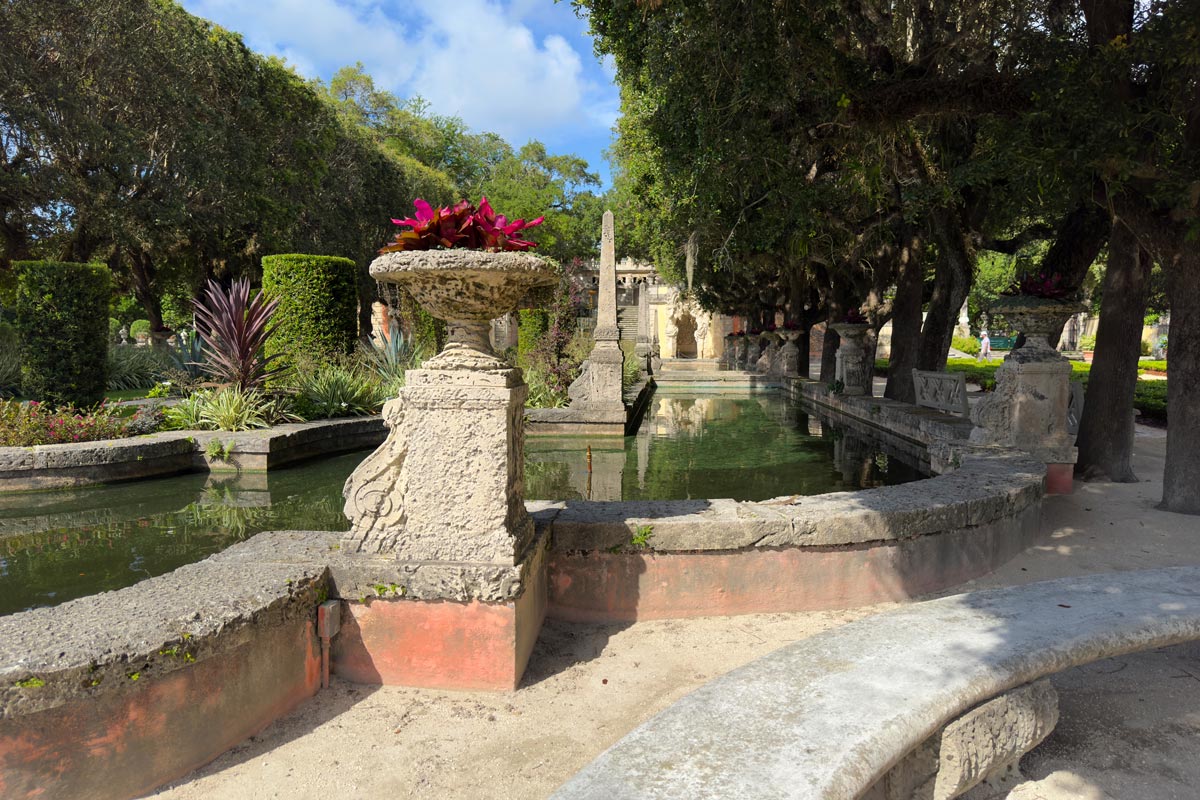
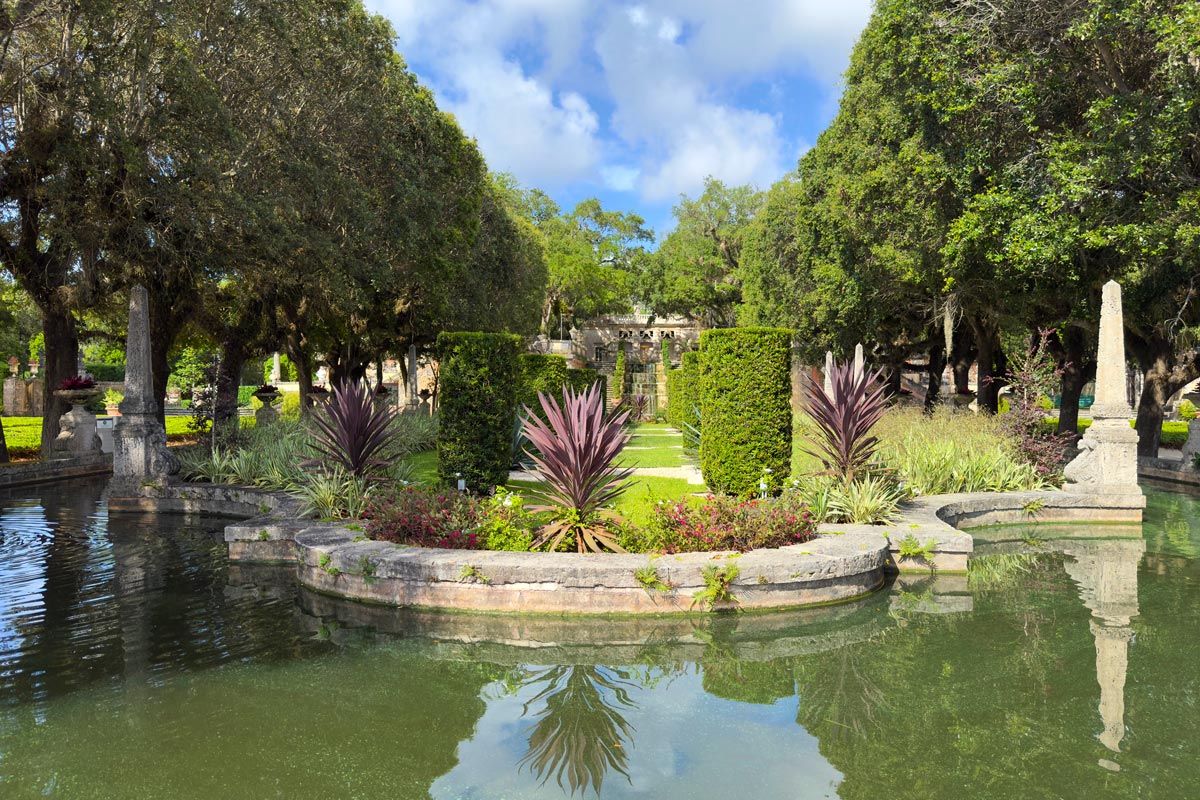
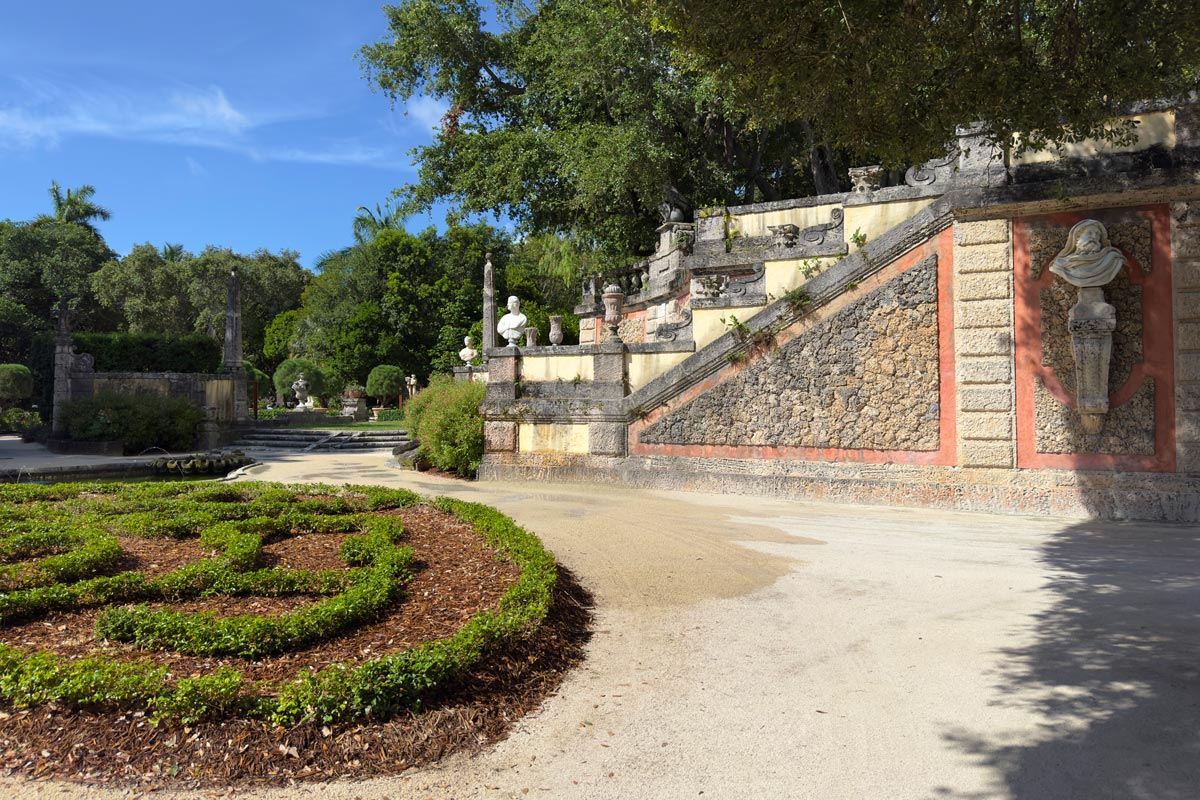
This is not simply an American imitation of a European villa. It is a vast architectural collage made from genuine European fragments - ceilings, doors, fireplaces, floors, furniture, sculpture and decorative details that were purchased, dismantled, shipped across the ocean and reassembled in Florida. Vizcaya’s Main House measures roughly 45,000 square feet and contains dozens of rooms; its interiors were shaped around European works of art, furniture and architectural elements that James Deering and designer Paul Chalfin acquired during their travels through Europe.
This is a house built not so much from stone as from ambition. Not so much from money as from the desire to possess time.
James Deering was heir to the International Harvester fortune - the industrial empire that helped make American agriculture mechanized, large-scale and modern. He belonged to that early twentieth-century American elite that already had money, but was still searching for cultural ancestry. For such people, Europe was not simply a place to travel. It was a certificate of taste. There were palaces, gardens, family crests, old portraits, patina, cracks, enfilades and the sense of depth that cannot be bought in a young country - unless one tries to buy it literally.
Deering began creating Vizcaya as a winter residence in the 1910s. Construction of the Main House began in 1914, and he first took up residence there on Christmas Day in 1916. At that moment, Miami was not yet a global capital of sun, money, skyscrapers, Art Basel, yachts and Latin American glamour. It was a young city among mangroves, humid air, tropical forest and marshy land. And it was here that Deering decided to build a villa that was meant to look not new, but inherited. Not fresh, but weathered by centuries. Not American, but almost Venetian.
He did not want merely a house. He wanted a past.
For that, he hired Paul Chalfin - an artist, connoisseur of European decorative arts and a man who understood that true luxury does not always look new. Chalfin did not “furnish” the house in the ordinary sense. He assembled it as a museum-like fantasy. If a ceiling from Venice was found, a room could be designed around it. If an antique portal was purchased, the architecture would be organized to support it. If an object possessed enough force, it could become the centre of an entire interior. In a sense, the house was created in reverse: not walls first and furniture later, but first the image of the past - and then the walls that had to sustain it.
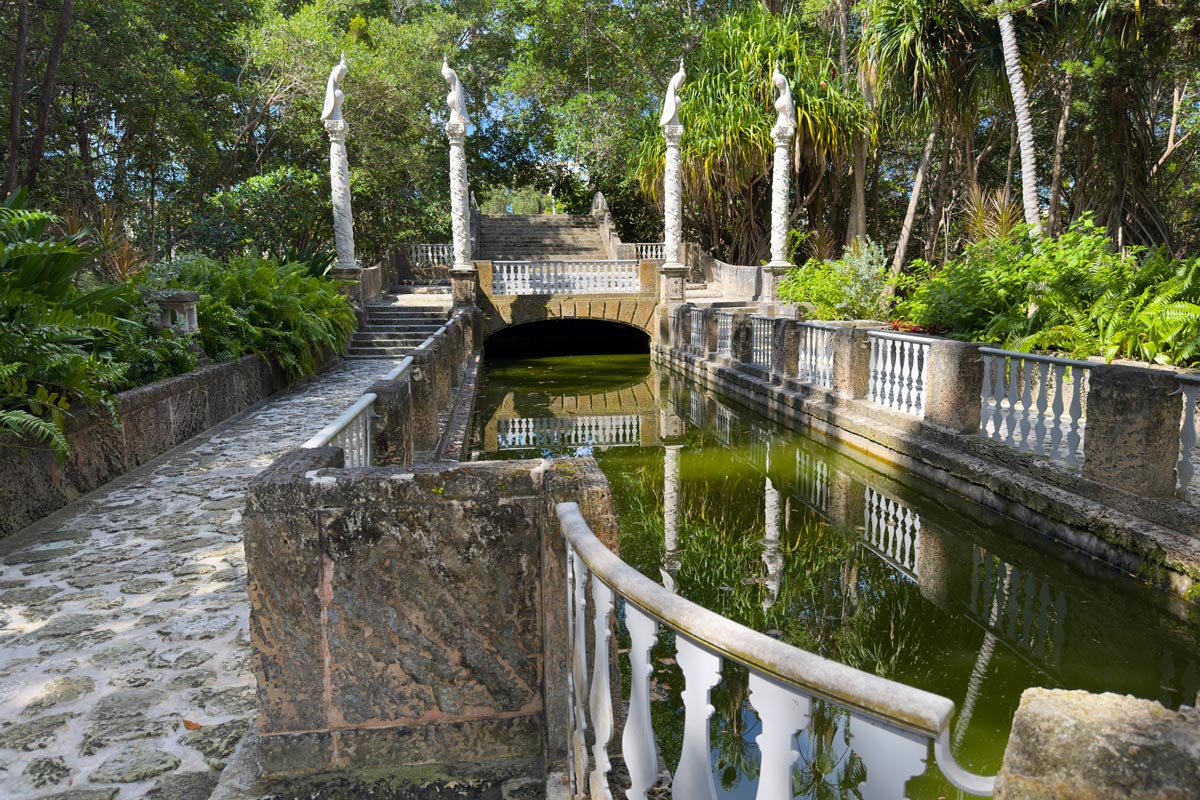
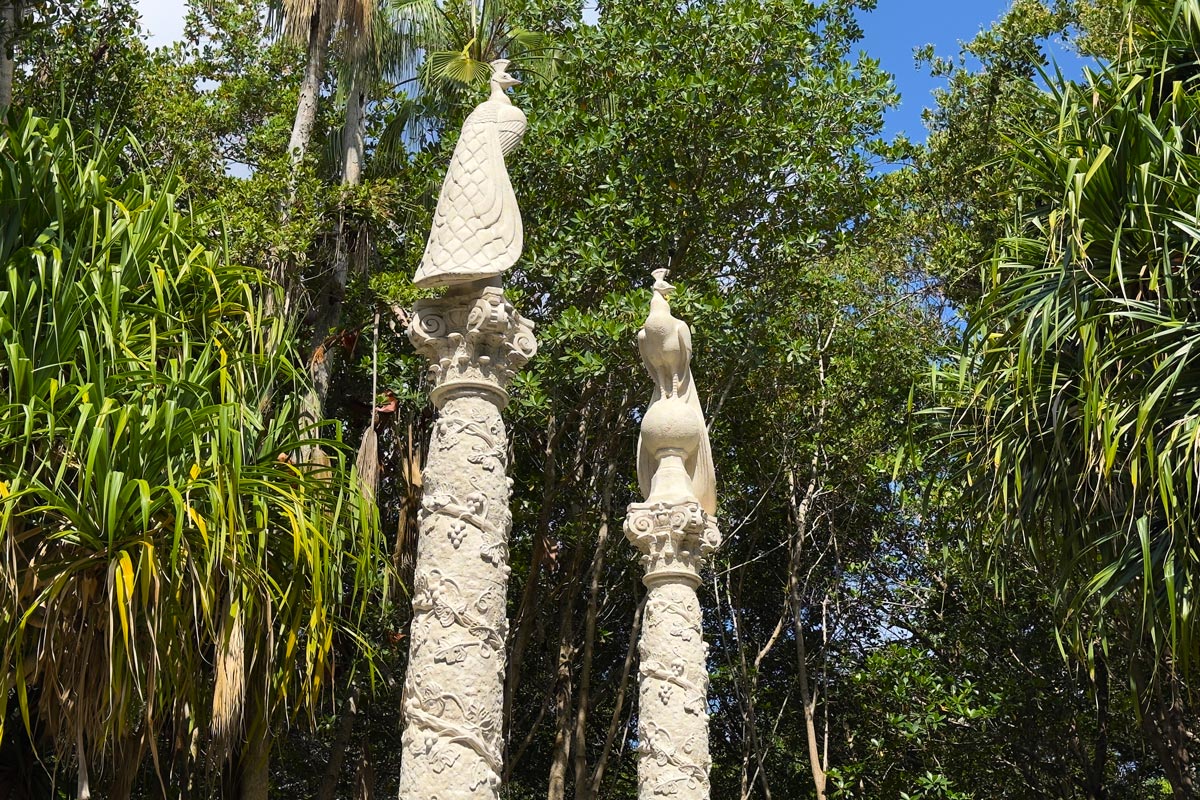
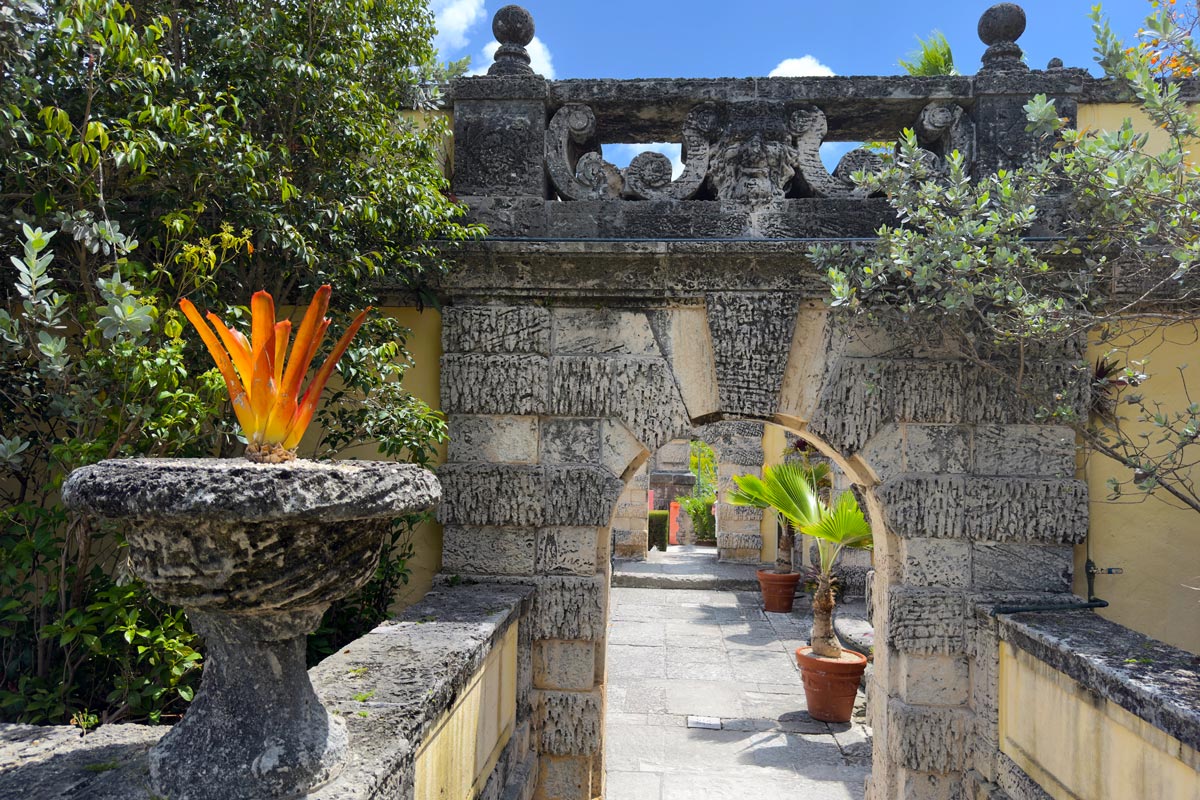
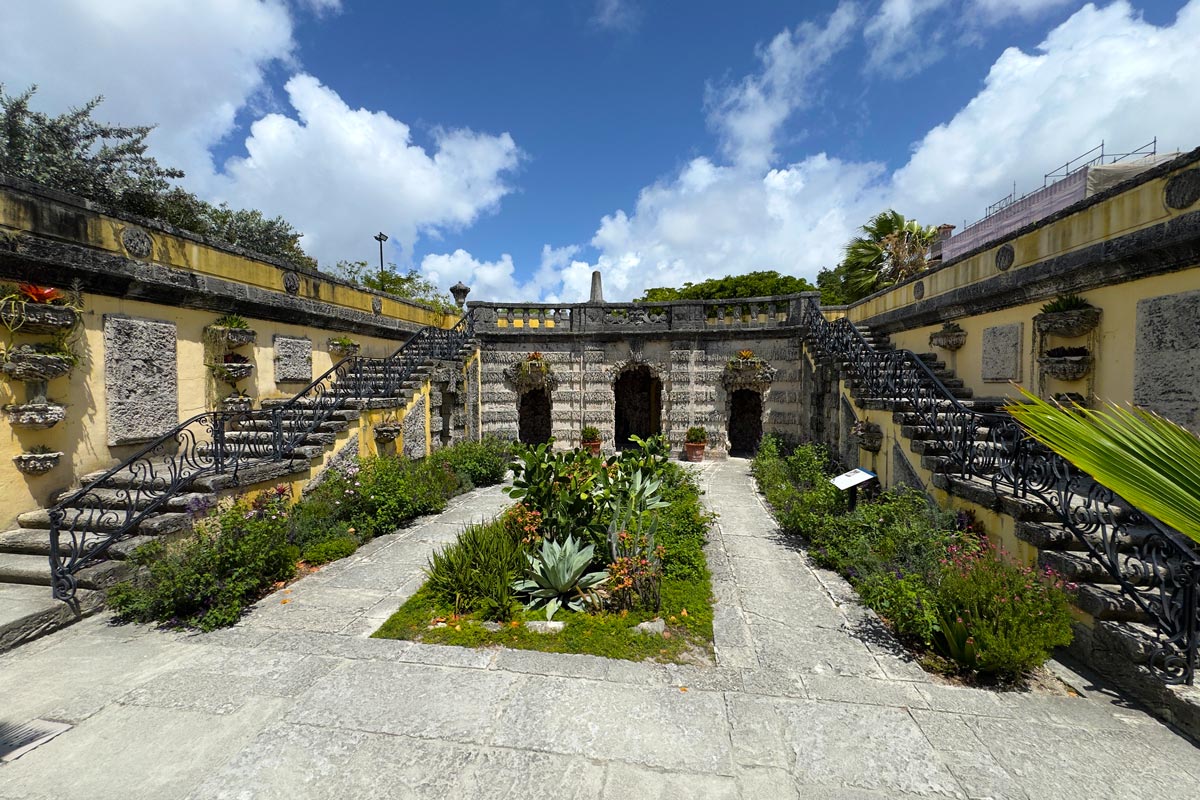
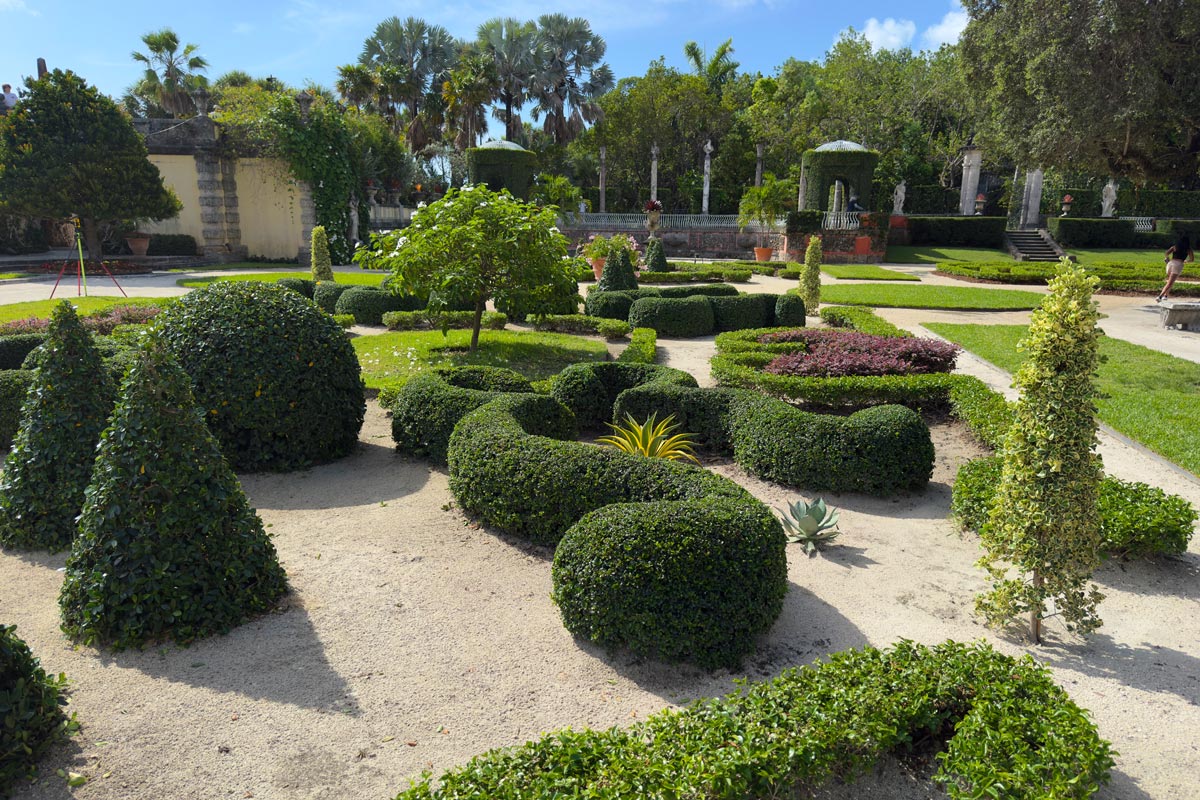
That is the secret of Vizcaya. It does not look like a stage set, because so much within it is genuine. But it is not a “real” European villa either, because all these authentic things were removed from their own time and place. A Venetian ceiling found itself outside Venice. European fragments settled in subtropical Miami. The Old World was taken apart and reassembled on the shore of Florida.
From this comes a strange, almost cinematic truth: Vizcaya is not a fake palace. It is a real palace built from other people’s memories.
The scale of the undertaking was extraordinary for young Miami. According to estimates, around one thousand workers participated in the construction of Vizcaya at a time when the city’s population was roughly ten thousand. One man, determined to build himself a villa with a European past, turned a significant part of the city into a construction machine for several years.
And this is where one should not romanticize too easily. Behind Vizcaya’s beauty stands not only taste, but also the social reality of its time: vast fortunes, inexpensive labour, the racial and class hierarchies of early Miami, imported craftsmen, local workers, Bahamian immigrants and people whose names rarely appear on ceremonial plaques. The glossy history of Vizcaya becomes deeper when one sees not only Deering and Chalfin, but also the city that built this dream by hand.
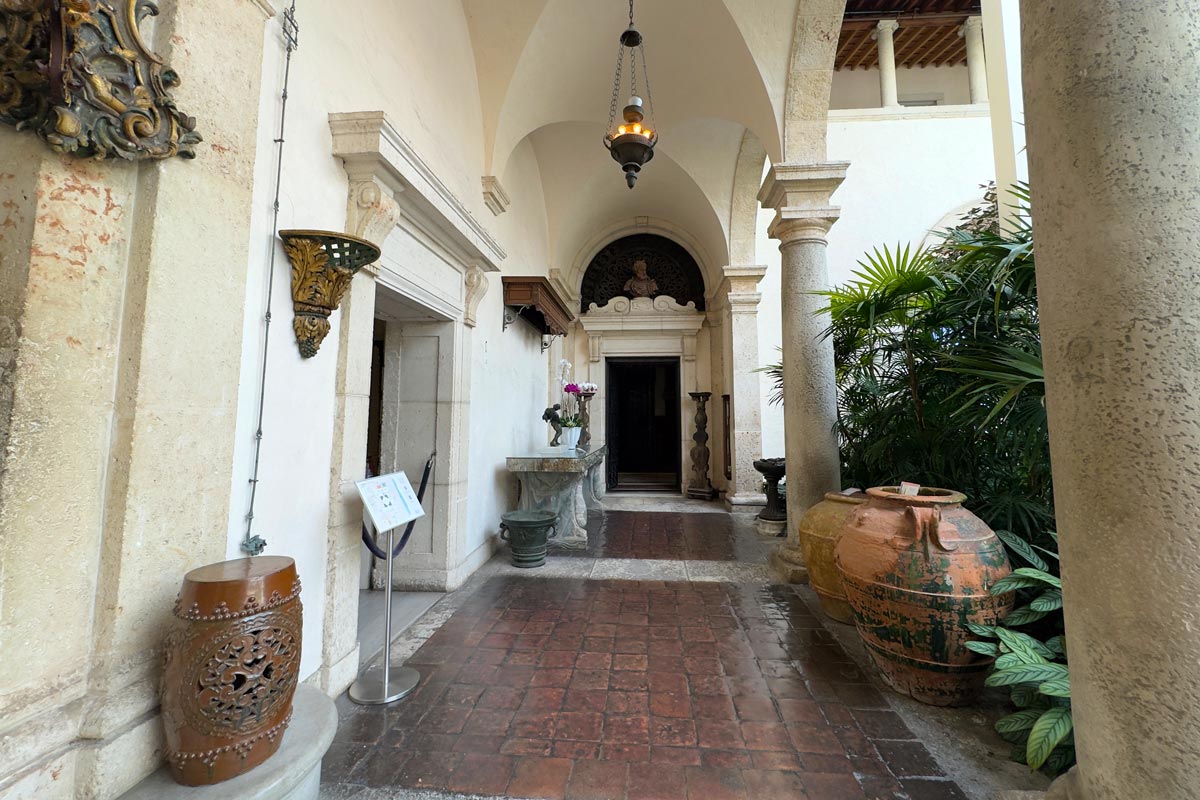
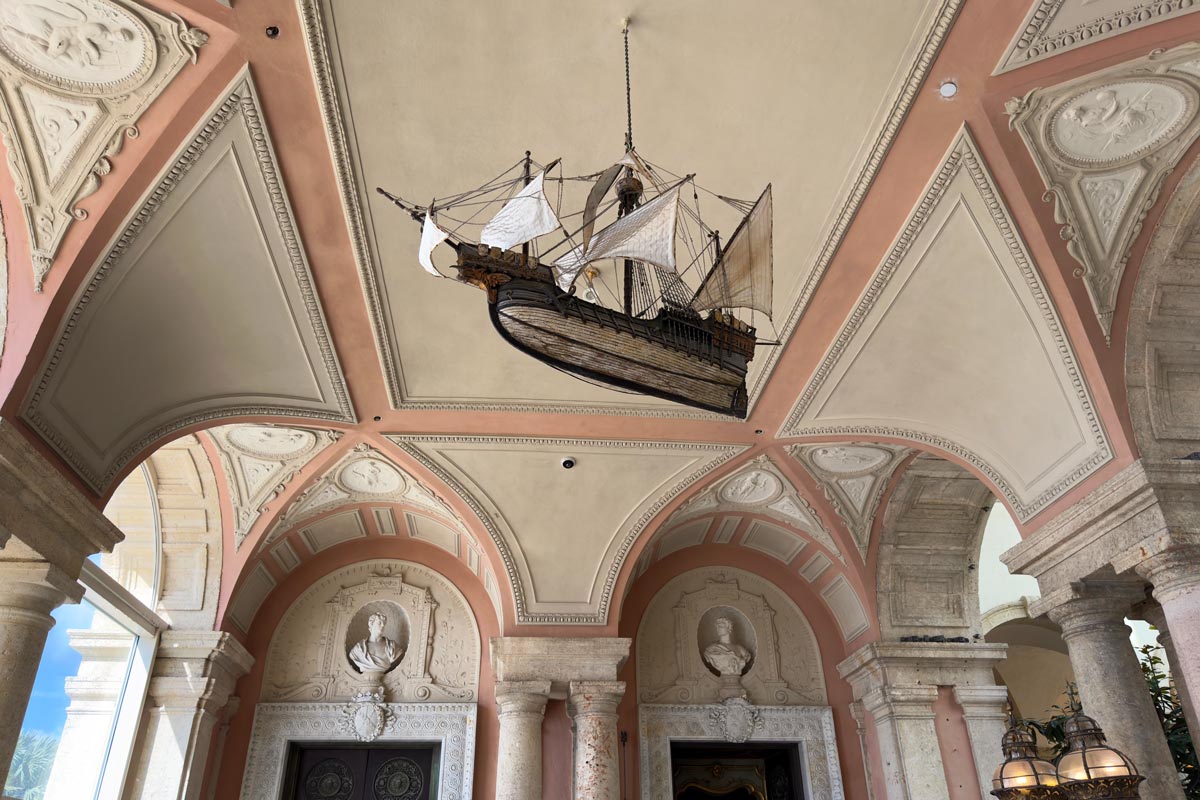
Deering arrived at his new home on Christmas Day in 1916 not by road, but by water. This matters. Vizcaya’s east loggia was conceived as a dramatic entrance for guests arriving from Biscayne Bay; the automobile approach used by most visitors today was more secondary. Deering wanted the house to reveal itself like a Venetian palazzo: first the water, then the façade, then the ceremonial approach, then the feeling that you were entering not the private home of an American industrialist, but an old European scene.
That scene was planned down to the details. At the inaugural Christmas party, guests dressed in an Italian spirit, as if the new house already possessed a tradition into which one could playfully enter. The gesture contains the whole character of Vizcaya: wealthy people in a new palace playing at old simplicity, while a house just built in a young city pretends to be ancient.
The Stone Barge: a breakwater disguised as myth
The most astonishing part of the performance is not inside the house, but in the water in front of it.
Looking from the terrace toward Biscayne Bay, one sees a stone structure resembling a fantastical barge or a frozen ship. Tourists often read it as decorative sculpture: a strange island, a marine ruin, a theatrical whim. In fact, it is a breakwater. Its practical function is to protect the house and terraces from waves. But in the world of Vizcaya, even engineering had to look like legend.
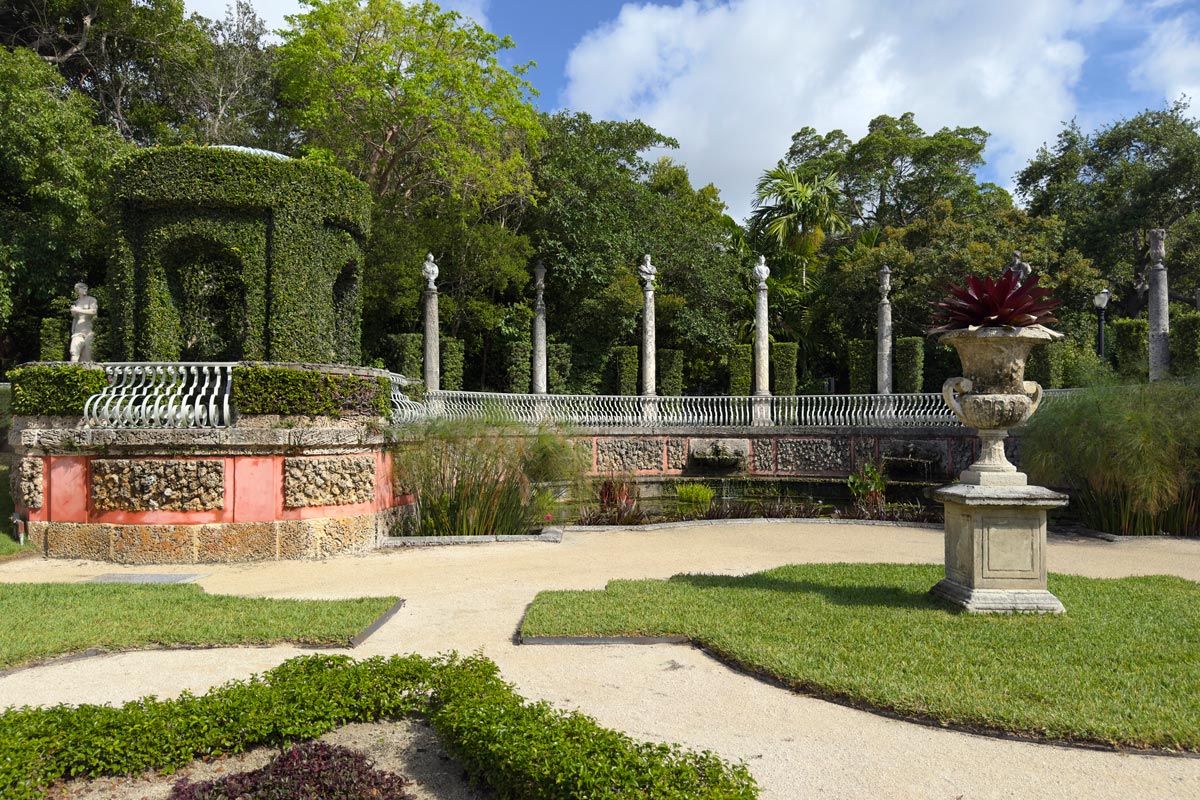
Deering commissioned the sculptures for the Barge from American sculptor Alexander Stirling Calder in 1915. Calder decorated it with sea creatures, mythological figures and fantasy forms. In Deering’s day, mature trees grew on the Barge, a pavilion stood there and fountains operated. It was both protection from nature and a place of entertainment. Utilitarian engineering had been dressed as an antique fantasy.
That is what makes the Stone Barge such a brilliant detail. An ordinary millionaire would have built a wall. Deering built a mythological ship.
Even here, authenticity is deceptive. Salt water, storms and time gradually damaged the stone and sculptures. Some of Calder’s original figures were eventually replaced with replicas, while the originals were moved into storage to protect them from further deterioration. The result is an almost perfect metaphor for Vizcaya: visitors now look at copies of sculptures that were originally made to appear older than their own age. A copy of an artificially aged fantasy - and still beautiful.
A house not for a historian, but for a director
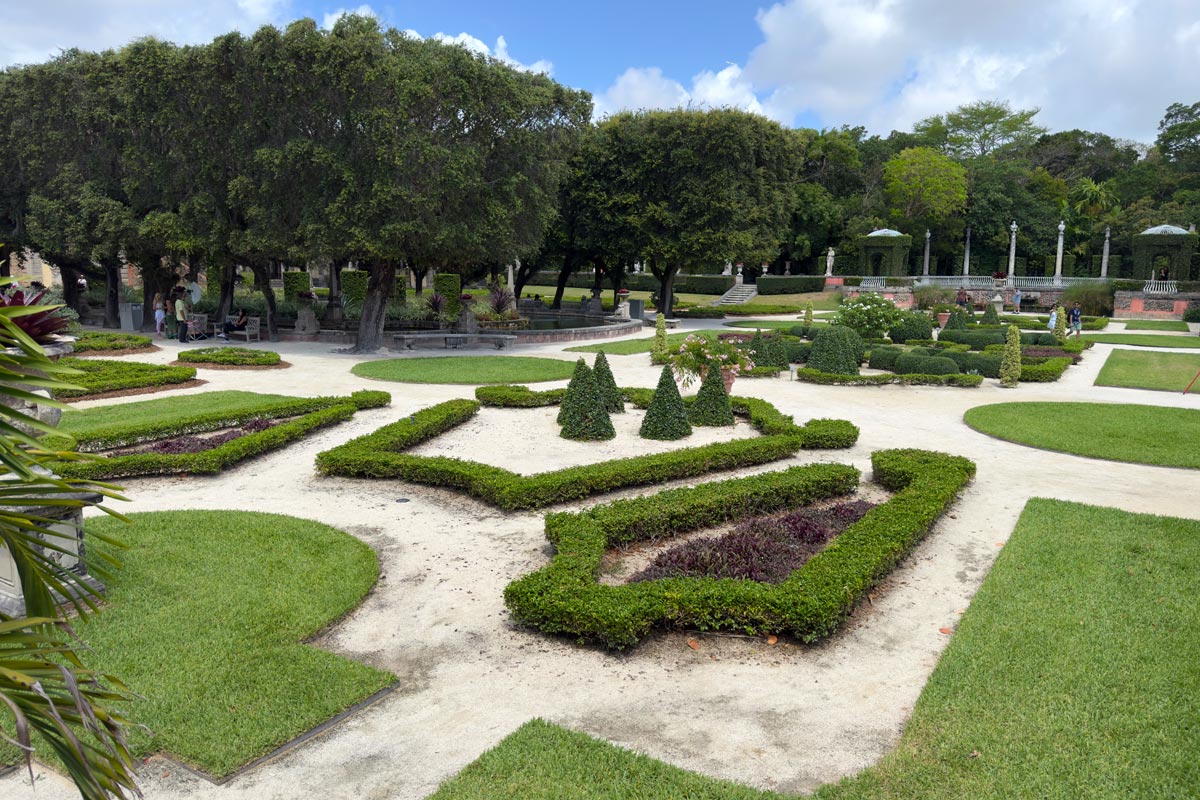
Inside the house, the game continues. Vizcaya does not try to be historically “pure.” It mixes periods, styles, countries and moods: Renaissance, Baroque, French and Italian motifs, classical references, early twentieth-century American technologies, tropical plants and the humid air of Florida. From an academic point of view, such a mixture could look chaotic. But it does not feel chaotic, because it is organized not by museum accuracy, but by theatrical logic.
This is not the house of a historian. It is the house of a director.
Each room does not tell us “which century are we in,” but “what feeling should we have.” The point is not fidelity to a period, but the effect of accumulated time. The guest must believe that the house has lived longer than it has. That its objects arrived here gradually, through inheritance, marriages, wars, journeys and family whims. In reality, that “natural” layering was created quickly, deliberately and at enormous expense.
That is why cinema loves Vizcaya so much. The villa is already a film set pretending to be a home. It has appeared in films and productions including Iron Man 3, Bad Boys II and Ace Ventura: Pet Detective. Hollywood did not need much explanation of what this place was. Vizcaya already speaks the language of cinema: wealth, secrecy, danger, European luxury, a little decadence, a little theatre.
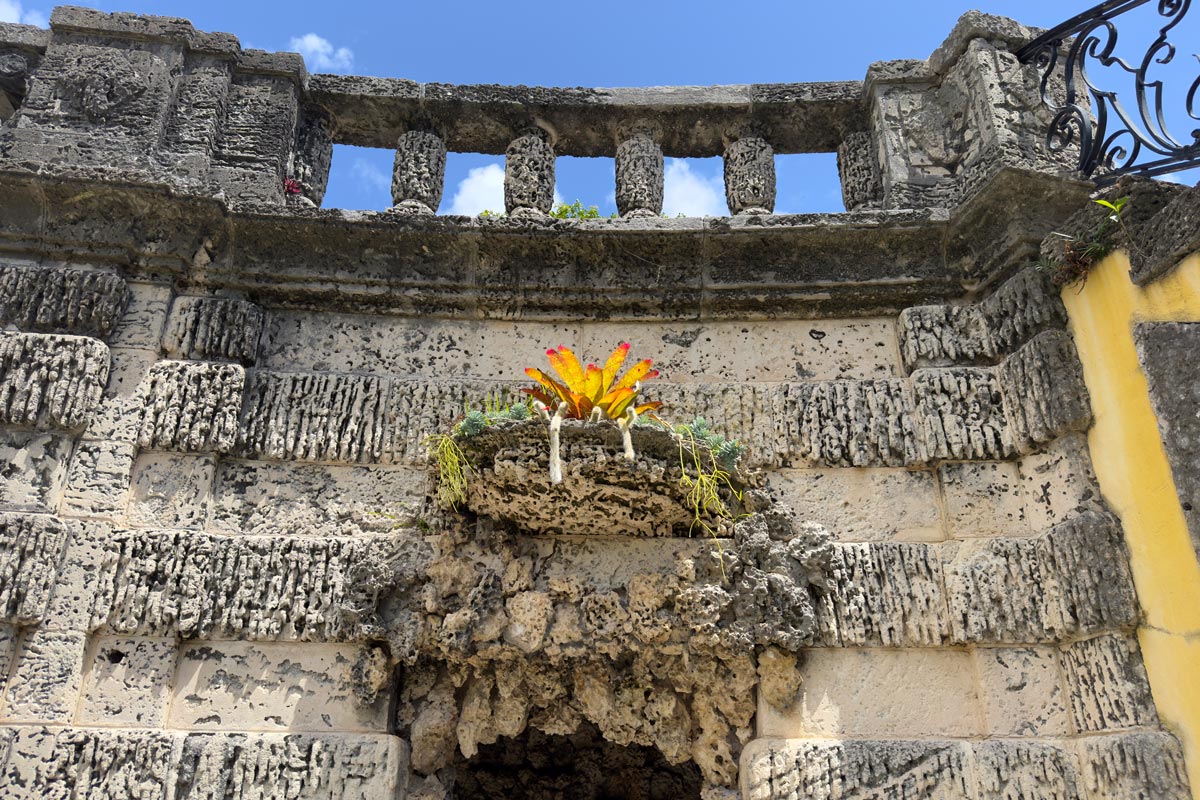
And yet it would be too easy to call Vizcaya a beautiful lie. In truth, it reveals something more interesting: the way culture creates authority through age. Old things seem wiser to us than new ones. An antique door feels more important than a new door. Worn stone commands more respect than fresh concrete. We trust patina, even when we know it may have been deliberately produced. We willingly believe a space if it looks as though it has lived longer than we have.
Vizcaya exploits this human weakness brilliantly.
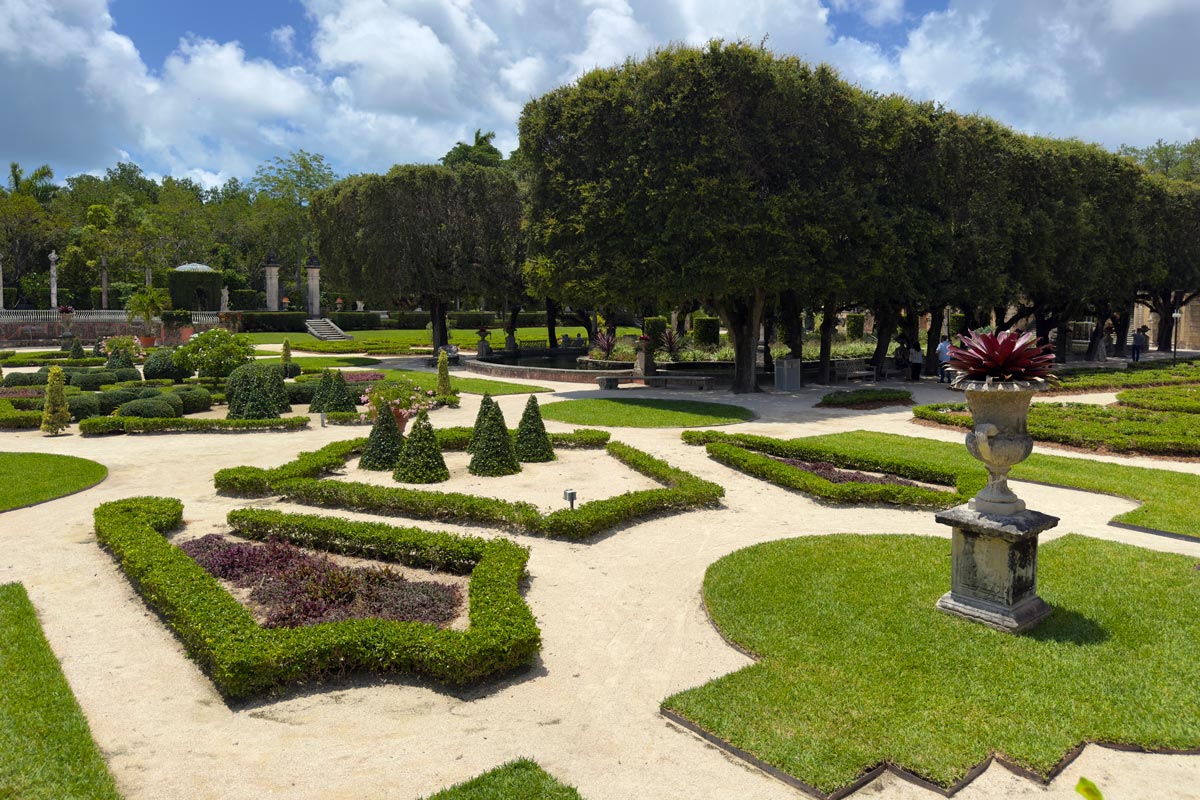
It says: “I am ancient,” although it was built in the twentieth century. Then it adds: “But my details really are ancient.” It says: “I am European,” although it stands in Miami. Then it proves it with a Venetian ceiling, Italian gardens, French inflections and classical references. It says: “I am a private villa,” although today it is a public museum. It says: “I am a stage set,” but turns out to be an engineering, artistic, social and historical document.
In this sense, Vizcaya is one of the most honest houses in America precisely because it is so openly built on make-believe. It shows how a new country purchased old symbols, how industrial wealth was converted into cultural capital, how a tropical city tried on a European mask and how a private fantasy became public heritage.
Today, Vizcaya is no longer understood only as the home of James Deering. It is part of Miami’s cultural memory - a city that is itself constantly reinventing its identity. Miami loves masks too: resort paradise, Latin American capital, financial centre, party city, real estate city, art city, migration city, climate-risk city. Against this background, Vizcaya does not seem foreign at all, but almost prophetic. It was built as a carefully manufactured identity long before Miami made reinvention its principal style.
Some houses tell the story of a family. Some palaces tell the story of a state. Vizcaya tells the story of desire: the desire to be older, deeper, more noble than one is; the desire to build a biography out of stone; the desire to defeat the youth of a place with imported memory.
James Deering did not create an ancestral villa. He created the illusion of an ancestral villa.
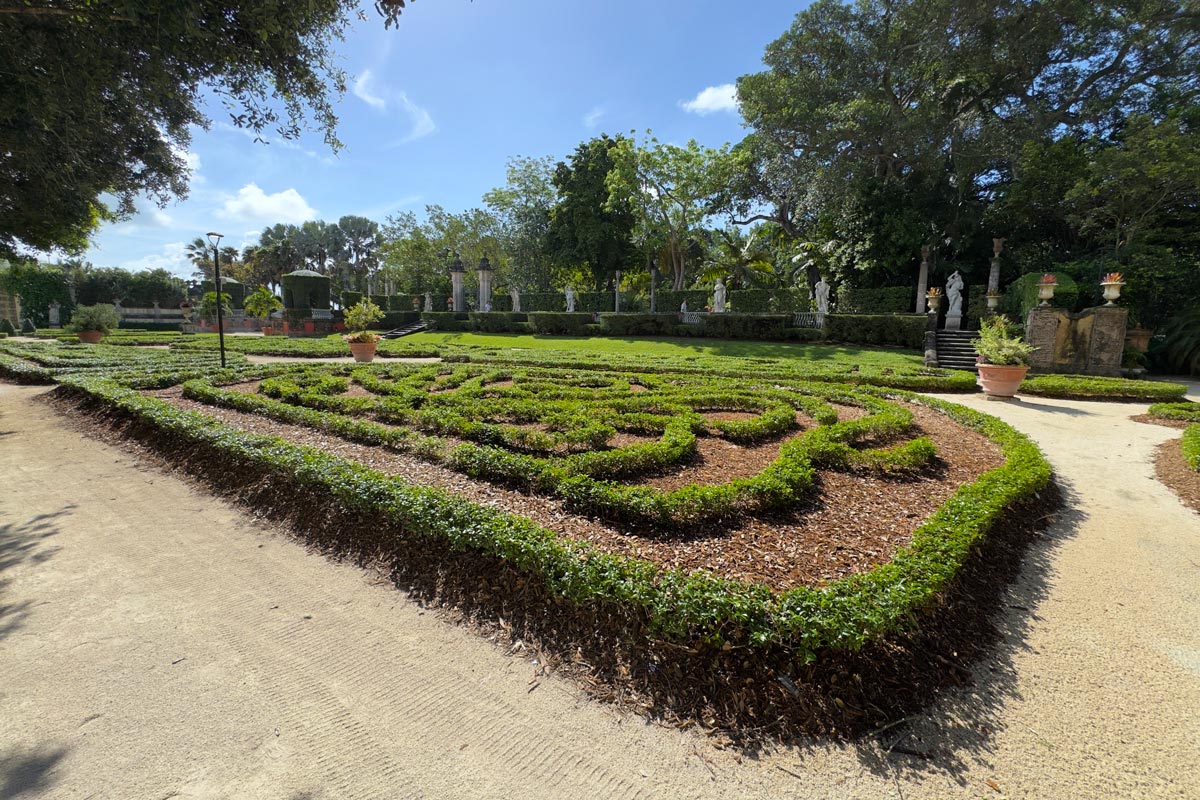
And more than a century later, the illusion still works. Visitors pass through the loggia, look toward the water, photograph the gardens, study the rooms and trust the eye more than the calendar. The house still seems older than its own passport. The Barge still looks like a decorative island, although it protects the shore. The sculptures still pretend to be ancient, although some are now replicas. European fragments still live in the American tropics with such confidence that they seem always to have belonged there.
Vizcaya is not just a villa in Miami. It is one of the most beautiful architectural deceptions in America.
And perhaps that is exactly why it is so easy to believe.