

Proven by time, updated for the future: the new Nissan Leaf
Building an expensive electric car is relatively easy. The harder task is to create an EV that does not feel like a compromise, does not frighten buyers with its price and fits into ordinary life. That was the idea behind the Nissan Leaf from the beginning. It was never trying to be a luxury technology flagship, never playing the numbers game for its own sake, never pretending to be something impossible. Its mission was more difficult: to prove that an electric car could be mass-market, understandable and attainable.
The first Leaf appeared in 2010 and became one of the world’s first truly mass-produced electric vehicles. It was brave, honest and hugely important for the industry, but it was not perfect. Modest range, controversial styling, limited fast charging and a battery without full liquid thermal management eventually became its weaknesses. As the market moved forward, the Leaf gradually began to look less like a pioneer and more like a veteran waiting too long for a second chance.
Now that chance has arrived. The 2026 Nissan Leaf is no longer just an updated hatchback. It is the third generation of the model, fully rethought for today’s EV reality: with a more mature design, a 75-kWh battery, up to 488 km of EPA-estimated range for the S+ version, DC fast charging at up to 150 kW, a NACS port for access to compatible Tesla Supercharger stations and a modern digital environment with available Google Built-In. For a car that still aims to remain reasonably priced, this is a serious step forward.
An electric restart
The new Leaf matters not only to buyers, but to Nissan itself. The brand has long needed a convincing electric product in the mainstream segment - not too expensive, not too experimental, not too niche. This is where the new Leaf arrives at the right moment. It no longer looks like an odd first attempt from the early EV era. It looks like a normal modern compact EV that can be considered without making excuses for its pioneer status.
The key figures are now genuinely respectable: a 75-kWh liquid-cooled battery, 214 hp, 261 lb-ft of torque, front-wheel drive, up to 303 miles or 488 km of range in the longest-range S+ version, and charging from 10% to 80% in about 35 minutes on a compatible DC fast charger. For an everyday car, this is no longer an “urban EV with caveats,” but a real option for commuting, family use and weekend trips.
It is especially important that Nissan has finally moved away from the biggest technical compromise of the previous Leaf: the new battery has liquid cooling. For the North American market, where a car must work in both hot climates and Canadian winters, this is a fundamental improvement. It makes the Leaf more competitive not only on paper, but in real-world ownership.
Less weirdness, more maturity
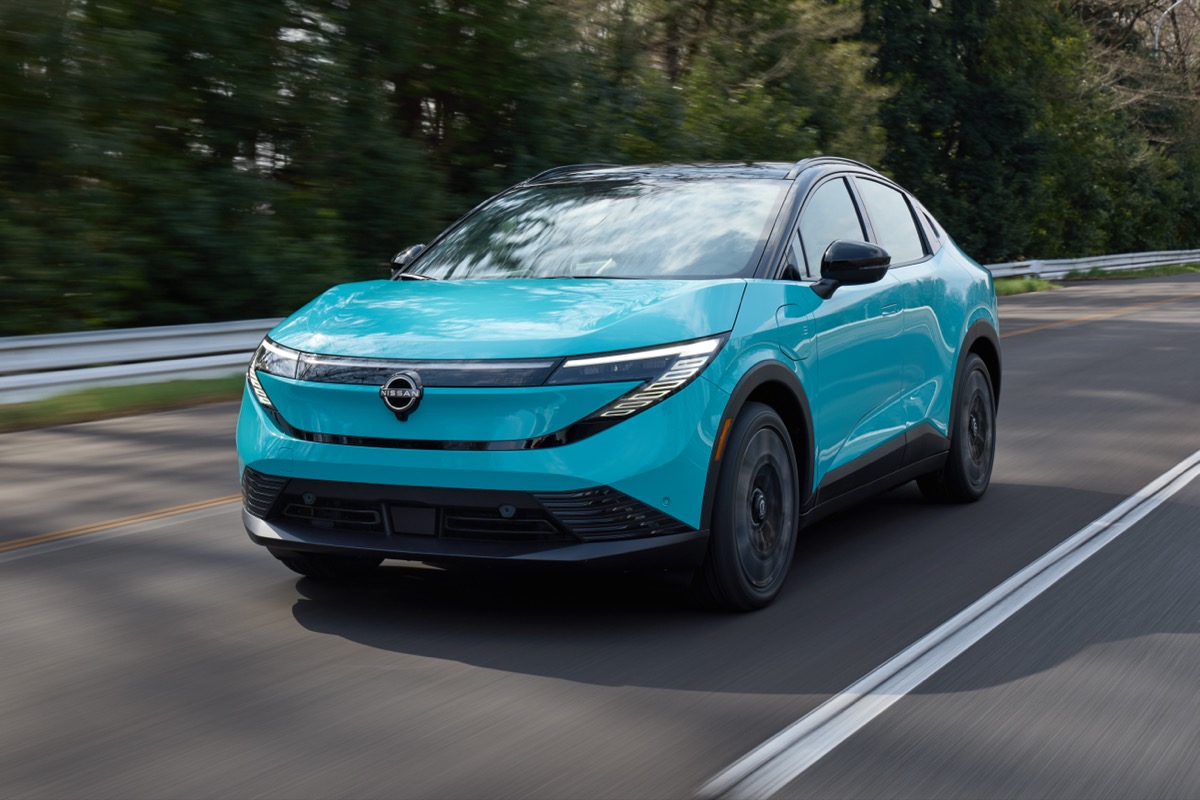
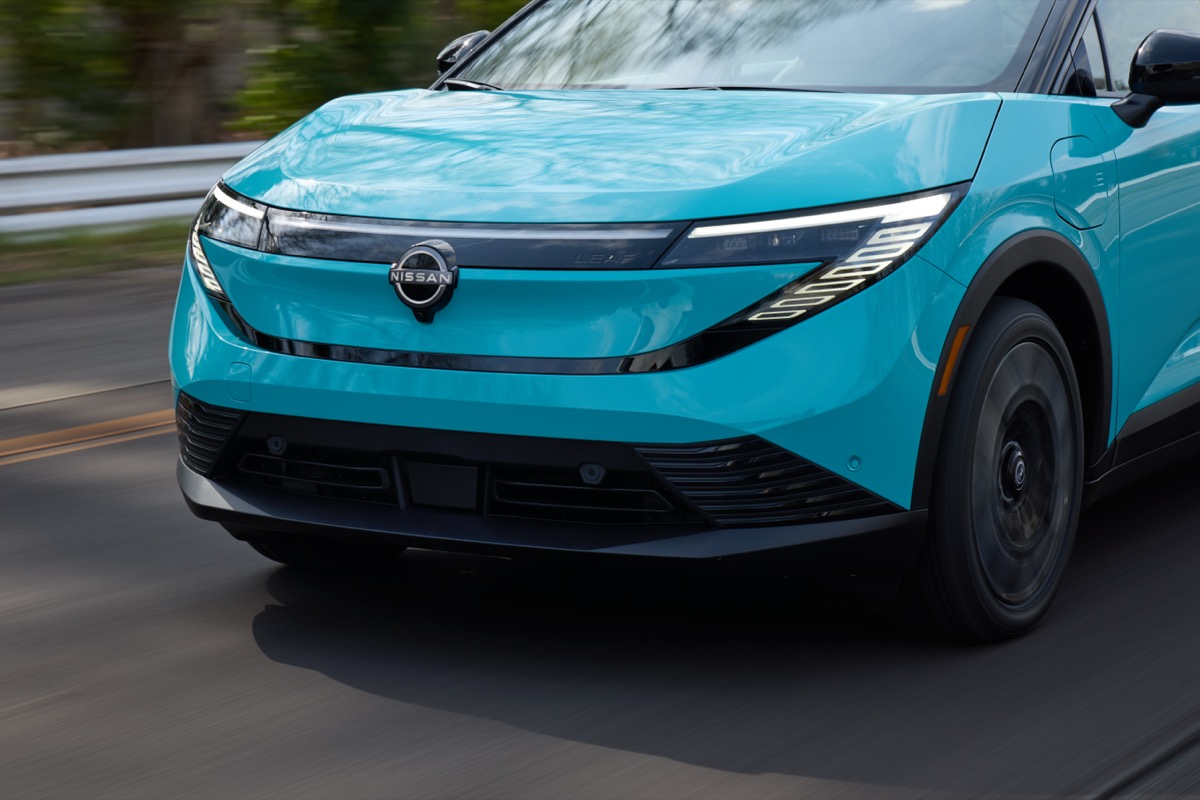
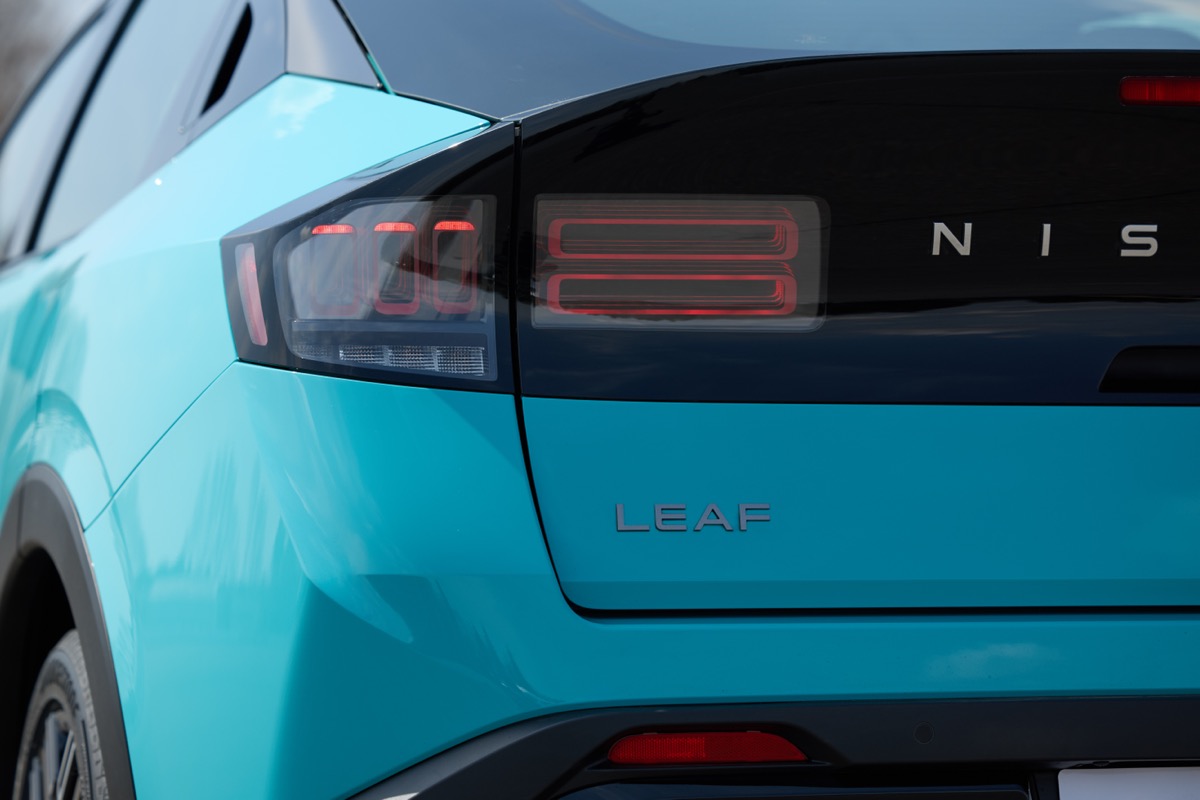
Visually, the new Leaf no longer tries to be an exotic symbol of the ecological future. It has become closer to a compact fastback-crossover: taller, more modern, calmer and more premium in appearance. The influence of the Nissan Ariya is visible, but the Leaf remains smaller and easier to live with in the city. That matters in an era when many new vehicles are becoming larger, heavier and more expensive.
The new design is not only about style, but efficiency. The smoother body, cleaner lines and improved aerodynamics help increase range without simply adding more battery. In a good mainstream electric car, this is exactly the point: not just installing more cells, but achieving a sensible balance between price, weight, range and usability.
In character, the Leaf remains a front-wheel-drive car. It is not a sports car and not an attempt to compete with performance versions of Tesla. But that is not a problem. Its job is to be pleasant, quiet, quick in the city, confident on the highway and lively enough that the owner does not feel they chose a purely rational appliance. Early road tests have praised its responsiveness, calm handling and noticeably more mature driving feel.
Charging without old anxieties
One of the most important changes is the move to a modern charging setup. The new Leaf has an unusual but practical arrangement: a J1772 port for AC charging at home or at Level 2 stations, and a NACS port for DC fast charging, including compatibility with the growing Tesla Supercharger network. For North American buyers, this is a serious advantage, because access to reliable charging infrastructure often matters more than attractive numbers in a brochure.
Maximum DC fast-charging power is up to 150 kW. That is not a class record, but for a battery of this size and a vehicle positioned this way, it is perfectly reasonable. Charging from 10% to 80% takes around 35 minutes. For longer trips, this means the Leaf no longer feels like a car you are afraid to take beyond the city.
Nissan is not chasing absolute records here. And that is the right choice. In the budget and mid-price EV segment, predictability matters more: clear charging, decent speed, a reliable battery, convenient route planning and no sense that every trip requires engineering-level preparation.
Interior and technology
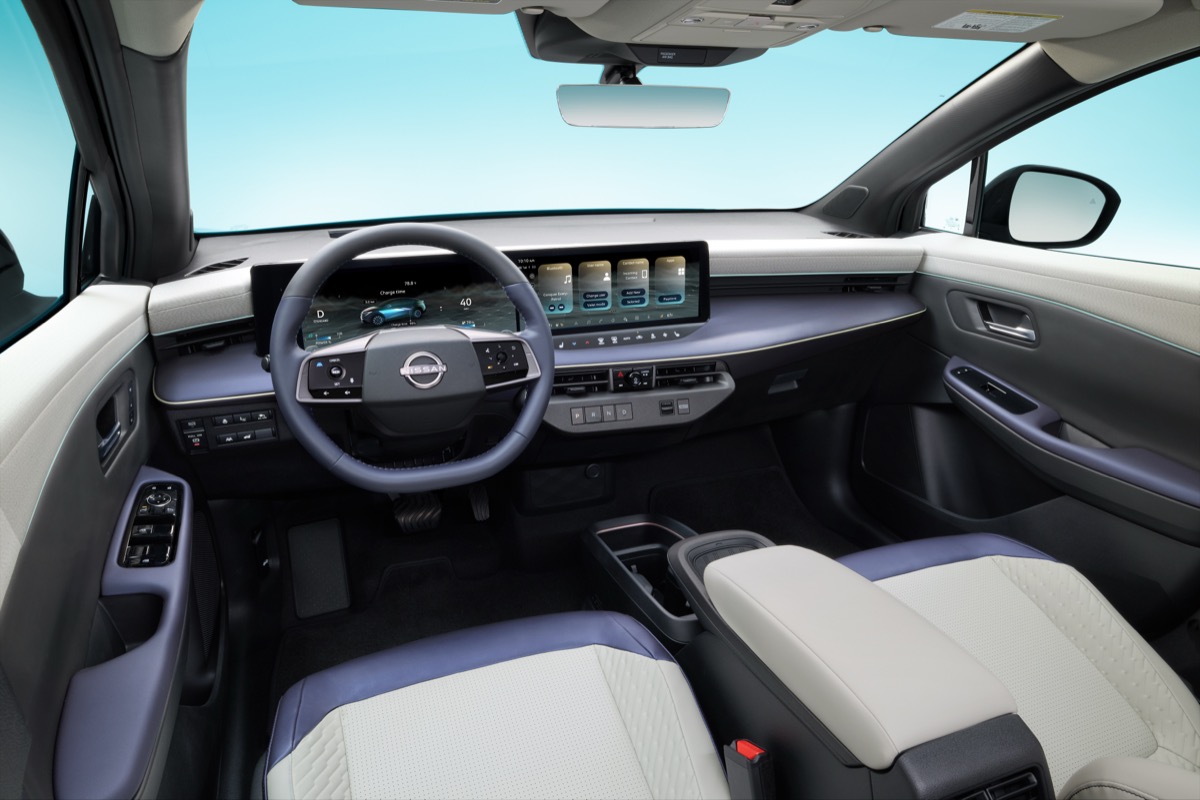
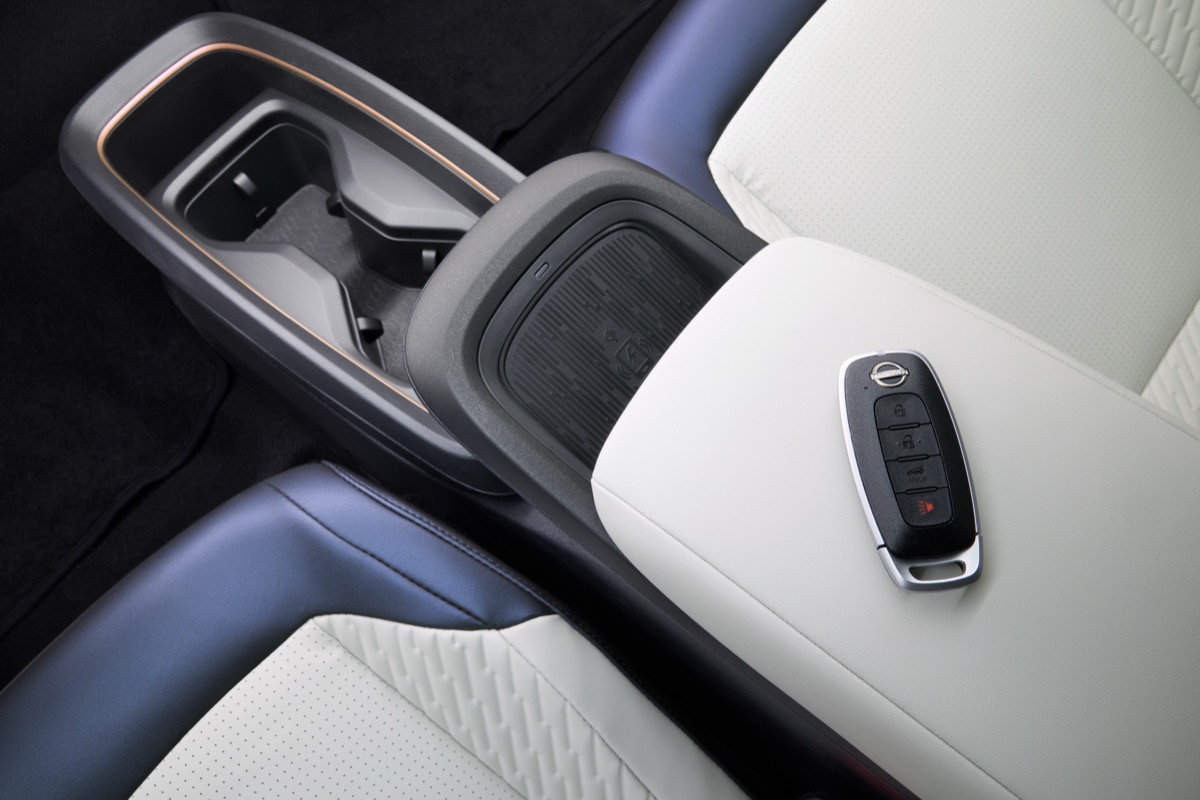
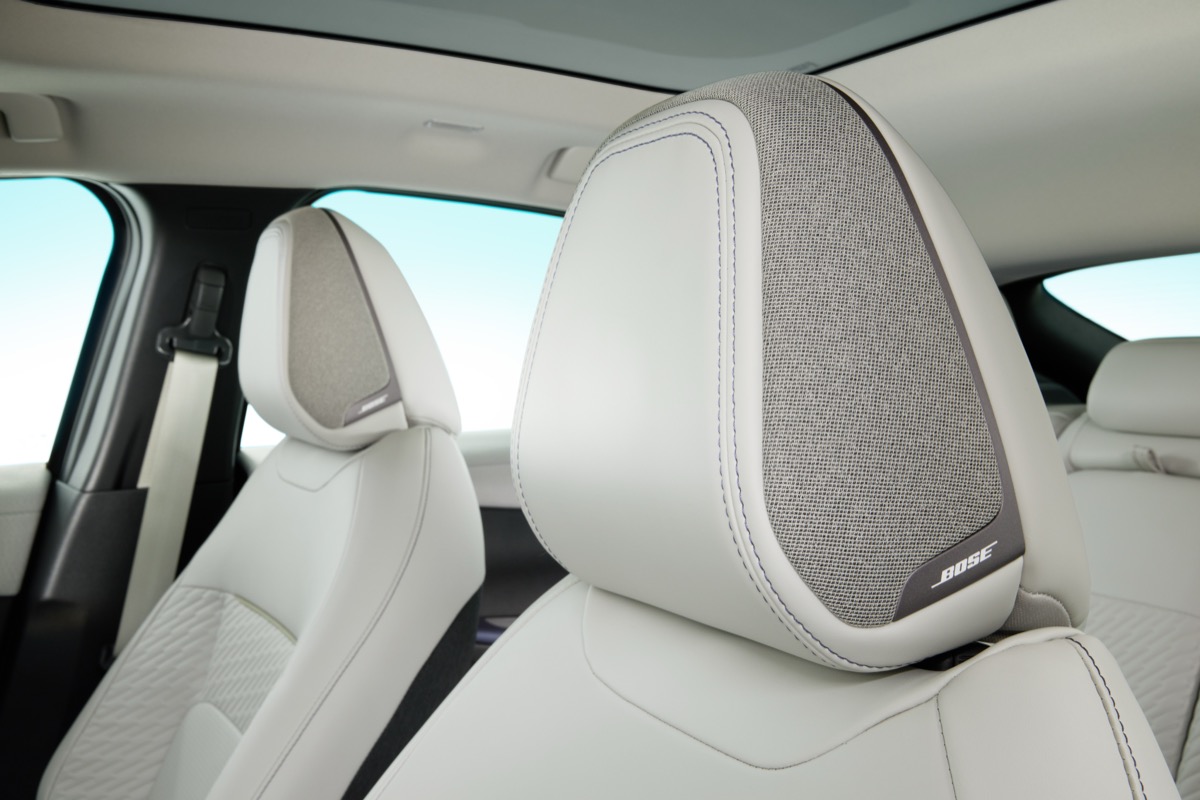
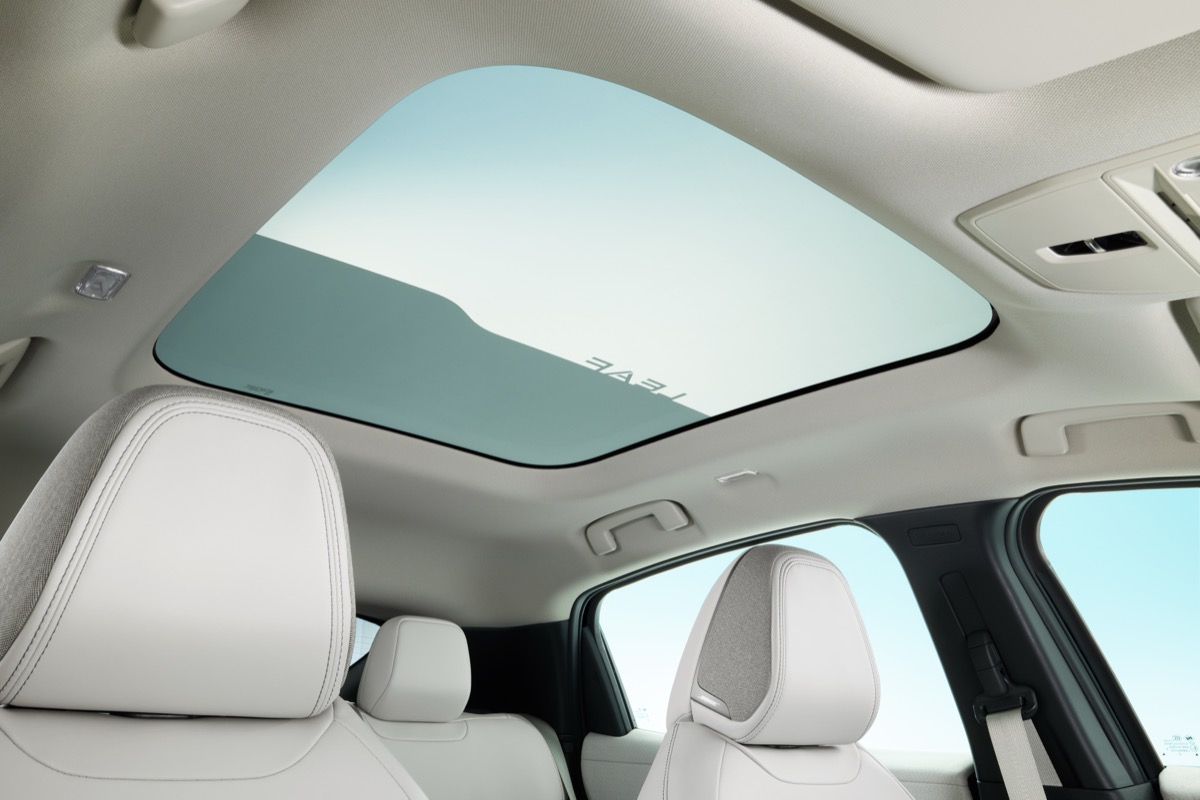
The cabin is one of the new Leaf’s strongest arguments. In base versions, some cost-conscious materials remain, and that is normal for a car that is meant to stay accessible. But the overall architecture is modern: a digital instrument display, a clean central screen, more comfortable seats, improved sound insulation and the impression that the interior was designed for today’s buyer, not only for early EV enthusiasts.
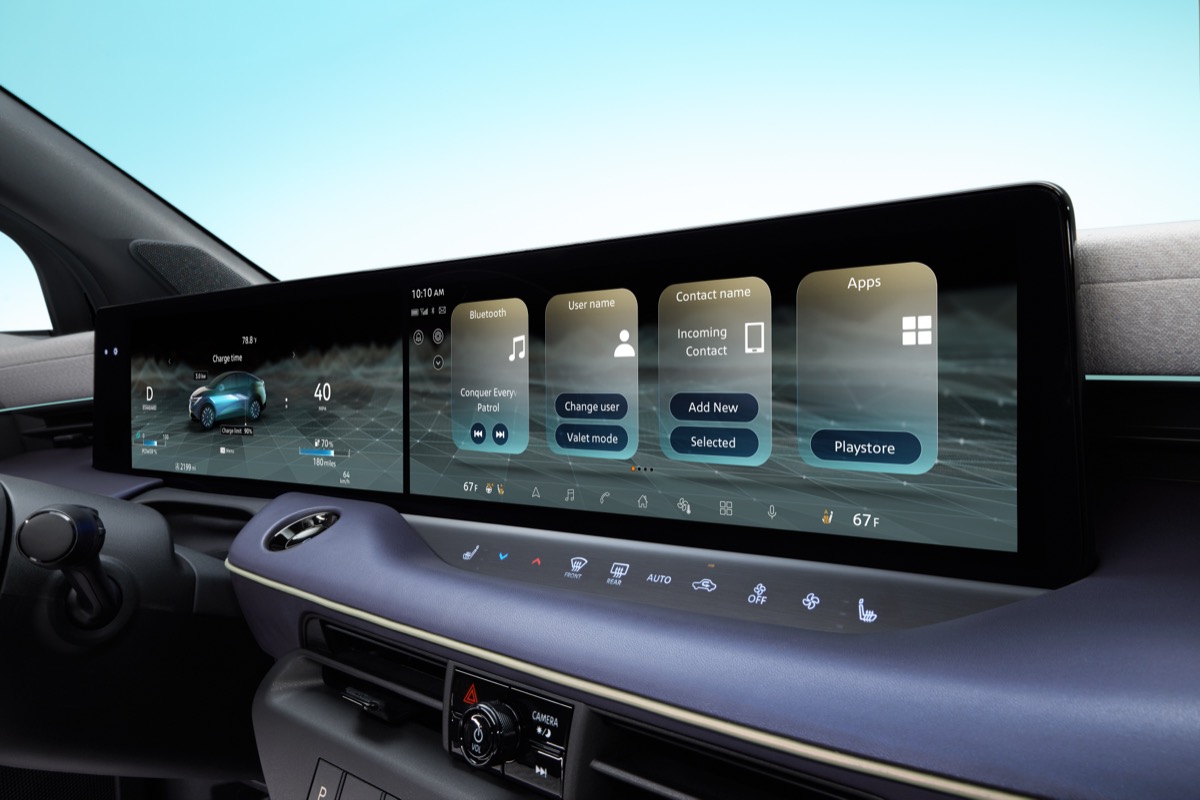
Higher trims offer large 14.3-inch displays and Google Built-In. This is more than a fashionable feature. Google Maps with route and charging planning, information about time to 80%, battery temperature and navigation to charging stations makes an electric car much easier to use. In an EV, a good digital environment is not decoration; it is part of real functionality.
The Leaf also gains a more modern suite of driver assistance features, including Nissan Safety Shield 360. Depending on the trim, additional functions, cameras and conveniences are available, making the car a stronger choice for families, city driving and daily use.
Price and positioning
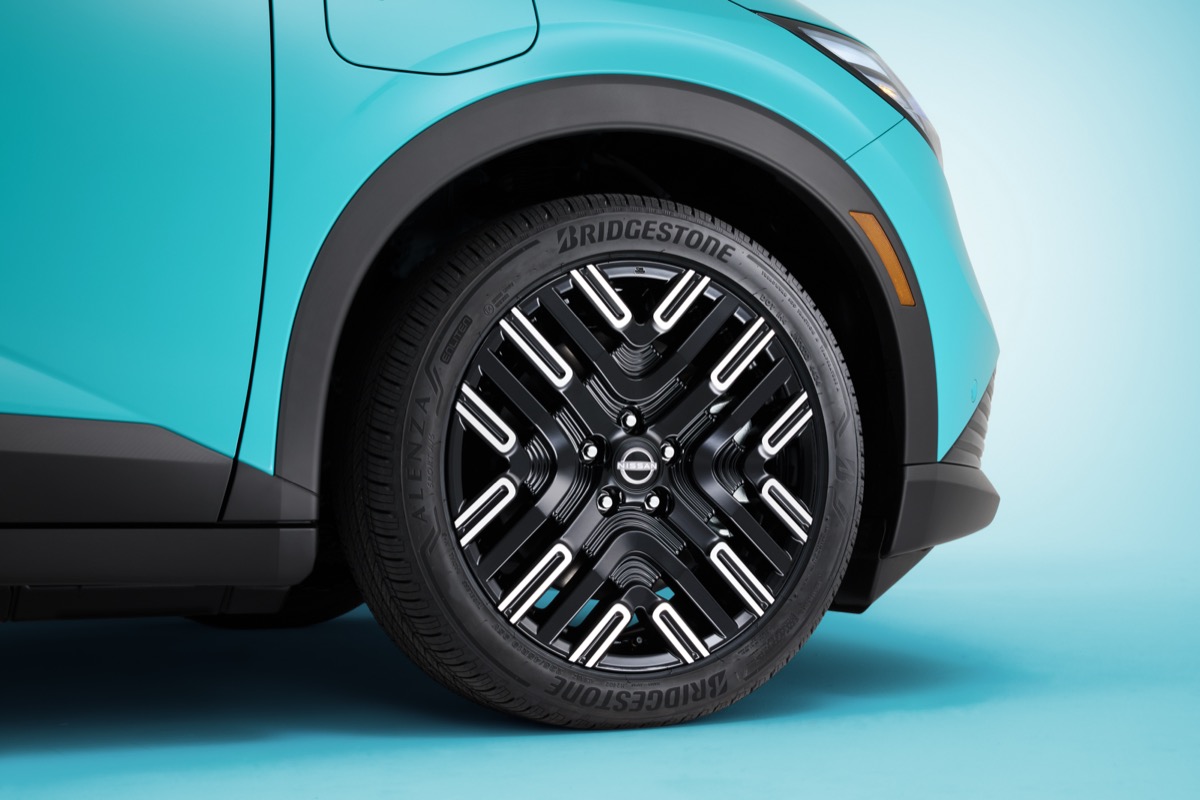
In the United States, the new Leaf starts at roughly $31,500 including destination charge for the S+ version, while Nissan separately announced a lower price before mandatory fees. The mid-level SV+ looks like the most balanced choice: it adds more technology and comfort without pushing the car too far away from the idea of an attainable EV. The top Platinum+ moves closer to $40,000, offering richer equipment but losing some range because of heavier wheels and additional features.
In Canada, prices are notably higher: the S+ starts at approximately $44,998 CAD, the SV+ at $47,998 CAD and the Platinum+ at $52,798 CAD. That makes the conversation different, especially for buyers in Ontario, where EV price sensitivity remains high. For the Canadian market, the key question will not only be how good the new Leaf is, but also what incentives, financing offers and real dealer pricing can make it persuasive against the Hyundai Kona Electric, Kia Niro EV, the next-generation Chevrolet Bolt and other compact electric vehicles.
Even so, the Leaf’s positioning is much stronger than before. It no longer looks like an outdated choice for someone who simply wants the most basic EV. It is now a rational, modern and genuinely pleasant electric car with usable range, NACS charging access and a model history proven over time.
Why the new Leaf matters
The main strength of the new Leaf is not any single number. Not just the range, not just the price, not just Google Built-In and not just NACS. Its real strength is that Nissan has finally gathered the basic expectations of a modern electric car into one understandable product. This is exactly what the mainstream EV market has long needed: not another expensive technology flagship, but a normal electric car for normal life.
Of course, the Leaf still has compromises. Front-wheel drive will not please everyone. Maximum charging power is not a record. Base versions are simpler in equipment. Some competitors may offer more space, more expressive design or stronger performance. But the new Leaf no longer needs to be justified. It can simply be considered as a serious option.
And that is its real victory. The first-generation Leaf proved that a mass-market electric car was possible. The new generation proves that a mass-market electric car can be mature, long-range, technological and still relatively attainable. If the EV future is truly going to become mainstream, it needs not only expensive models with spectacular acceleration, but cars like this - sensible, useful, honest and good enough to stop feeling like a compromise.