

Cadillac Escalade IQ: the Greatest American Car
Automakers are becoming increasingly careful about saying out loud what recently appeared in almost every press release: electric vehicles were created for the sake of the environment. For moving beyond gasoline, for cleaner energy, for a future in which transportation produces fewer harmful emissions. Those arguments are easy to make when the vehicle in question is a compact urban EV. They become far more complicated when you are looking at the Cadillac Escalade IQ — an enormous electric SUV with a 205 kWh battery, the mass of a luxury land yacht and an appetite for electricity that feels almost industrial when it is time to recharge.
The raw materials required for such a battery, the energy needed to produce it, the weight of the vehicle and its less-than-brilliant efficiency make the Escalade IQ an environmentally complicated symbol of the new electric era. This is not an EV anyone can honestly describe as minimalist or modest. But after spending time with it, another argument appears — less rational, perhaps, but very powerful: was the Escalade ever supposed to be modest? The electric Escalade is absolute authority on wheels.
Yes, EV efficiency matters. Yes, the strategy of “just install a gigantic battery” is unlikely to become the universal long-term solution for large electric pickups and giant SUVs. Yes, the mass of such vehicles on the road raises fair questions. The rational part of the brain understands all of this. But another part — the one that has always secretly loved the Escalade for its shameless American luxury — has to admit: on electric power, it has become far more convincing.
After all, the Cadillac Escalade is one of the most American vehicles of the modern era. Not because it is the most practical or the most reasonable, but because it speaks a language America understands better than most: size, comfort, status, power and the unapologetic right to occupy space.
2026 Cadillac Escalade IQ: the driving experience
If any vehicle embodies a certain version of the American dream, the Escalade comes close to perfection. It is huge. It is impossible to ignore. It is openly luxurious, powerful and built to dominate the road. This is the peak of the American interpretation of the luxury SUV: a vehicle as a mobile living room, a private first-class lounge, a direct descendant of those 1960s Cadillacs with enormous tailfins — reimagined for the tastes of the twenty-first century.
It can tow a boat, if you need to tow a boat. And there is something very American about that too.
NBA stars, owners of large suburban estates, ranchers, gated-community mothers, celebrities, businesspeople and, of course, the Kardashian family — the Escalade has long been a symbol of visible success. This is not a vehicle for people who want to disappear into traffic. It is bought so that everyone understands: you have arrived, and you are meant to be noticed.
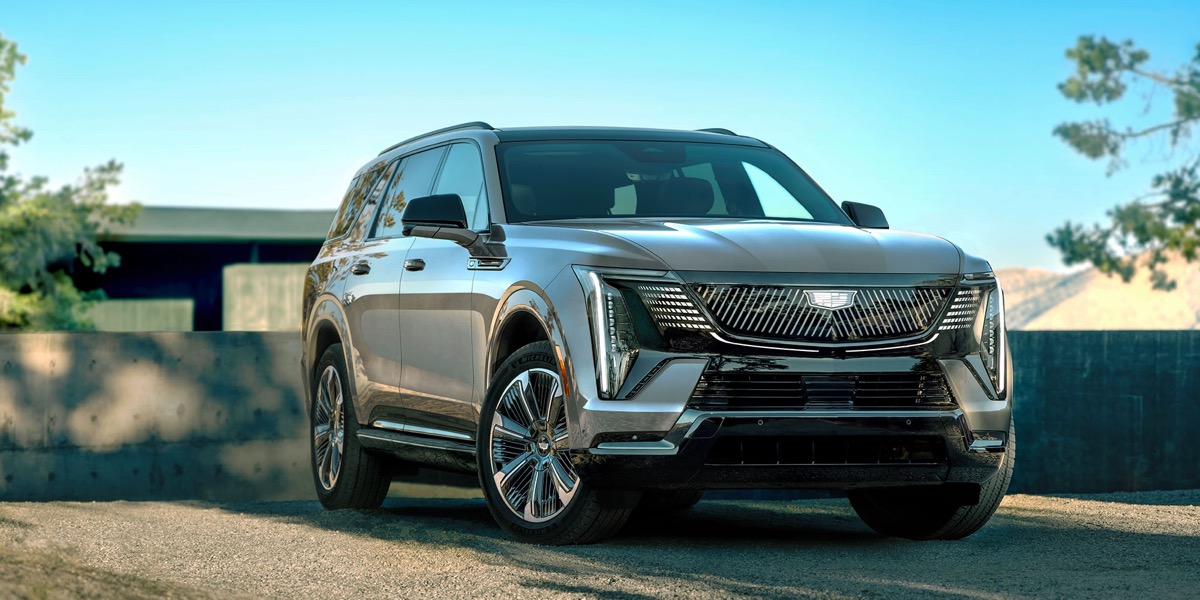
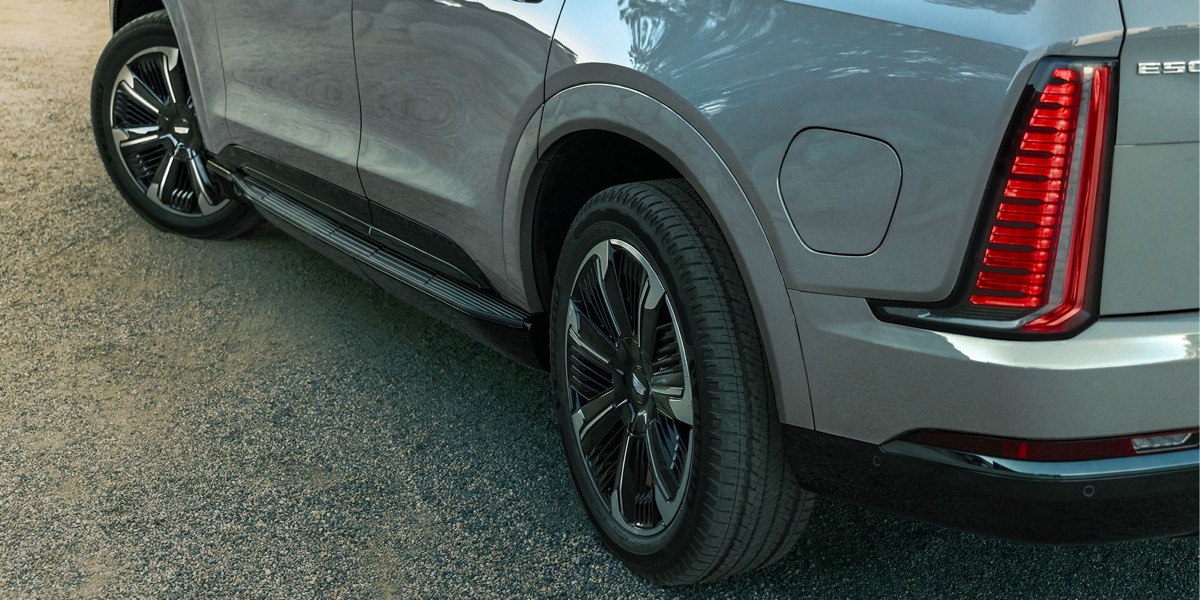
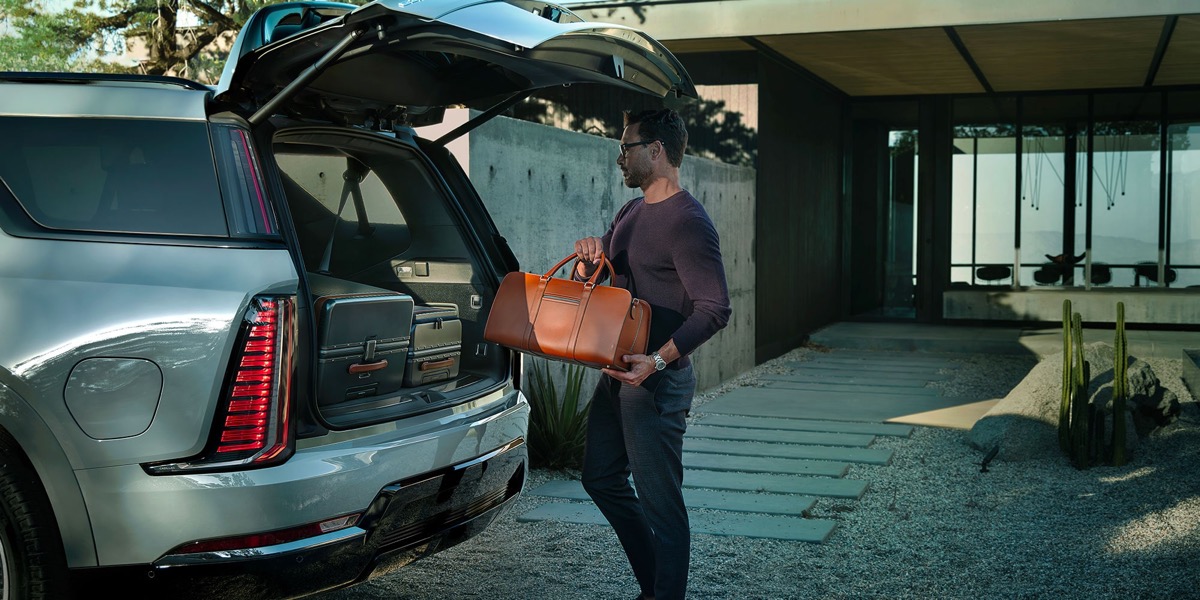
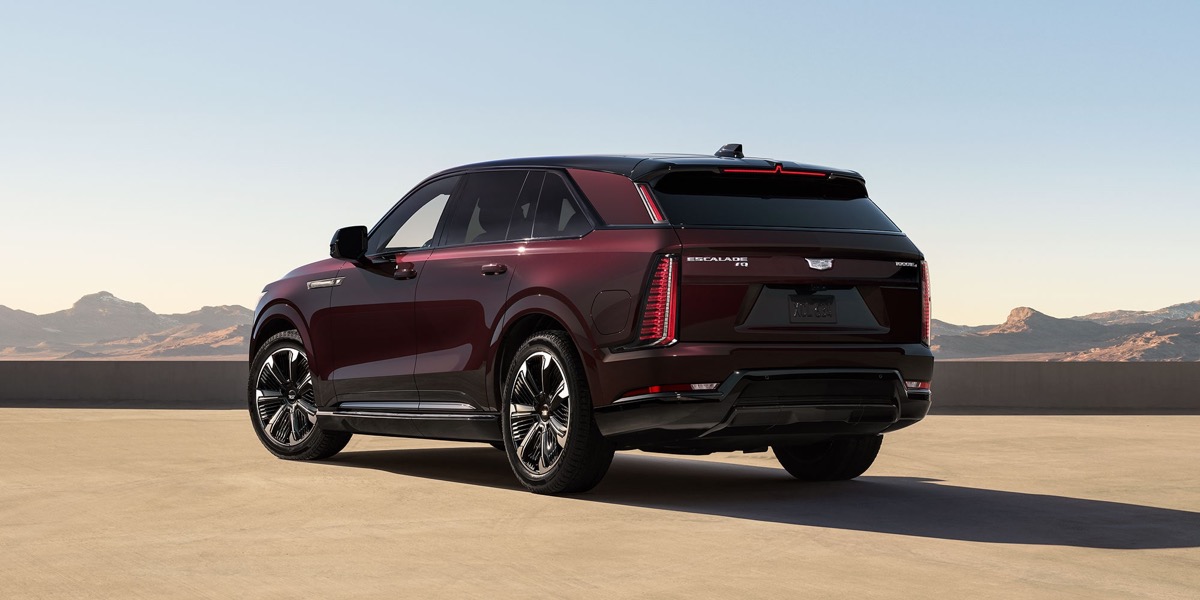
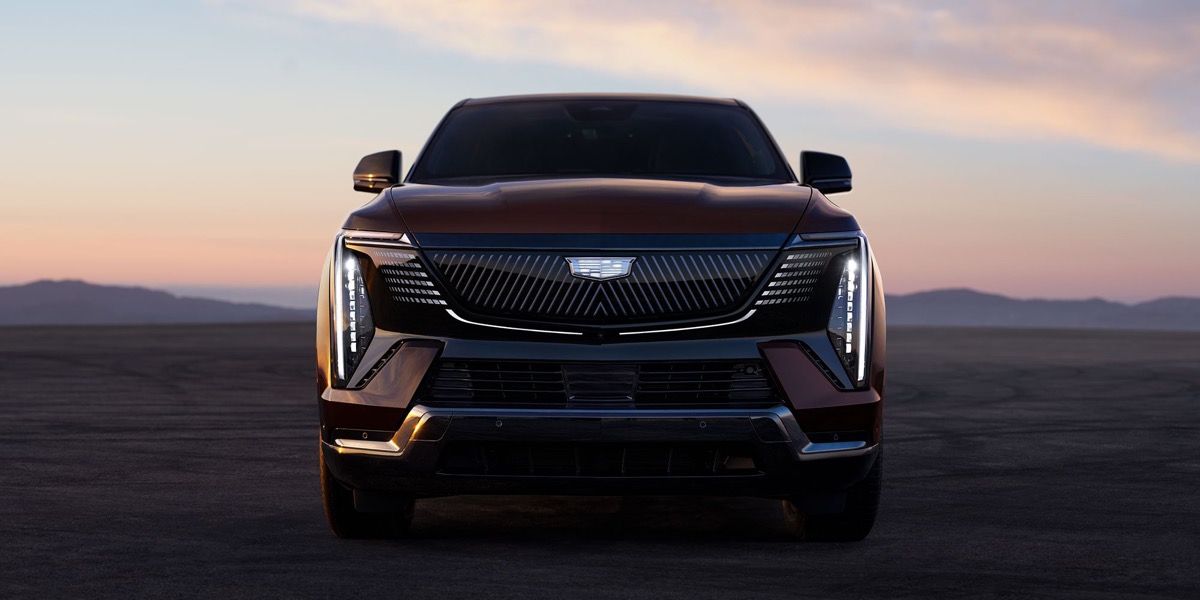
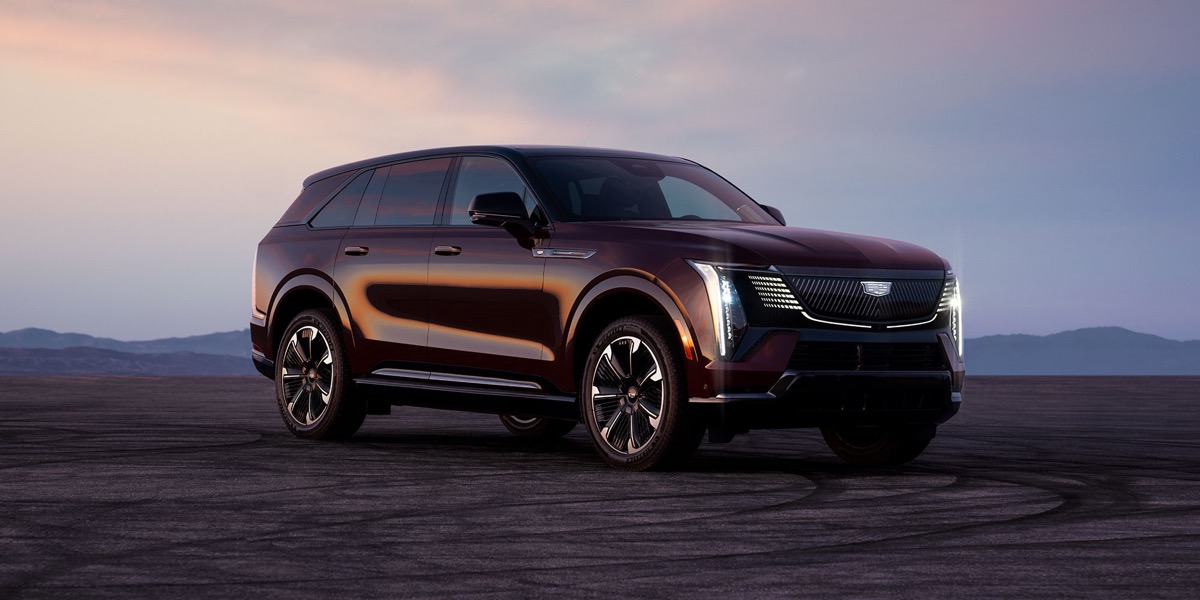
Now the Escalade IQ enters that story. And it is not simply a gasoline Escalade with the engine replaced by a battery. It is effectively a different vehicle, built on GM’s electric architecture and technically related to the company’s other large EVs. It is also larger than the regular Escalade: longer, wider, with a stretched wheelbase and a genuinely imposing presence on the road. And for those who still need more, there is the Escalade IQL — an even longer version with additional space.
GM’s large electric vehicles have received a mixed reaction from the market. They are powerful, long-range and technically interesting, but their size, price and especially the image of the GMC Hummer EV sometimes felt excessive even by American standards. With Cadillac, the situation is different.
The reason is simple: the Escalade’s character transfers perfectly into the electric era. Creating an electric equivalent of a lightweight, charismatic sports car is difficult, because in that world sound, mass, mechanical feel and intimacy with the road matter deeply. The Escalade belongs to a different genre. Here, what matters is powerful acceleration, silence, smoothness, space, confidence on the highway and the feeling that the vehicle is not exerting itself at all.
Electric power amplifies all of those qualities. In standard form, the Escalade IQ produces 680 hp and 615 lb-ft of torque; in Velocity Max mode, output rises to as much as 750 hp and 785 lb-ft. The sprint to 60 mph takes about 4.7 seconds. For a vehicle of this size, that is not merely quick. It is almost absurd.
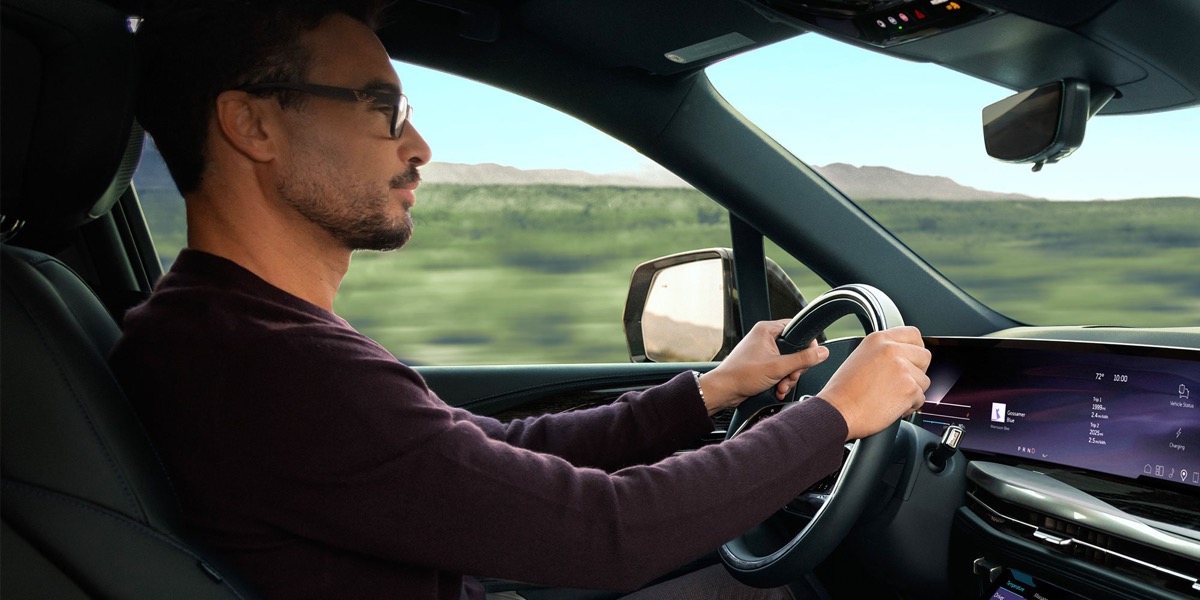
With this much thrust and this much physical presence, few people will want to block you in the left lane for long. One-pedal driving is executed smoothly and confidently, without the abruptness found in some early large EVs. The vehicle is enormous and feels enormous, but four-wheel steering makes it more manoeuvrable than expected. Parking is also less dramatic than the dimensions suggest.
The central paradox of the Escalade IQ is its battery. Capacity is 205 kWh. From the standpoint of resources and efficiency, that is a debatable solution. From the standpoint of the customer, however, it delivers something many EVs still fail to provide: peace of mind. Cadillac estimates range at around 460 miles, or roughly 740 kilometres. That makes the Escalade IQ one of the longest-range electric SUVs on the market.
Admittedly, this result is achieved not through engineering austerity, but through brute force: a massive battery carrying a massive amount of energy. In real life, this is not an efficient EV by normal standards. It consumes a lot, weighs a lot and charges slowly if connected to a typical home Level 2 charger.
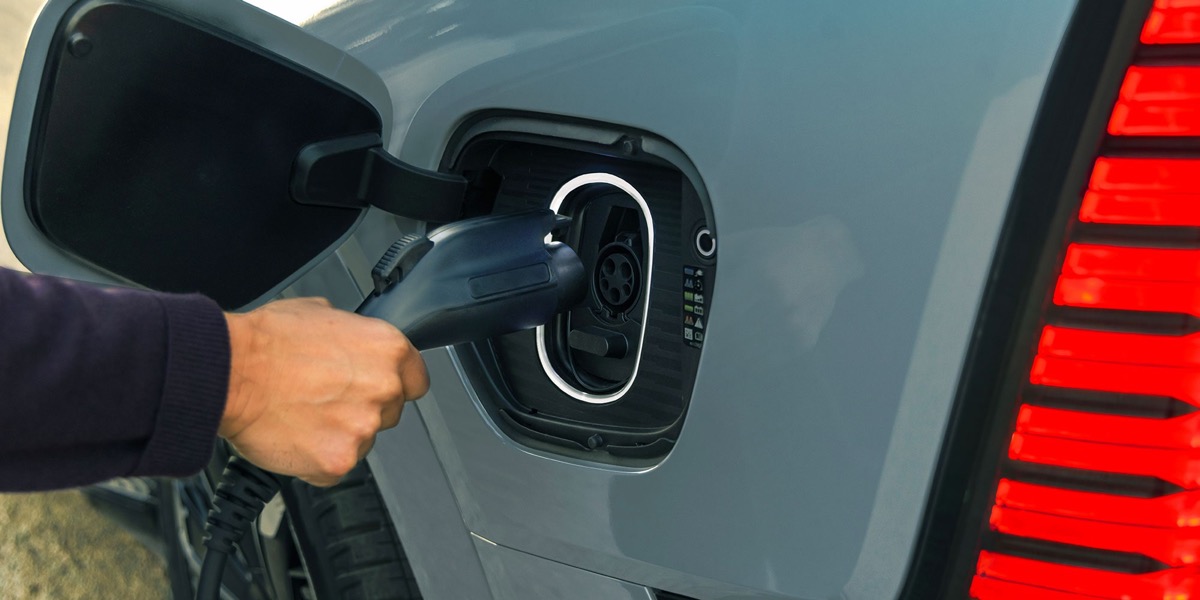
The scale of the Escalade IQ becomes especially obvious when charging. A large battery means that even with decent home charging power, going from a mid-level state of charge to 80% can take many hours. A more compact EV with a battery half the size would recover much more quickly. But that is the Escalade IQ logic: you charge it less often, and even when daily charging is limited to around 80%, the remaining range is still generous.
On DC fast charging, the situation is much better. The Escalade IQ supports up to 350 kW and can add a meaningful amount of range quickly, provided a sufficiently powerful charger is available. But even here, physics cannot be cheated: a battery this large demands serious infrastructure.
Numbers alone, however, do not describe the Escalade IQ. It has to be felt.
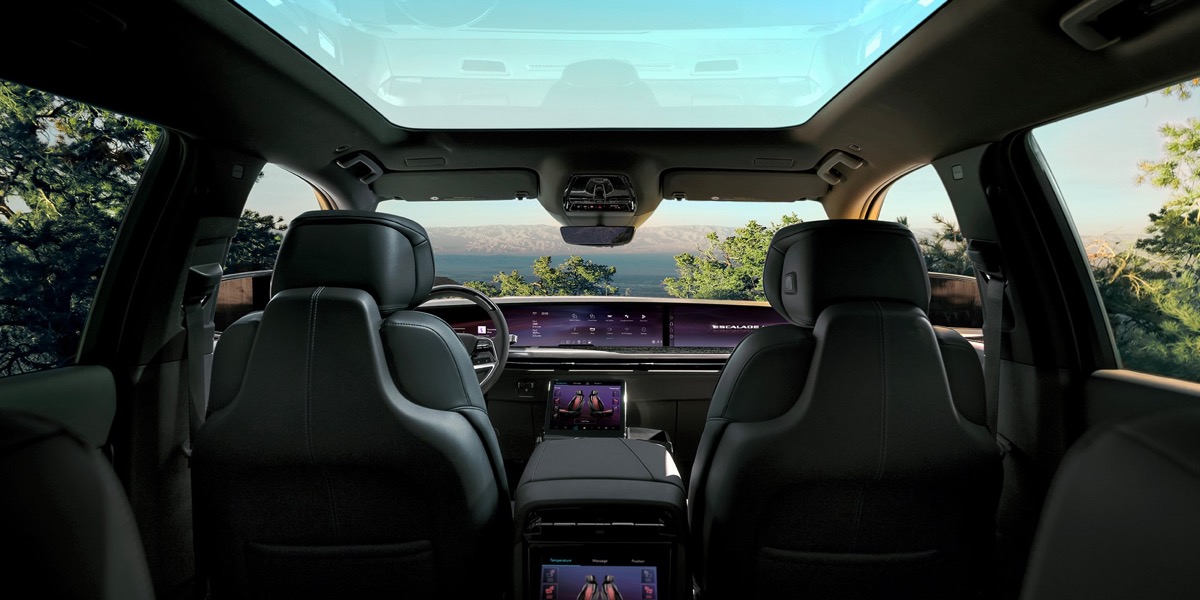
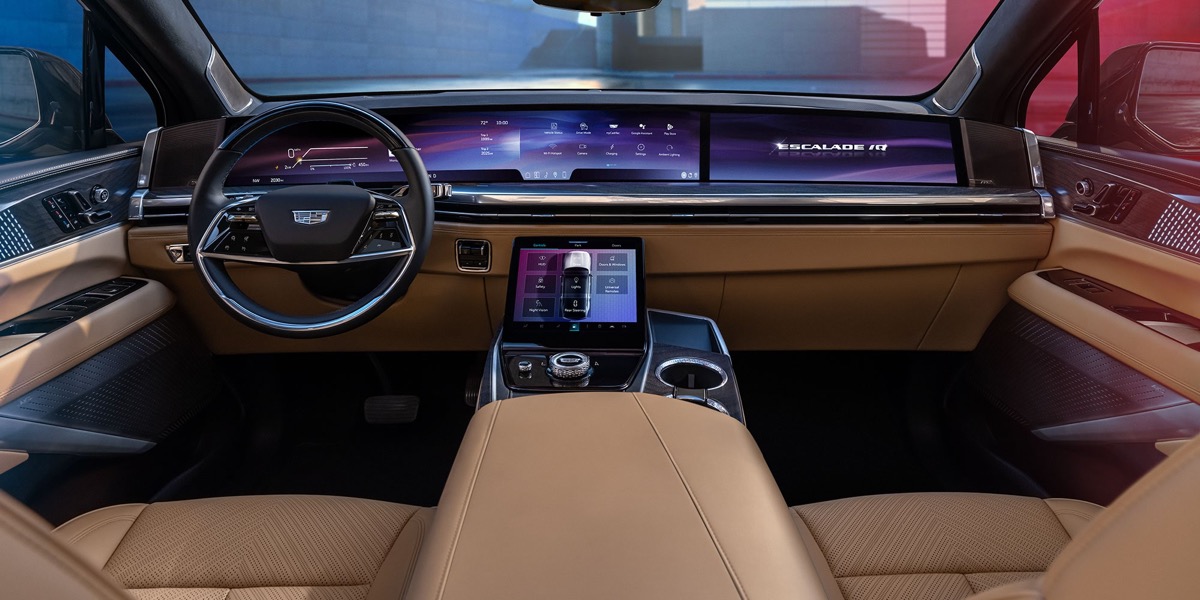
This is an extraordinarily soft, quiet and comfortable vehicle. It drives as if you are sitting in a business-class seat inside a high-speed train: everything happens quickly, but without fuss. There are plenty of screens, including a huge 55-inch LED display spanning the front of the cabin, but Cadillac has not completely abandoned physical controls, and that is the right decision. In a vehicle like this, luxury must be not only digital, but tactile.
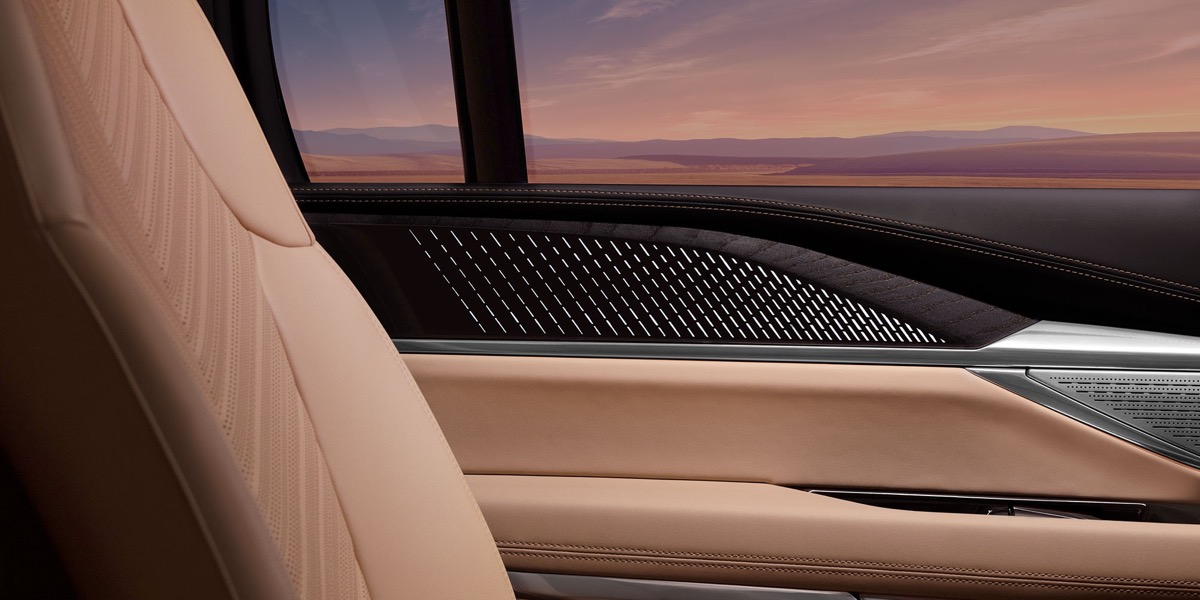
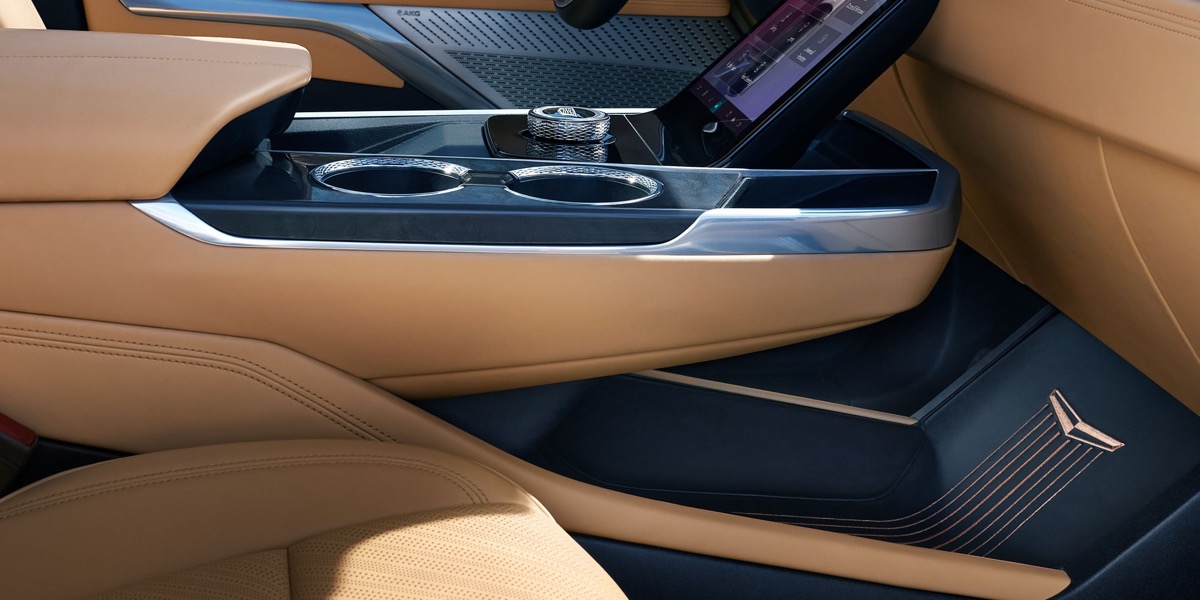
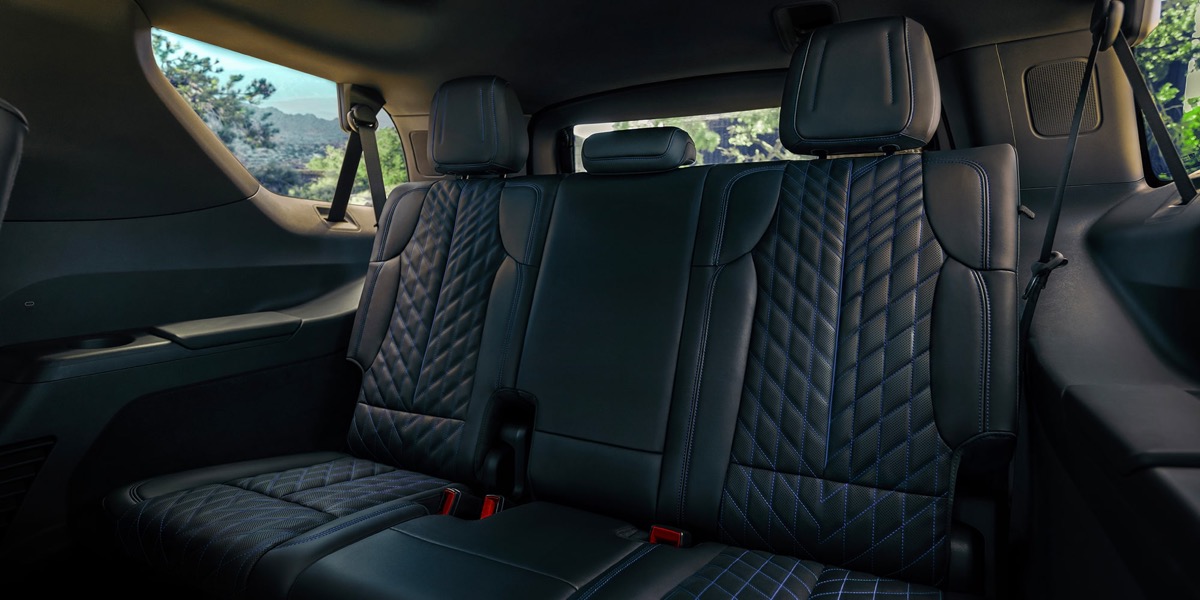
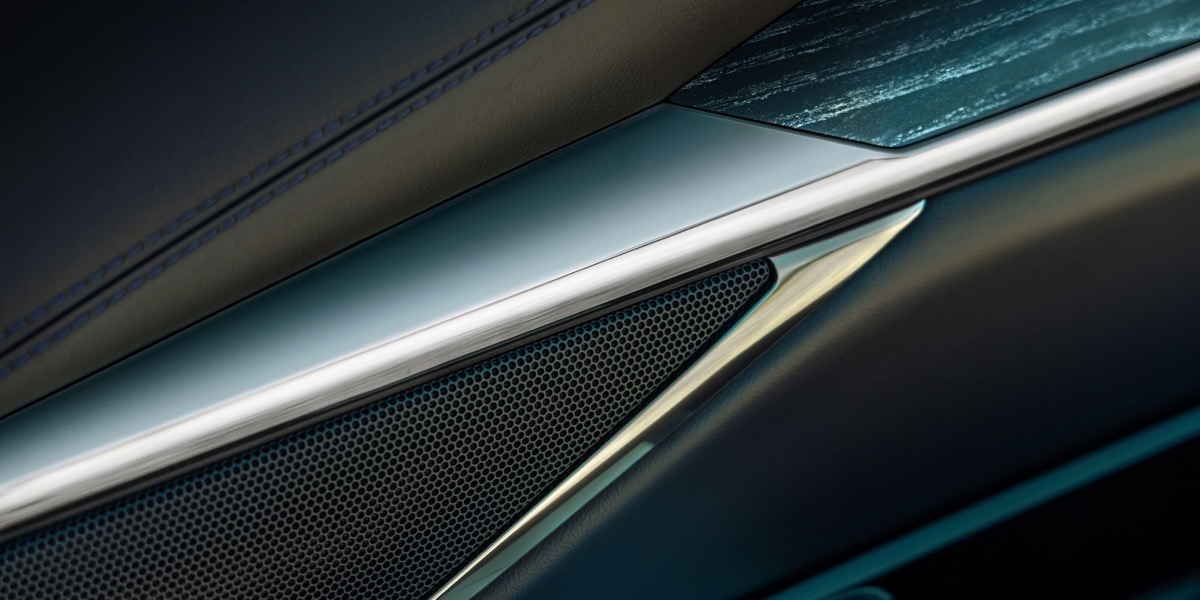
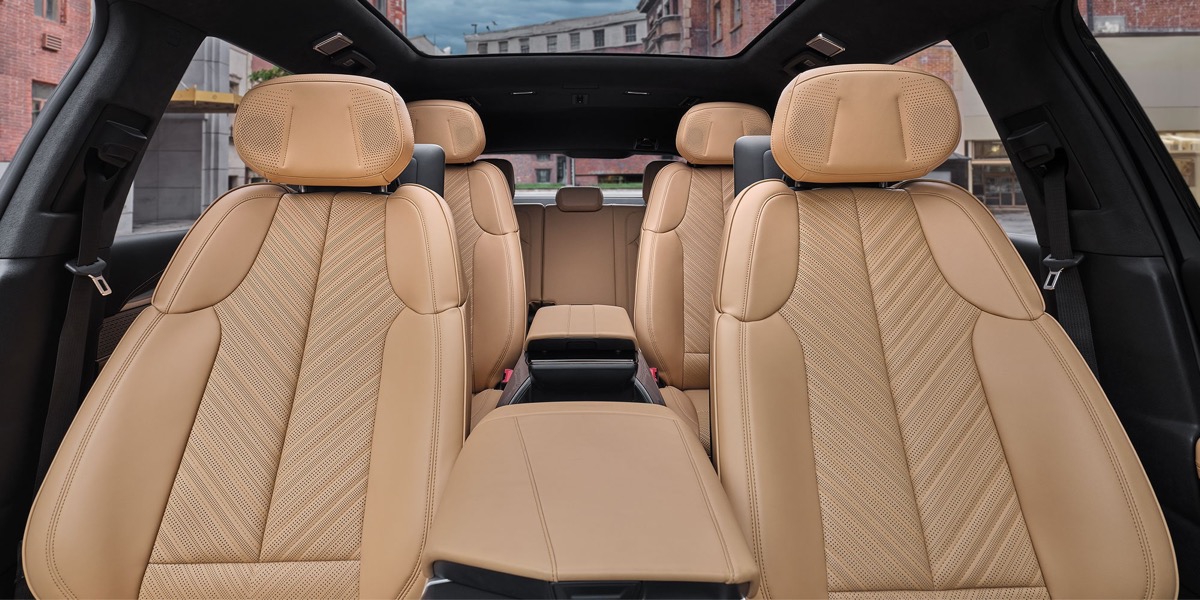
The materials, seating position, seats, acoustic comfort and overall sense of space work exactly as one expects from an Escalade. This is not a minimalist electric capsule. It is a large, expensive lounge in which technology is supposed to serve comfort, not replace it.
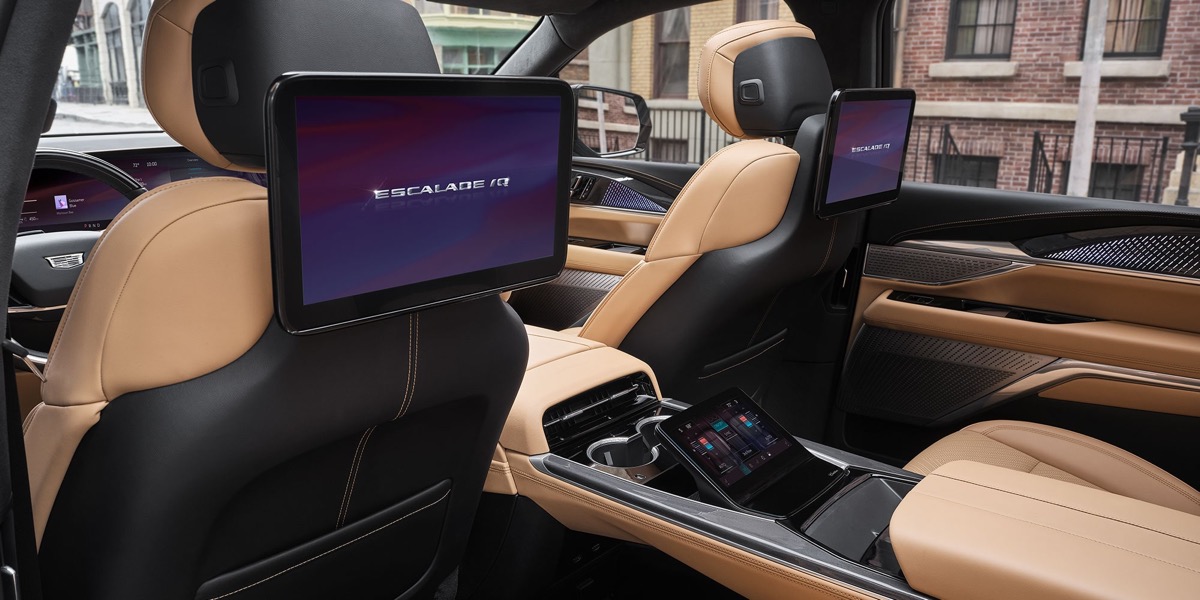
GM’s software is getting better, but the decision to remove Apple CarPlay and Android Auto from its new EVs remains controversial. The built-in system is more stable and more capable than before, Google built-in handles many basic tasks and the number of apps continues to grow. But for many drivers, the absence of familiar phone mirroring will still be irritating. Passengers, meanwhile, get a rich entertainment environment, including streaming services, while the passenger display can be dimmed from the driver’s view to reduce distraction.
On the highway, Super Cruise matters. It remains one of the strongest hands-free driver assistance systems on the market. It is not full self-driving and it is not a promise that the vehicle will take you anywhere by itself. But as an assistance system on compatible roads, it fits the Escalade IQ’s character beautifully: it reduces fatigue, makes long trips calmer and reinforces the impression of a technological flagship.
2026 Cadillac Escalade IQ: the verdict
Yes, it is expensive. But the Escalade has never been a rational purchase in the strict sense. It is a symbol, a statement, a vehicle bought not only for transporting people, but also for expressing status, taste and a particular attitude toward life.
That is exactly why the electric version feels so logical. The battery makes the Escalade quieter, more powerful, smoother, more technological and longer-range. It removes the roughness of a large internal-combustion engine and preserves what has always mattered most in an Escalade: scale, comfort, confidence and a sense of authority.
Of course, the Escalade IQ does not answer every question about electric mobility. It is too large, too heavy and too resource-intensive to serve as a perfect environmental argument. It shows another side of the EV revolution: electricity can be about not only modesty and efficiency, but also luxury, power and excess.
In the long run, the auto industry will need smarter solutions than endlessly increasing battery size. Lighter platforms, better efficiency, denser batteries and infrastructure capable of supporting such vehicles without unnecessary strain will all matter. But right now, the Escalade IQ proves something important: some vehicles do not lose themselves in electric form. They finally become what they always wanted to be.
The Cadillac Escalade IQ is not the most modest EV, not the most rational and not the most environmentally flawless. But as an electric expression of American luxury, it lands exactly where it should. If the Escalade is a vehicle about power, space and status, the Escalade IQ makes all of that quieter, faster and more modern. In that sense, the electric Escalade does not feel like a compromise. It feels like the best version of itself.