
How can a tourist not become a criminal in a foreign country
Non-obvious laws
Almost every country has its own specific bans and rules of behaviour shaped by culture, religion, public order, safety or environmental protection. Not knowing these rules rarely works as a convincing excuse with the police. A tourist can be fined not only for an obvious violation of the law, but also for something that may seem harmless at home: leaving a towel on a beach, photographing the wrong building, walking through town in a swimsuit or feeding fish in a protected area.
Before any trip, it is worth studying not only visa requirements and weather, but also local laws, customs regulations, rules of public behaviour, dress codes, photography restrictions and environmental bans. Below is a guide to rules in popular destinations that may help you avoid fines, uncomfortable conversations with police and a spoiled vacation.
Southeast Asia
Southeast Asia is a region where tourists need to be especially attentive to laws and traditions. Many countries here have extremely strict drug policies, and large fines or prison sentences may also apply for violating religious, ethical or environmental rules. The main rule is simple: do not argue with local culture and do not try to test the limits of what is allowed.
Singapore
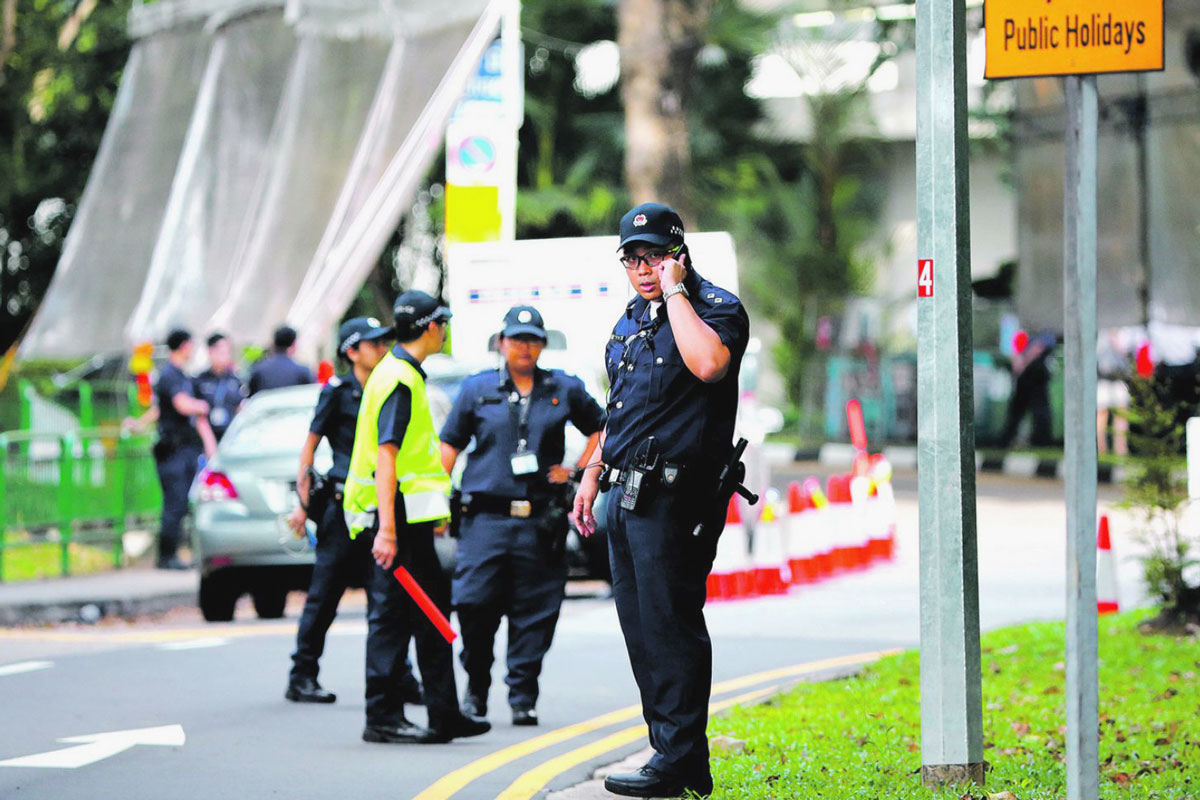
Singapore is often called the “Fine City” — and there is a play on words in that phrase, because fine means both beautiful and penalty. The country is indeed known for strict rules, cleanliness, order and the high price of everyday carelessness.
1. Chewing gum is strictly restricted in Singapore. The sale and import of ordinary chewing gum are prohibited, with limited exceptions for certain medical and therapeutic products. Tourists should avoid bringing packs of gum with them and certainly should not try to sell it or discard it carelessly.
2. Littering is prohibited. A cigarette butt, wrapper, can or bottle thrown on the street can lead to a fine. For repeat or more serious offences, a court may impose a Corrective Work Order — community service involving cleaning public areas.
3. Public toilets must be flushed after use. Fines can also apply for failing to do so. In Singapore, this is not a joke, but part of the broader culture of cleanliness and public order.
4. Smoking is prohibited in many public places: inside buildings, at bus stops, near entrances to public buildings, on playgrounds, in certain parks and in other designated areas. Smoke only where it is clearly allowed.
5. Crossing the road in the wrong place can also result in a fine. Jaywalking in Singapore is not treated as a harmless habit, but as a public-safety violation.
6. Graffiti, damaging property, stickers, inscriptions and any actions that may be classified as vandalism are prohibited. Penalties for vandalism in Singapore can be very serious.
7. The most dangerous violation involves drugs. Singapore has one of the strictest anti-drug legal systems in the world. Do not import, possess or use prohibited substances. Before travelling, carefully check any medication: some drugs that are freely available or prescribed in one country may require permission or be prohibited in Singapore.
Thailand
Thailand may look relaxed and tourist-friendly, but behind this easy image are strict cultural and legal norms.
1. Drinking alcohol is prohibited in certain public places, including temples, schools, government buildings, parks, petrol stations and specific areas under local rules. Alcohol sales are also restricted by time of day.
2. Do not litter. Discarded chewing gum, cigarette butts or rubbish can result in fines, especially in large cities and tourist areas.
3. Do not tear, damage or step on Thai banknotes or coins. They carry the image of the king, and Thailand’s lèse-majesté laws are very strict. Even an accidental gesture with your foot can be perceived as serious disrespect.
4. Exporting Buddha images, antiques and religious objects may require special permission. If you buy figurines or old items, check export rules in advance.
5. Thailand has strict drug laws. Even after changes in cannabis regulation, tourists should not treat the country as a place where anything is allowed. Rules change, and penalties for prohibited substances remain serious. Medication containing controlled ingredients should be checked before travel.
6. Gambling is mostly prohibited in Thailand, except for limited official forms. Do not gamble for money in informal settings.
7. In national parks and marine reserves, do not feed fish, touch coral, remove natural objects, violate protected-area rules or disturb wildlife. Such violations can lead to large fines and sometimes more serious measures.
Malaysia
Malaysia is a multiethnic country with a Muslim majority, where tourists should respect local norms of modesty, religion and public behaviour.
1. Nudism and public exposure are prohibited. Taking nude photographs in nature or near sacred sites may be treated as offensive and can lead to a fine, arrest or deportation.
2. Do not engage in aggressive religious promotion, provoke religious disputes or behave disrespectfully in mosques, temples or other sacred places. Follow dress codes and visiting rules at religious sites.
3. Public drinking and drunken behaviour can cause problems, especially in conservative areas. Drug laws are extremely strict, and penalties for trafficking can be severe.
4. Do not try to export seeds, rare plants, coral, insects, animals or natural specimens without permission. Biological and conservation rules in the region can be very strict.
The Middle East, Western Asia and North Africa
In this region, tourists should pay particular attention to religious norms, modest dress, alcohol rules, photography, public behaviour and communication between men and women. Some countries, such as Turkey and Tunisia, are more secular and familiar to tourists, but that does not mean you should behave exactly as you would at home. Even where there is no fine, disrespect toward local culture can quickly create problems.
United Arab Emirates
The United Arab Emirates is a modern, wealthy and highly tourist-oriented country, but its laws and behavioural norms remain strict. Particular care is needed in Dubai and Abu Dhabi.
1. Alcohol is permitted only in licensed places and within local rules. Being drunk in public, drinking in the street or behaving aggressively after alcohol can lead to a fine, detention or court proceedings.
2. When taking photographs in public, make sure strangers do not appear in the frame without consent, especially women and families. Publishing such images may be treated as a violation of privacy laws.
3. Do not photograph government buildings, military sites, airports, ports, bridges, palaces, police officers or security personnel. Even if a site seems ordinary, police may interpret photography as a security violation.
4. If you see an item someone has left behind, do not take it or “hold it for later.” Inform staff or the police. Otherwise, the situation may be treated as theft.
5. Littering is prohibited. Fines apply, and enforcement can be strict in some areas.
6. Dress codes depend on the place. Swimwear is acceptable at the beach and pool, but in malls, government buildings, old districts, mosques and public areas, more modest clothing is safer. Very revealing clothing can lead to warnings or problems.
7. Public displays of passion — kissing, excessive hugging or intimate behaviour — may be treated as a violation of public morals. Standards are more relaxed in tourist areas, but it is not worth testing the limits.
8. Do not engage in religious preaching, aggressive criticism of religion or attempts to convert people. This can lead to serious consequences.
Tunisia
Tunisia is a more secular Muslim country and popular with tourists, but respect for local rules remains essential.
1. Do not export historical objects, archaeological fragments or antiques without permission. Be careful when buying “antique” items in markets.
2. Do not photograph military, police or government facilities. Even accidental photography can raise questions from police.
3. In religious places and conservative areas, choose more modest clothing and avoid demonstrative behaviour.
Turkey
Turkey is a secular country with Muslim culture and strong national symbols. Tourists generally feel comfortable here, but there are rules worth remembering.
1. Some regions and municipalities may restrict drinking alcohol in public places. Outside hotels, bars and restaurants, it is better not to drink in the street.
2. Photographing military and government facilities is prohibited, including police and army checkpoints on roads.
3. Tourists are advised to carry a passport or photo ID, as well as a copy of the entry-stamp page or accommodation details.
4. Insulting the Turkish flag, the state, Atatürk or national symbols can lead to serious legal consequences. Do not joke about these topics publicly or on social media while travelling.
Europe
European laws usually feel more familiar to tourists from Canada and North America, but that does not mean there are no unexpected restrictions. Many cities suffering from overtourism introduce their own rules against littering, noise, swimwear in town, picnics on monuments, reserving beach space and disrespectful behaviour. The myth that “everything forbidden is legal” in the Netherlands is also far from reality.
Italy
Italian national laws are generally understandable, but individual cities and regions impose their own restrictions on tourists. In Rome, Florence, Venice, Sardinia, Tuscany and other popular places, visitors can be fined for bathing in fountains, eating on monument steps, walking through town in swimwear, removing sand from beaches or trying to reserve a spot in advance with a towel and umbrella.
On some beaches, authorities fine people for leaving unattended towels, loungers and umbrellas in an attempt to claim space ahead of time. In Sardinia and other regions, officials are especially strict about tourists taking sand, stones and shells. Italy is patient with beauty, but increasingly impatient with tourist chaos.
Spain
In Spain, many restrictions are set at the municipal level, especially in resort cities and on islands.
1. In a number of cities, walking through the streets in a swimsuit, swim trunks or bare-chested away from the beach is prohibited. Violations may result in fines.
2. In Mallorca and other popular destinations, rules target antisocial tourism: noise, drunkenness, aggressive behaviour, balcony jumping, drinking alcohol in prohibited places and damage to public property.
3. Misusing beach showers, littering, leaving belongings unattended, illegal street vending and violating beach rules can all lead to fines.
4. In some cities, unsafe road behaviour can also be fined, including crossing in the wrong place or ignoring traffic lights. Being a tourist does not exempt anyone from traffic rules.
The Netherlands
The Netherlands is often imagined as a country of absolute freedom, but this is a myth. Rules exist, and they can be strict, especially in Amsterdam, where the authorities have been trying for years to reduce noisy and aggressive tourism.
1. Cannabis in the Netherlands is not fully legal in the ordinary sense. A tolerance policy applies: licensed coffeeshops may sell small quantities to adult visitors, but possession of larger amounts, sale outside coffeeshops, use in prohibited areas and public disorder can lead to problems. In certain parts of Amsterdam, smoking cannabis on the street is prohibited and fined.
2. Smoking tobacco is prohibited in many enclosed public spaces, including restaurants, bars, cafés, transport and workplaces. Drinking alcohol in the street is also restricted in certain areas.
3. Do not photograph workers in the Red Light District. This is considered a serious violation of privacy and can lead to conflict, fines or police involvement.
Before any trip, study your destination: national laws, local rules, customs restrictions, traffic regulations, dress codes and behaviour rules for beaches, temples, museums and public spaces. This is not a boring formality, but part of normal travel. The better you understand the country, the less likely you are to spoil your vacation with a fine, a conflict or a visit to a police station.
Safe and happy travels!